Crucial Climate Science Faces Unprecedented Hold-Up

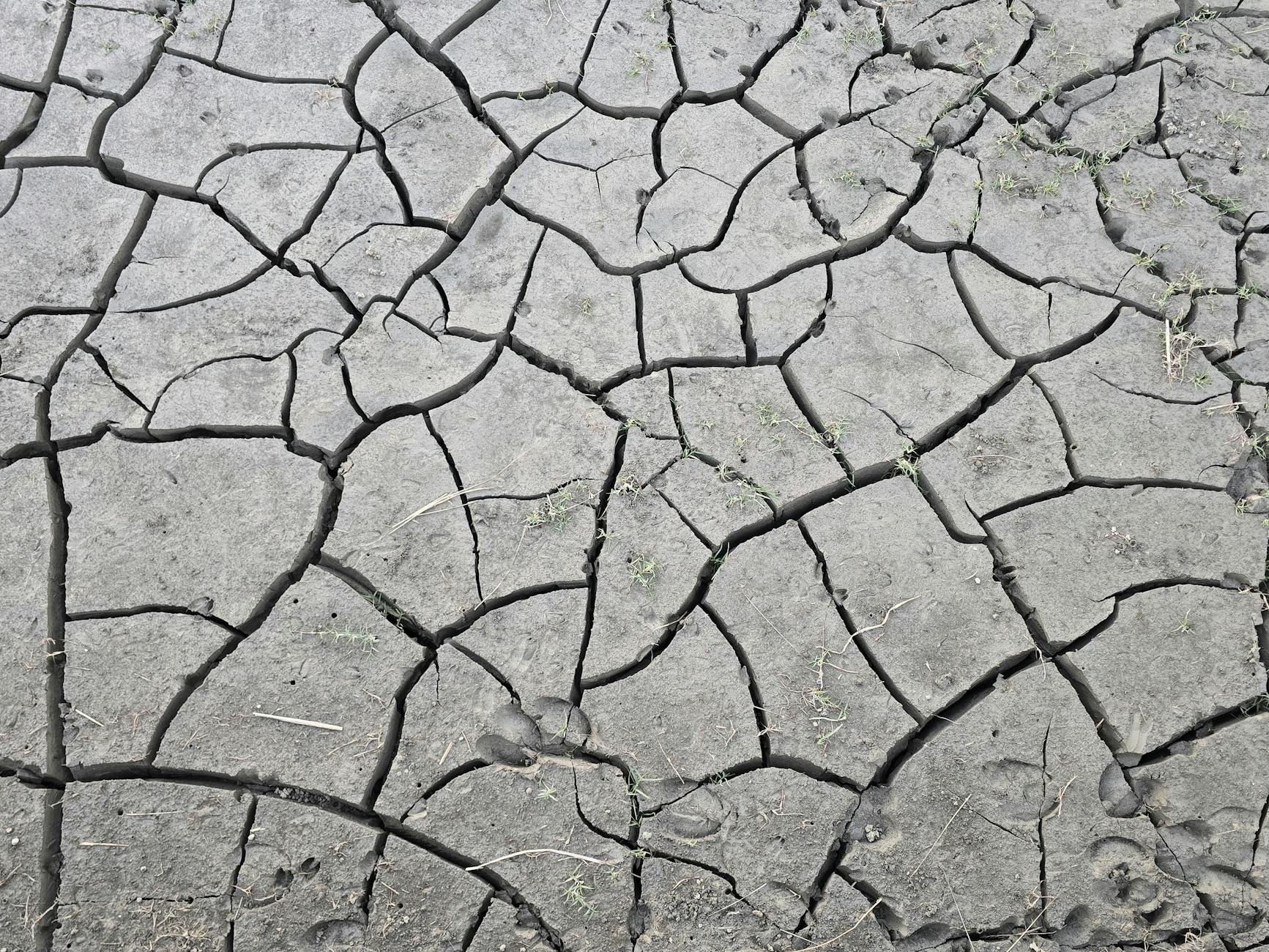
The global fight against climate change is facing a complex moment, marked by both promising advancements and significant setbacks. While regions like the US Northeast and Portugal are strengthening carbon markets and investing in nature-based solutions, the global scientific body on climate, the IPCC, faces a critical deadlock. Simultaneously, several European nations are questioning climate regulations for economic reasons. This creates a challenging landscape where urgent environmental action is both needed and contested, highlighting the ongoing tension between climate goals and national interests.
On the positive side, efforts to manage carbon emissions are gaining traction in several areas. States in the US Northeast are tightening rules for the Regional Greenhouse Gas Initiative (RGGI), aiming for greater environmental integrity by eliminating offsets and setting stronger emissions caps by 2037. This move helps reduce harmful pollutants and underscores the benefits of market-based solutions for cleaner air and a healthier planet. Similarly, Portugal is expanding its voluntary carbon market with new forestry methods, attracting private investment into projects that naturally remove carbon from the atmosphere, strengthening its forests and climate resilience.
However, the path forward is not without significant hurdles. The Intergovernmental Panel on Climate Change (IPCC), the UN's leading scientific body on climate, recently suspended a crucial plenary session due to an unprecedented deadlock among its members. This dispute threatens to delay key reports on climate impacts and mitigation, potentially undermining the scientific foundation for major global assessments like the 2028 Global Stocktake under the Paris Agreement. Such delays can jeopardize our collective ability to make informed decisions about protecting our planet, making the urgency of global warming harder to address with clear, consensus-driven science.
Adding to the complexities, several European nations are expressing concerns about the economic impact of climate policies. Countries like Italy, Germany, and Belgium are advocating for an “emergency brake” on new EU climate legislation, citing industrial competitiveness. Meanwhile, Switzerland recently rejected a national fund dedicated to financing climate transition, with voters concerned about additional costs and competing national priorities. This resistance risks slowing down vital environmental action in a crucial region, emphasizing the delicate balance between economic growth and necessary climate measures.
Despite these challenges, other initiatives continue to advance. The European Commission is seeking public input on its Emissions Trading System (ETS) review, and a new report shows carbon credit buyers are increasingly prioritizing high-integrity projects. Furthermore, carbon dioxide removal (CDR) strategies are gaining global momentum, with new policies and incentives emerging to accelerate decarbonization efforts worldwide. These diverse approaches highlight the ongoing global commitment to find sustainable solutions and protect our environment.