Crucial Whale Protections Delayed: What Happens Next?

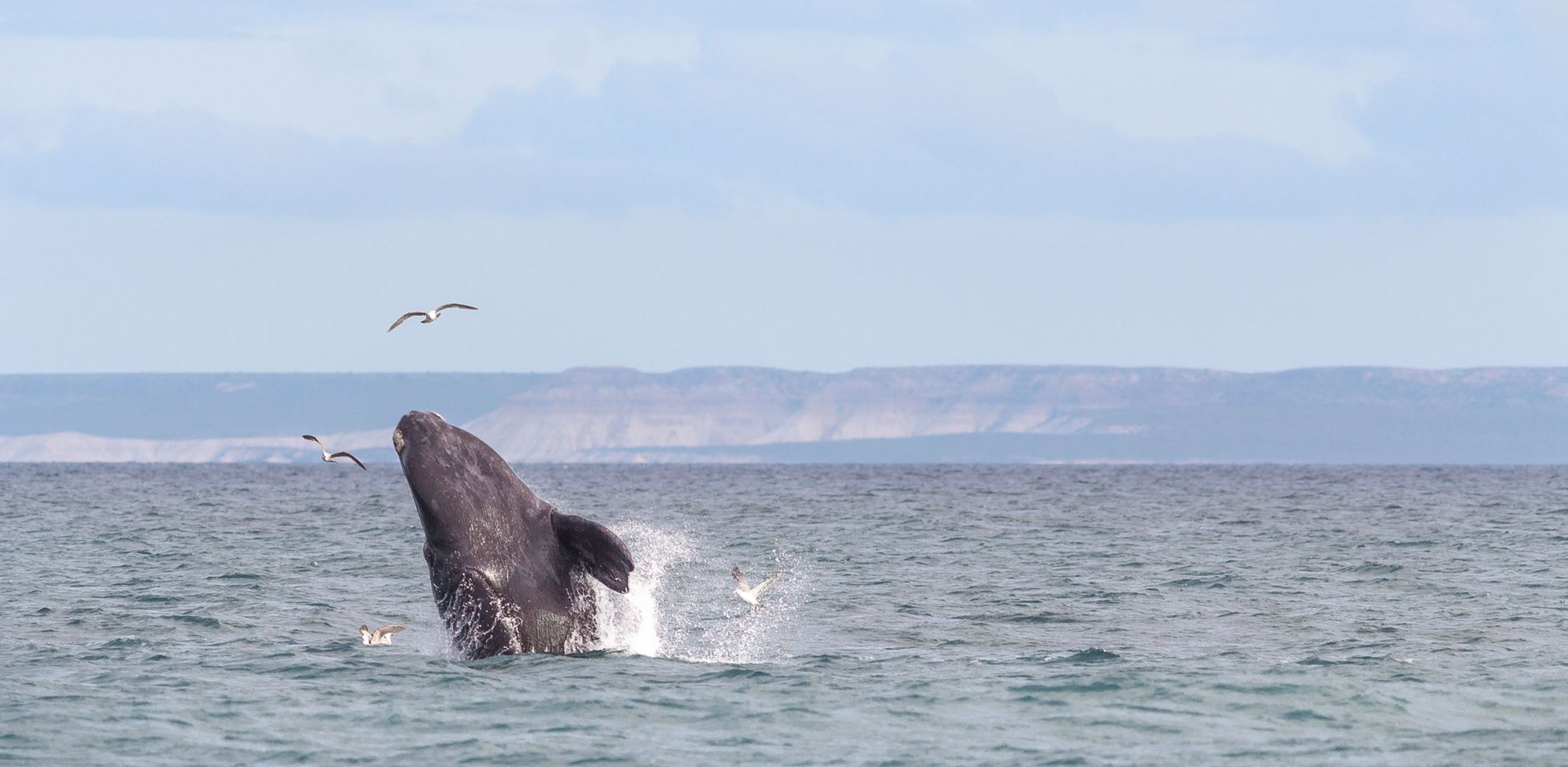
North Atlantic right whales, with only about 380 remaining, face a critical threat as new U.S. protections are slated for a nearly decade-long delay. Federal lawmakers recently voted to extend a moratorium on protective rules until 2035, drawing strong opposition from environmental groups. Conservationists warn this pause could accelerate the extinction of these majestic creatures, already struggling with entanglement in fishing gear, ship strikes, and the impacts of a warming ocean. This decision highlights a tense standoff between conservation efforts and the concerns of the fishing industry.
The proposed delay, supported by some members of Congress and the Trump administration, extends an existing moratorium until 2035. This move comes despite warnings that the right whale population has drastically shrunk, dropping by about 25% between 2010 and 2020. Environmental advocates, like Oceana's Gib Brogan, emphasize that these whales urgently needed more robust protections years ago, not further delays. They argue that postponing action allows preventable deaths to continue, pushing the species closer to the brink.
On the other side, fishing and lobster industries in states like Maine and Massachusetts advocate for the delay. They argue that current conservation measures are already comprehensive and that additional rules could jeopardize their livelihoods. Representative Jared Golden, who introduced the bill to extend the moratorium, stated that the pause is also meant to gather more data, echoing the sentiment that "Mainers are not asking for much. We just need more time." Industry representatives maintain that existing frameworks for whale protection remain fully in place.
However, scientists highlight that besides dangers from fishing gear and boat collisions, these whales are also greatly impacted by ocean warming, a direct consequence of human-caused climate change. This environmental shift affects their food sources and habitats, adding another layer of urgency to their plight. While industries seek more time to study the issue, conservationists stress that for a species with so few individuals left, every year of delay is a step closer to irreversible loss. Protecting these iconic marine animals is not just about their survival; it reflects our broader commitment to a healthy ocean and a stable climate for all life.