Crumbling Pier Reveals California's Urgent Coastal Dilemma

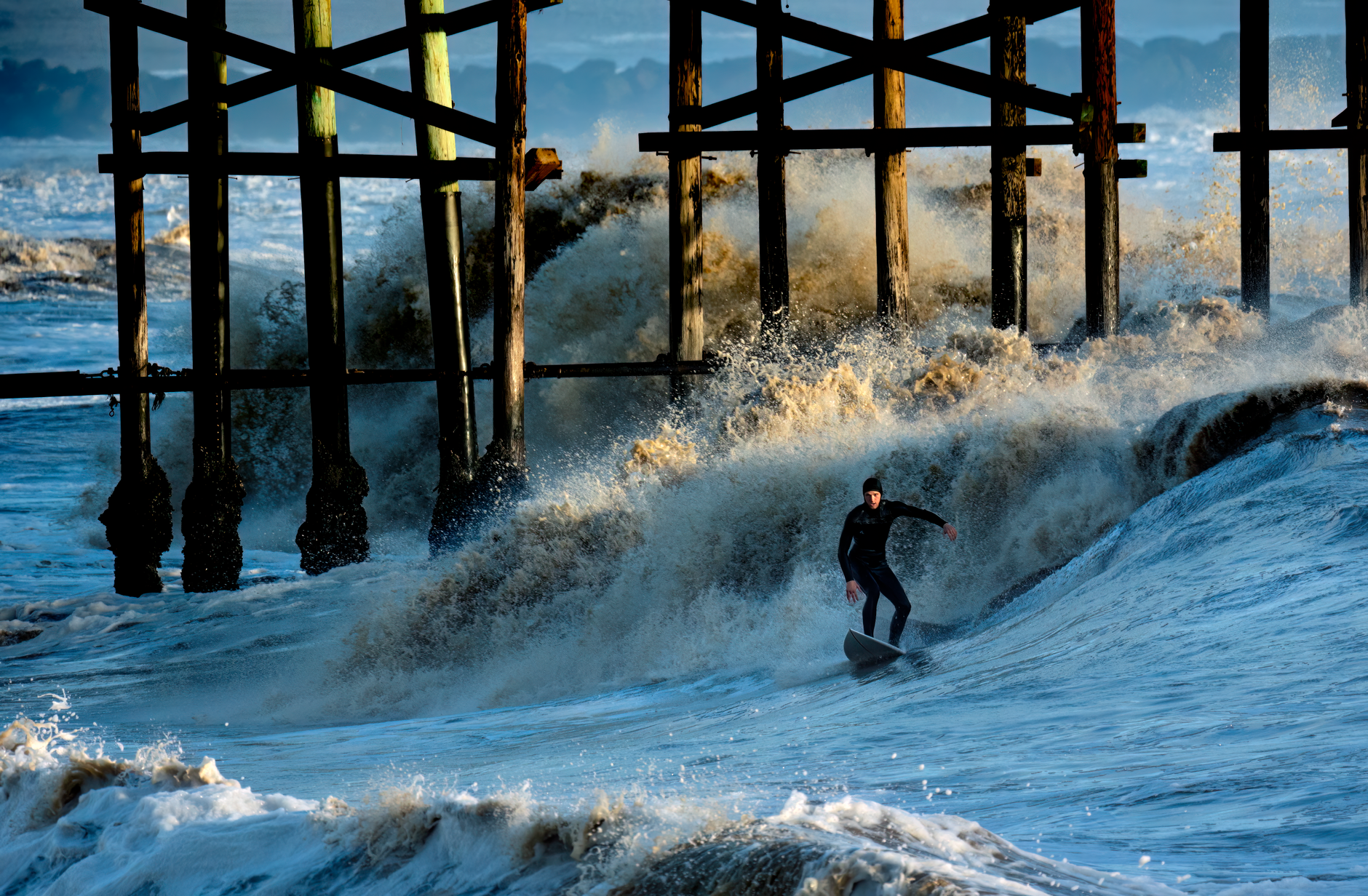
As a historic El Niño event fuels record sea levels and powerful storms, California's coastlines are under immense strain. The closure of Pacifica Municipal Pier, deemed unsafe due to decades of relentless waves, spotlights a critical challenge. This incident has prompted urgent calls for state and federal funding to bolster coastal resilience. The situation underscores the accelerating climate crisis and forces communities to confront difficult decisions about protecting vital infrastructure against an increasingly powerful ocean.
The Pacifica Municipal Pier has become the latest casualty of California's supercharged El Niño, now shut down after intense waves caused significant cracking. This crumbling structure has ignited a fresh debate over how best to protect our vulnerable coastlines from the relentless impacts of rising seas and extreme weather.
Local politicians are urgently asking for help. U.S. Rep. Sam Liccardo (D-San José) has called for the reinstatement of $50 million in federal climate resilience funding, previously halted, and additional funds from NOAA to protect infrastructure like the pier and coastal bluffs. State Sen. Josh Becker (D-Menlo Park) echoed this, urging Governor Gavin Newsom to declare a state of emergency for the region, stressing that we cannot wait for infrastructure to fail before investing in its protection.
This crisis brings to light tough questions about what can be saved and what might need to be abandoned. Experts like Chad Nelson of the Surfrider Foundation point out that while public piers offer vital access and recreation for many, they are also repeatedly damaged, costing taxpayers millions in repairs. Similar damage has already hit other California piers, requiring millions of dollars in fixes. The ongoing cycle of destruction and repair leads to a larger question: are we effectively subsidizing unsustainable solutions that won't last?
Charles Lester, director of the Ocean and Coastal Policy Center at UC Santa Barbara, warns that things are only going to get worse. El Niños bring larger waves, higher sea levels, and intense storms, all expected to intensify as our planet warms. This leads to increased coastal erosion and poses a severe threat to homes, roads, and other essential infrastructure. Past El Niño events have already shown devastating consequences, including fatalities and widespread property damage.
Evidence of this escalating challenge is clear across the state. San Francisco is experiencing its highest summer water levels ever, with landmarks like Pier 14 submerged. High surf has led to tragic deaths and numerous rescues along the coast. Pacifica Mayor Christine Boles emphasizes that despite years of planning for climate change, the pace of the crisis is now outstripping these efforts, making financial and regulatory support from higher levels of government absolutely critical to avoid losing this battle against nature.