Cut Gas Bills: The Hybrid Secrets Most Drivers Miss

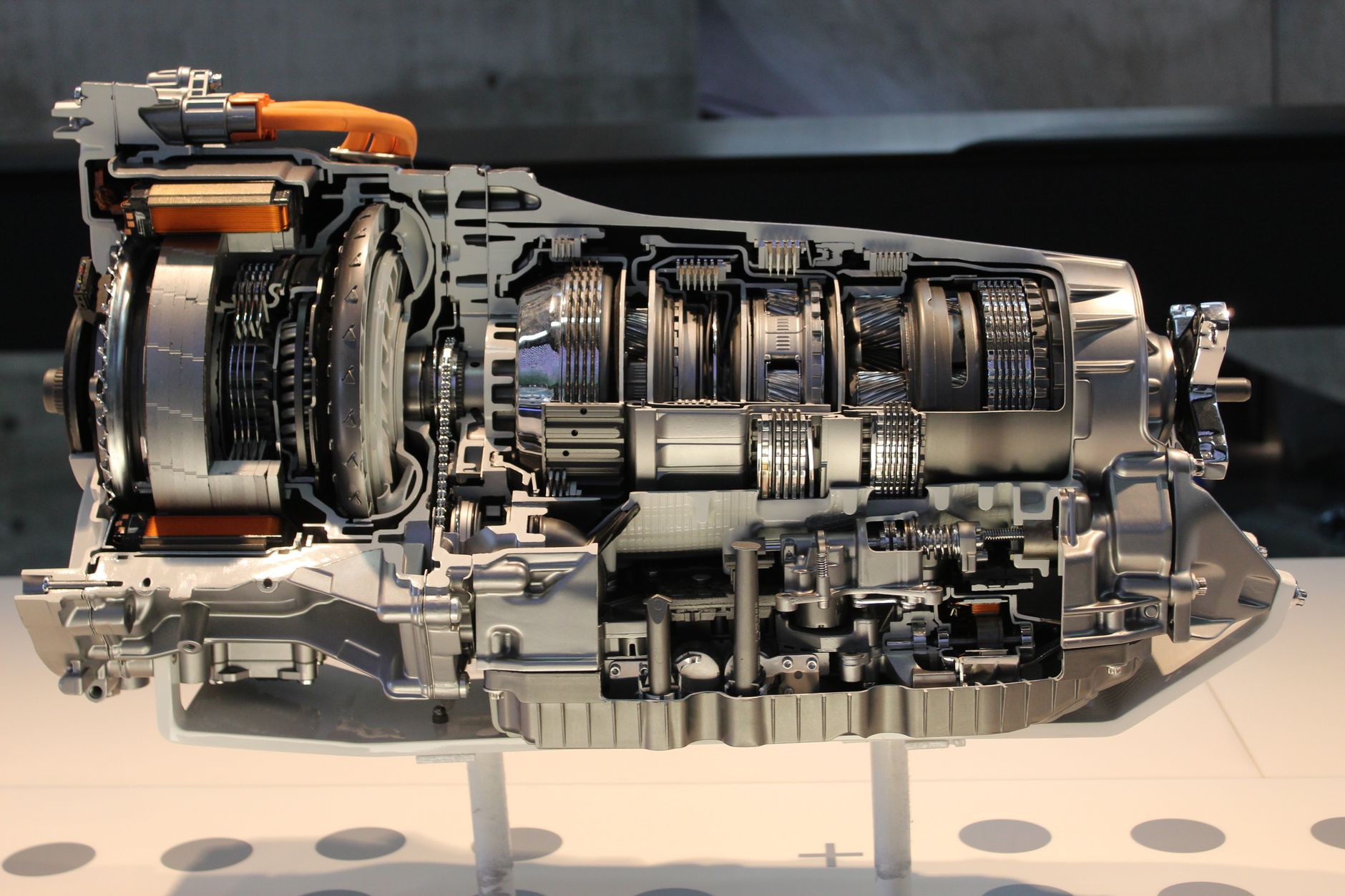
With gas prices fluctuating, hybrid cars are gaining traction as a smart choice for drivers looking to cut fuel costs and reduce their environmental footprint. These vehicles cleverly combine a traditional engine with electric power, offering a significant step towards more sustainable transportation. However, not all hybrids are alike, with a variety of systems designed for different driving needs and efficiency goals. Understanding these types can help you make a greener choice and embrace cleaner technology.
Hybrid vehicles merge a traditional gasoline engine with one or more electric motors, powered by a special high-voltage battery. This combination significantly cuts down on fuel use compared to gas-only cars, making them a popular choice for drivers looking to save money and reduce their carbon footprint. While the electric motor usually can't drive the car completely on its own in many traditional hybrids, it provides crucial assistance, especially during acceleration and at lower speeds.
One of the simpler types is the **mild hybrid**. These vehicles use a more powerful starter-generator and a small 48-volt battery to offer a modest boost in efficiency. They can recover energy when you slow down and help the engine turn off and on smoothly at stops, like in the Ram 1500 or Mercedes C-Class. While not driving purely on electric power, they are a first step toward greener driving.
**Parallel hybrids** allow both the gasoline engine and electric motor to power the wheels, either together or separately. A small electric motor sits between the engine and transmission, providing power from a compact high-voltage battery. Many popular models, such as the Hyundai Tucson Hybrid and Kia Sportage Hybrid, use this system, offering notable fuel savings by intelligently blending power.
Even more efficient are **power-split hybrids**, famously used in many Toyota models. These systems use a clever planetary gearset to constantly optimize power delivery from both the engine and electric motor, often resulting in superior fuel economy. They can also operate in a 'series mode' where the gas engine primarily acts as a generator, highlighting the benefits of electric drive.
For those wanting more electric-only driving, **plug-in hybrids (PHEVs)** are an excellent bridge to full electrification. They feature a larger battery that can be charged from an external source, allowing for significant electric-only range before the gas engine kicks in. Models like the Toyota RAV4 PHEV can run on electricity for many daily commutes, drastically reducing gasoline consumption and local emissions. Regular charging maximizes these environmental benefits.
The **extended-range EV (EREV)**, also known as a series hybrid, takes electrification a step further. In these vehicles, the gas engine never directly powers the wheels; its sole job is to generate electricity for a larger battery and powerful electric motors. This offers a true EV driving experience with the backup of a gas generator for longer trips, effectively eliminating range anxiety while still moving towards cleaner energy. Upcoming models like the Scout Terra and the next-generation Ford F-150 Lightning are embracing this technology.
Ultimately, every type of hybrid offers a path to lower fuel consumption and reduced emissions, playing a vital role in our transition to a cleaner energy future. While hybrids are a fantastic step, fully electric vehicles (EVs) remain the ultimate solution for environmental benefits and long-term savings, completely eliminating tailpipe emissions. Taking action now, whether through a hybrid or an EV, contributes to a healthier planet.