Cybercab's Next Stop? Musk Eyes Europe [Robotaxi Expansion]

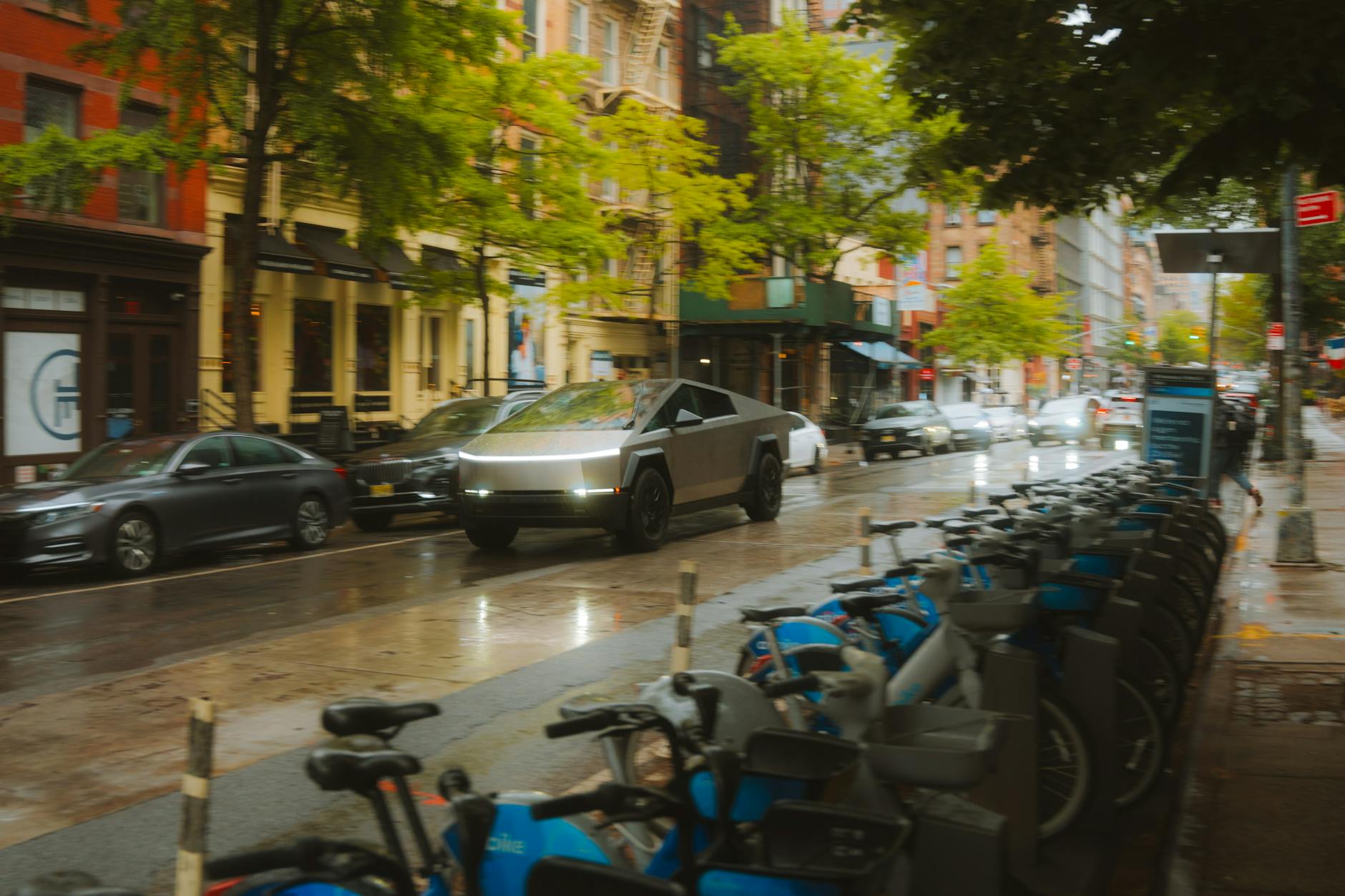
Tesla's innovative Cybercab, a fully driverless vehicle without a steering wheel or pedals, recently launched its ride-hailing service in Austin, Texas. This groundbreaking electric taxi aims to revolutionize urban transport by offering a quiet and smooth experience. CEO Elon Musk has now hinted at Europe being the next major market for the Cybercab, signaling a global expansion for this sustainable transportation solution. However, bringing this cutting-edge electrification technology across the Atlantic will require navigating complex European regulations.
The Tesla Cybercab, a two-seat electric vehicle, is already making waves in Austin, Texas, where it operates as part of the Robotaxi ride-hailing service. Passengers have praised its quiet, smooth rides, noting its sleek design compared to other driverless options. This unique vehicle, completely powered by Tesla's Full Self-Driving software, represents a significant leap towards greener, more efficient urban mobility, reducing the need for individual car ownership and lowering emissions.
Following its initial success, Elon Musk recently shared his hope that the Cybercab would arrive in Europe "soon," responding to a German rider's positive experience in Austin. This move would greatly expand Tesla's vision for autonomous, electric transportation beyond the United States, offering a cleaner alternative to traditional taxis and private vehicles.
However, the path to European streets is not straightforward. Unlike in the U.S., European Union regulations are stringent, requiring extensive type-approval processes for new vehicles. Unsupervised robotaxi operations, in particular, face a separate and more challenging regulatory hurdle. Musk himself has acknowledged that the pace of deployment will largely depend on European governments and the EU rather than just technological readiness.
Bringing the Cybercab to Europe would be a monumental step towards a sustainable future, offering zero-emission rides and potentially transforming how millions move within cities. It underscores the global push for electrification and the urgent need to adopt cleaner, smarter transportation solutions to combat climate change. While the engineering is largely in place, the regulatory framework remains the key to unlocking this transformative technology for European citizens.