Cybertruck Aces U.S. Safety Test; Why Is It Banned Elsewhere?

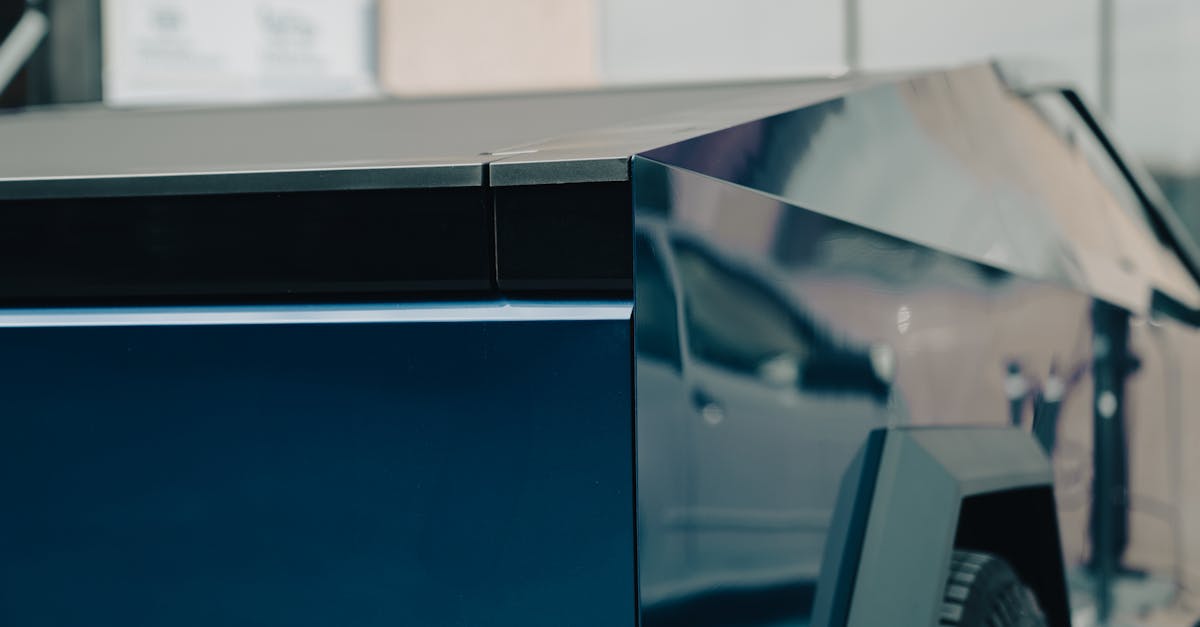
The Tesla Cybertruck has achieved a significant milestone, earning the Insurance Institute for Highway Safety (IIHS) Top Safety Pick+ award. This makes it the only full-size pickup to receive this highest honor in recent evaluations. The award applies to Cybertrucks built after April 2025, following key structural enhancements. While celebrated for its advanced safety in the U.S., the same vehicle faces unique regulatory challenges and remains banned from roads in the UK and much of Europe due to its design.
The Cybertruck earned top “Good” ratings across several crucial crash tests, including those for small and moderate front overlaps, and updated side impacts. It also performed exceptionally well in pedestrian avoidance, successfully preventing collisions in various daytime and nighttime scenarios. This places it ahead of competitors like the Toyota Tundra, Ford F-150, and Ram 1500, which did not qualify for the same high distinction.
Ironically, the very design features that contribute to its robust performance in U.S. safety tests have led to its prohibition in Europe. Regulators there point to the Cybertruck’s sharp external edges and highly rigid stainless-steel construction as failing their pedestrian-protection standards. European and UK rules prioritize rounded surfaces to minimize injury risk for vulnerable road users in a collision, which the Cybertruck’s unique design does not meet.
Tesla's engineering strategy for the Cybertruck focuses on an ultra-hard stainless-steel exoskeleton, creating an exceptionally strong safety cage designed to resist deformation. This, combined with integrated load paths that direct crash forces away from occupants and an advanced active safety system for collision avoidance, delivers impressive protection. The IIHS recognition highlights how these innovative materials and intelligent systems can achieve top-tier safety, even as global regulatory viewpoints on vehicle design and pedestrian interaction continue to differ.