D.C.'s Hidden Flood Risk: Why Old Maps Missed Key Dangers

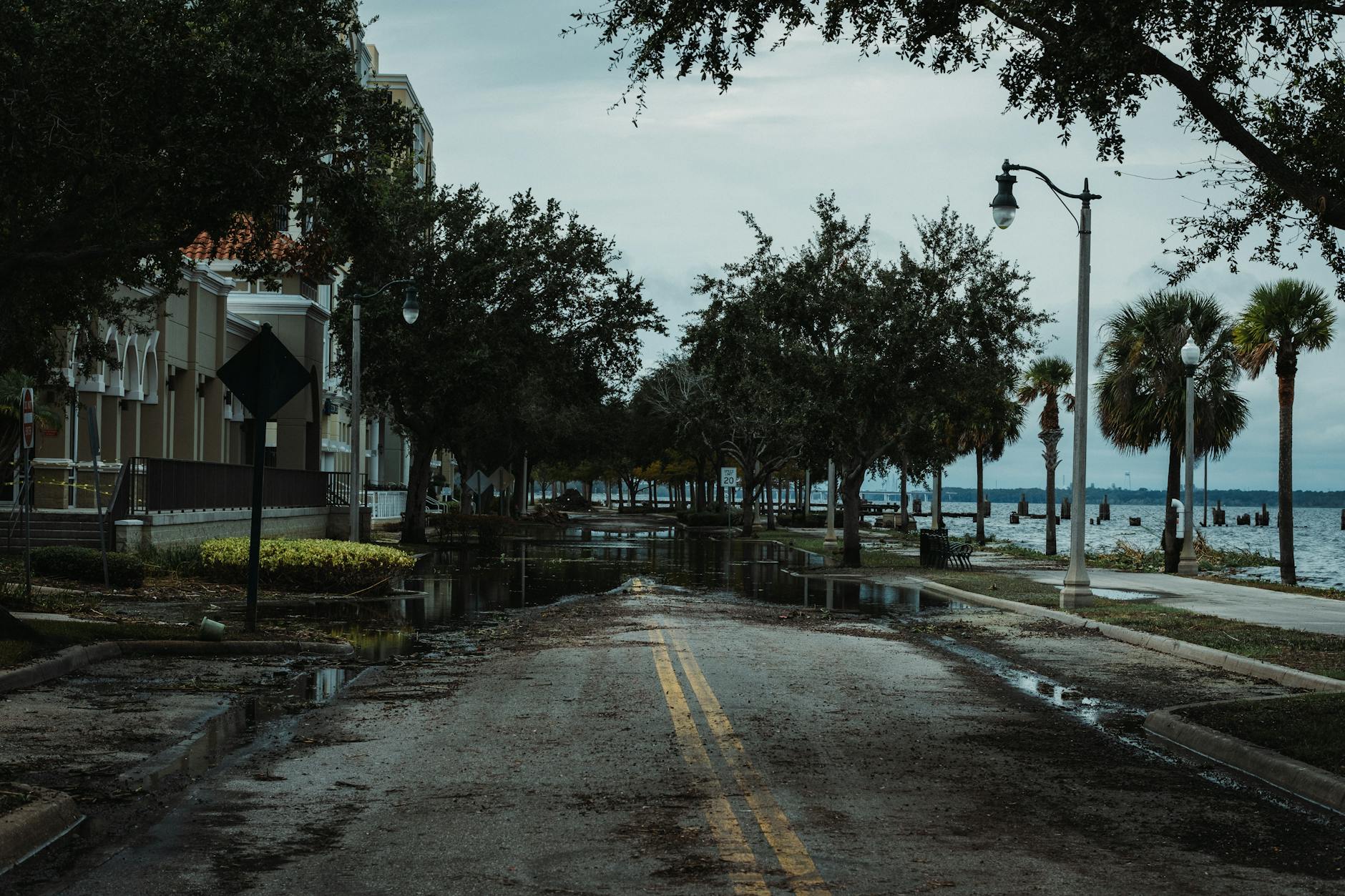
A new study reveals that Washington, D.C.'s flood risk is far greater than previously understood. Earlier flood maps, mainly focusing on areas near rivers, missed a significant danger: heavy rainfall overwhelming storm drains across the region. This updated analysis by the National Capital Region Transportation Planning Board (TPB) highlights critical vulnerabilities in D.C.'s transportation network. Crucially, the findings also show how climate change will accelerate these risks, making proactive planning essential to protect communities and infrastructure from intensifying extreme weather events.
For years, city planners relied on traditional flood plain maps, like those from FEMA, which primarily identified flood risks close to natural bodies of water. However, these maps didn't account for the widespread flooding caused by intense rainstorms, which can overflow storm drains and flood streets far from any river or stream. This oversight left many areas, which locals knew flooded regularly, appearing safe on official maps.
To address this gap, the TPB conducted a second study that incorporated how heavy rain contributes to flooding. The results were striking: the new analysis found 25% more roads and highways, 7% more bus stops, 13% more rail stops, and 25% more rail line miles now at risk of flooding. This expanded understanding underscores the urgent need for action.
The analysis also clearly illustrates how the chance of flooding will continue to grow as climate change brings more extreme precipitation events to the region. This vital research empowers officials to prioritize and implement flood prevention projects, ensuring safer, more reliable transportation and bolstering the resilience of D.C.'s communities against the escalating impacts of global warming. Investing in sustainable infrastructure now is key to mitigating future environmental challenges.