Data Shows: Climate Change Turned Spanish Wildfires Deadly

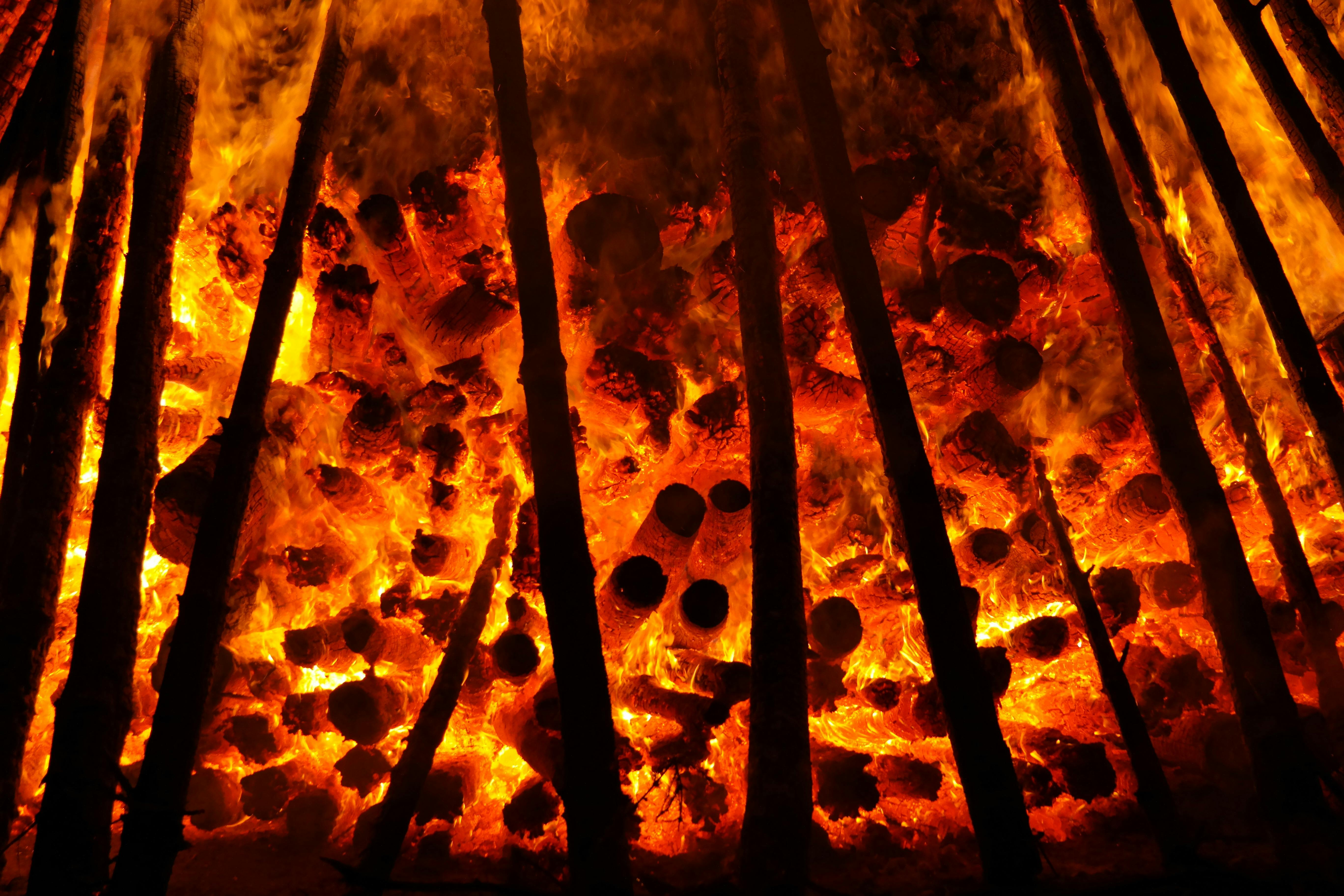
Spain and Portugal’s catastrophic 2025 wildfire season unfolded under heat and drought that scientists say were supercharged by human-driven warming. A new rapid attribution analysis finds the hot, dry, windy “fire weather” fueling the blazes is about 40 times more likely today and roughly 30% more intense than in a cooler, preindustrial climate. As fires swept Galicia, Asturias and northern Portugal, officials and media reported massive fatalities, including firefighters and residents, underscoring how climate-amplified extremes translate into deadly outcomes. Spain also recorded its hottest summer on record, compounding risks for responders and communities, according to the state weather agency AEMET.
The 2025 Iberian fires did not happen in a vacuum. According to World Weather Attribution’s rapid study, the same kind of extreme fire weather that once might have been expected less than once every five centuries is now plausible roughly every 15 years in today’s warmer climate. That conclusion aligns with on-the-ground observations: Spain endured a 16-day August heatwave during its hottest summer in modern records, conditions that dry out vegetation and turn small ignitions into fast-moving fronts. With more than a million hectares burned across the EU and hundreds of thousands of hectares scorched in Spain alone, the human toll became tragically clear: multiple deaths were reported in Spain as flames neared towns and transport routes, while Portugal registered fatalities as well, including responders killed in the line of duty. Meanwhile, satellite-based fire tracking showed exceptional activity over the peninsula, consistent with Copernicus EFFIS seasonal statistics.
Scientists are careful about language: climate change doesn’t strike a match, but it loads the dice toward deadlier outcomes by raising temperatures, drying fuels and increasing the frequency and intensity of dangerous fire weather. In Spain and Portugal this summer, that meant more days when fires, once ignited, were harder to contain—and when evacuations, smoke exposure and fast-moving fronts raised the risk of tragedy. As final forensic investigations proceed, the strongest evidence chain already links global warming to the conditions that cost lives: a hotter baseline, record heatwaves, and fire-conducive weather made vastly more likely.