Deadly Fires: Critical Warnings Went Unheard, Report Reveals.

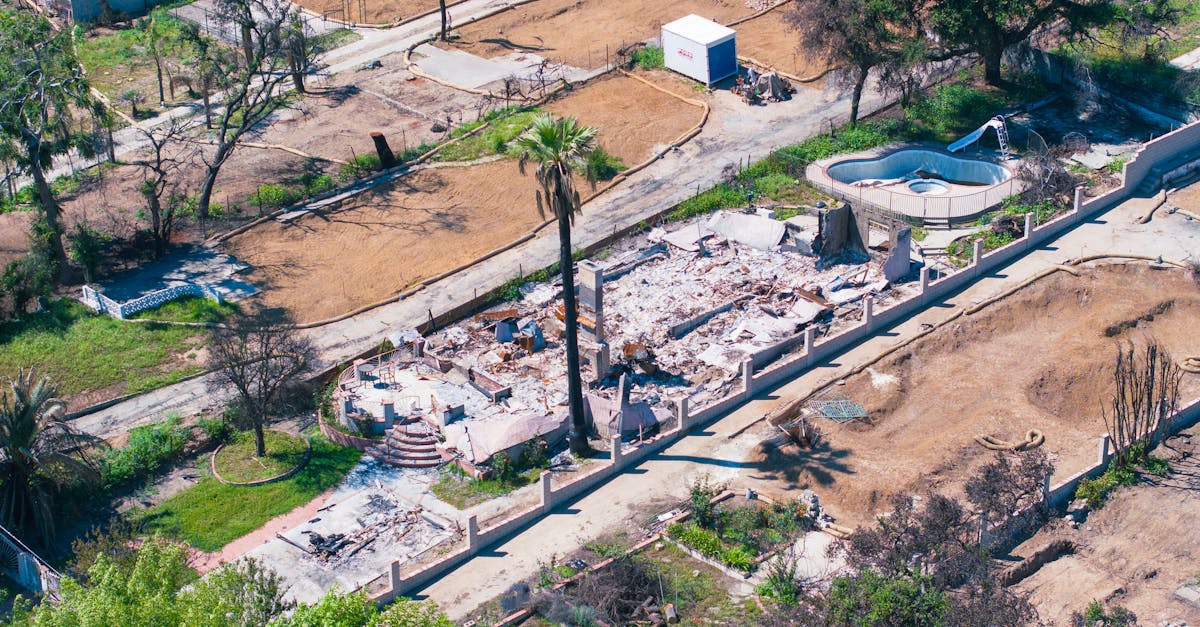
A long-awaited independent investigation has shed critical light on the devastating Eaton and Palisades fires of January 2025, which claimed 31 lives and destroyed over 16,000 structures. The comprehensive 724-page report, commissioned by Governor Gavin Newsom, reveals significant shortcomings in governmental planning, communication, and emergency response. It confirms previous concerns about delayed evacuation alerts for vulnerable communities and overlooked warning signs, offering the most candid assessment yet of the catastrophic events. This report highlights the urgent need for improved coordination and accountability to prevent future tragedies.
The independent investigation by UL Research Institutes' Fire Safety Research Institute paints a grim picture of missed opportunities and systemic failures during the deadly Eaton and Palisades fires. Amid conditions that were already exceptionally dangerous and volatile, poor communication and disorganized efforts turned a challenging situation into a catastrophe for many Los Angeles communities. The urgency of preparing for and responding to such events in increasingly severe wildfire seasons cannot be overstated.
For the Eaton fire, which tragically killed 19 people in West Altadena, the report found critical communication breakdowns. Paramedics on the ground reported "embercast 'like snow'" and burning structures hours before official evacuation orders reached the historically Black neighborhood. These vital warnings never made it to incident commanders, and evacuation operations were not formally organized. This confirms previous reporting on delayed evacuation alerts for the community. It took over an hour to order evacuations after fire reports finally reached commanders, by which time devastation was already widespread.
The Palisades fire also saw grave missteps. The Los Angeles Fire Department (LAFD) neglected multiple warnings that an earlier Jan. 1 fire in Topanga State Park was still smoldering, even as critical fire weather approached. This negligence, previously highlighted by The Times, meant the LAFD failed to monitor the burn area effectively despite concerns from some firefighters about unresolved hot spots and undefined control lines. The report also highlights that initial LAFD leaders overseeing the response lacked experience with large wildfires, leading to other agencies operating independently due to a lack of trust and coordination. Command posts were forced to relocate multiple times, and many on-the-ground units operated without central knowledge, creating a chaotic response. These findings underscore the urgent need for robust incident command systems and clear communication channels to protect lives and property.