Deadly Mystery Virus Threatens CA's Beloved Bass Fishery

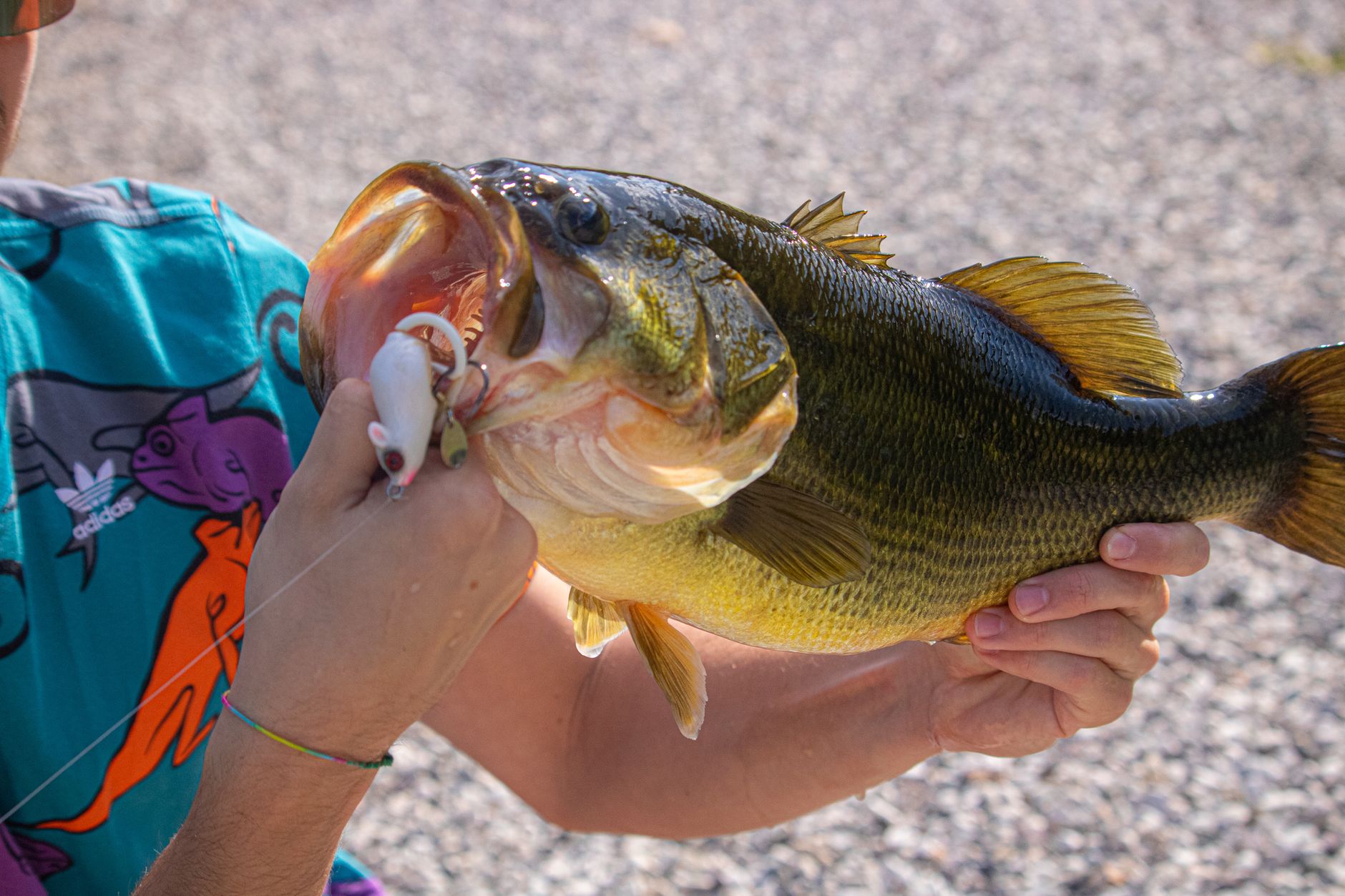
A new, deadly fish virus has officially reached California, posing a significant threat to the state's iconic largemouth bass population and its thriving recreational fishery. Discovered recently at Lake of the Pines, the Largemouth Bass Virus (LMBV) causes severe illness and mass die-offs, though it poses no risk to humans or other warm-blooded animals. This arrival marks the first detection of LMBV on the West Coast, sparking concern among state officials and anglers alike. Preventing further spread through careful practices is now crucial to protect California's precious aquatic ecosystems and the future of its fishing legacy.
A deadly fish virus, Largemouth Bass Virus (LMBV), has officially reached California, threatening the state’s popular bass fisheries. Discovered first in Florida in the early 1990s, it's now in 30 states, with researchers tracing its likely origin to Southeast Asia. While LMBV causes severe illness and die-offs primarily in largemouth bass, it poses no risk to humans or other warm-blooded animals. Its recent detection at Lake of the Pines, following a significant die-off, marks the first time it’s been confirmed on the West Coast.
The virus spreads easily through contaminated fishing gear, infected baitfish, or by moving fish between different waterways. This highlights the urgent need for collective action to protect our aquatic ecosystems. Anglers are crucial partners in this effort. They are urged to adopt simple, sustainable practices: always drain bilge water and thoroughly clean fishing equipment with tap water before moving to a new lake or river.
Furthermore, never transport live or dead fish from one location to another, unless for immediate consumption. Properly dispose of all fish parts and leftover bait in the trash. When releasing a catch, handle it gently, as stress can worsen the virus’s effects. These responsible habits are not just about preventing disease; they are about fostering a broader commitment to environmental protection and ensuring healthy waterways.
Though LMBV’s arrival was perhaps unavoidable, bass that survive an outbreak often develop resistance. Fishing at Lake of the Pines has reportedly rebounded, with many fish showing signs of healing. Still, state officials are actively working to determine if the virus has spread elsewhere. Our ongoing vigilance and responsible practices are vital for safeguarding California's aquatic life and ensuring our ecosystems thrive.