Deep-Sea Secret: What Lies Below California's Coast?

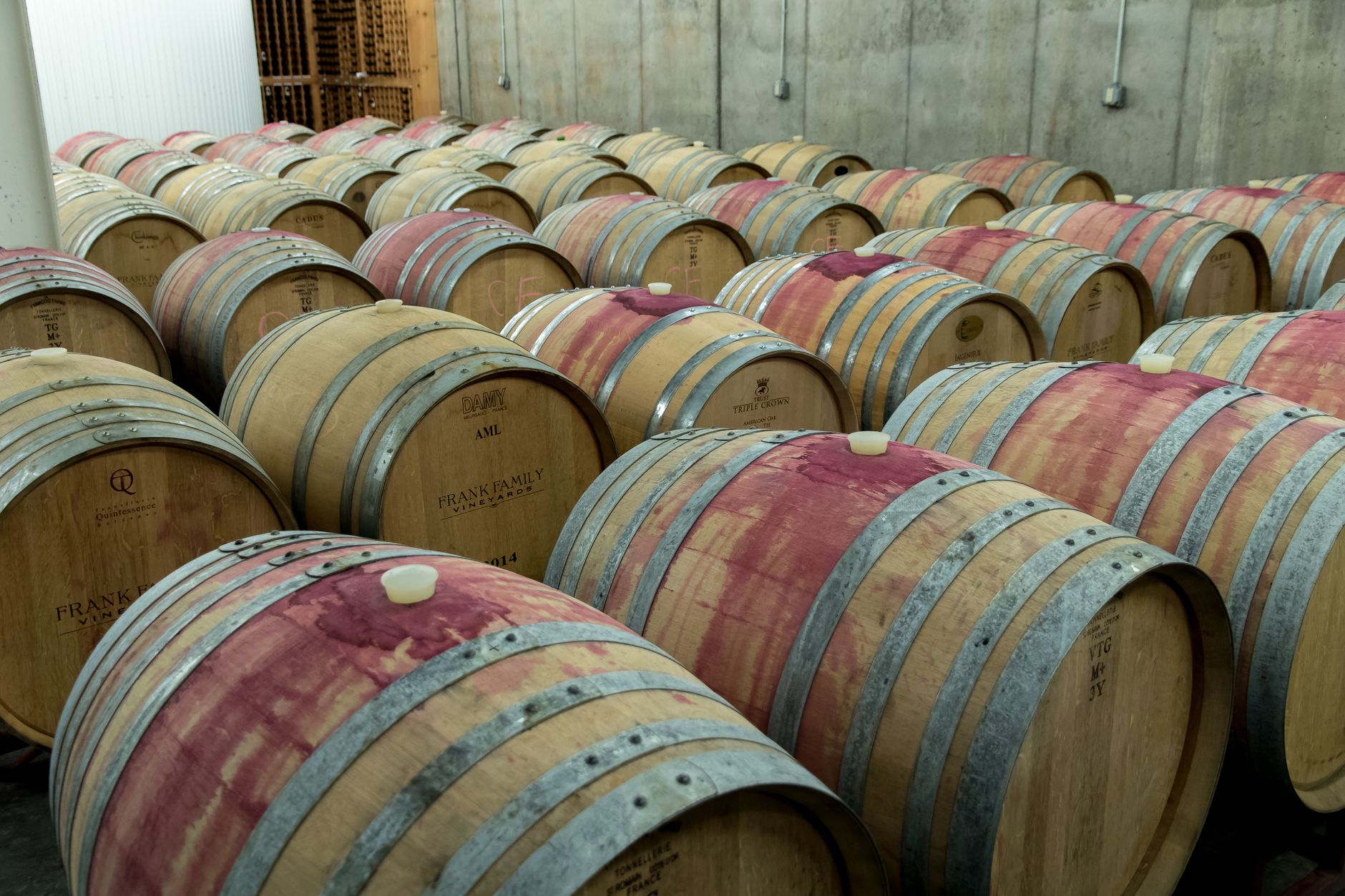
A new bill introduced in Congress aims to tackle the widespread DDT pollution off California's coast, where an estimated half a million barrels of toxic waste were dumped after World War II. This legislation seeks to finally address the environmental nightmare, which continues to poison marine life like dolphins, condors, and sea lions, leading to severe health issues. The 'Ocean Protection and DDT Reduction Act' proposes designating NOAA as the lead agency, providing crucial funding for mapping contamination, tracking its spread, and exploring cleanup solutions like bioremediation. This marks a vital step toward protecting our ocean ecosystems and rectifying a tragic chapter of environmental negligence.
Two members of Congress are pushing forward with a new bill to investigate the shocking scale of DDT pollution off the Southern California coast. This issue has drawn concern from scientists and policymakers alike since they learned that as many as half a million barrels of toxic waste had been dumped into the ocean after World War II [https://www.latimes.com/projects/la-coast-ddt-dumping-ground/]. Officially named the 'Ocean Protection and DDT Reduction Act,' this legislation offers a much-needed path to address California's contaminated marine environment.
Even though DDT was banned over 50 years ago following Rachel Carson’s 'Silent Spring,' this potent chemical takes generations to break down. Scientists are still finding significant amounts of DDT in present-day dolphins [https://www.ncbi.nlm.nih.gov/pmc/articles/PMC6310127/] and coastal-feeding condors [https://www.latimes.com/environment/story/2022-05-17/study-finds-high-concentrations-of-ddt-in-california-condors]. A recent study even connected DDT to an aggressive cancer found in California sea lions [https://www.latimes.com/environment/story/2021-01-31/california-sea-lions-cancer-ddt].
The problem isn't just DDT. Research teams, while mapping the seafloor, have uncovered a multitude of discarded military explosives from the World War II era [https://www.latimes.com/environment/story/2024-01-05/wwii-munitions-and-military-waste-discovered-off-l-a-coast]. Furthermore, old records reveal that 13 other areas off Southern California were approved for dumping other types of waste, including radioactive materials and millions of tons of petroleum waste [https://www.latimes.com/environment/story/2022-08-04/ddt-ocean-dumping-in-l-a-even-worse-than-expected]. This historical disregard for our oceans has created a complex environmental challenge with long-lasting consequences.
The new bill aims to fill a major gap in leadership by naming the National Oceanic Atmospheric Administration (NOAA) as the main coordinating agency. It also proposes authorizing $6 million annually through 2034. This funding would create a program to map the extent of the seafloor contamination, track how these chemicals spread through the water and food web, and explore cleanup possibilities, such as bioremediation.
U.S. Sen. Alex Padilla emphasized, “Our communities deserve to know what’s in the water … and what it means for our health, our fisheries, and our future.” This legislation is crucial for finally confronting this devastating problem head-on and developing solutions that can protect our marine environments, not just in California, but potentially at other dump sites along the nation’s coastline. As environmental scientist Mark Gold stated, “This is one of the most tragic environmental stories in our nation’s history, and to ‘end the story,’ so to speak, before it has a conclusion is inappropriate.”