Despite record growth, where is our clean energy actually going? [Climate Gap]

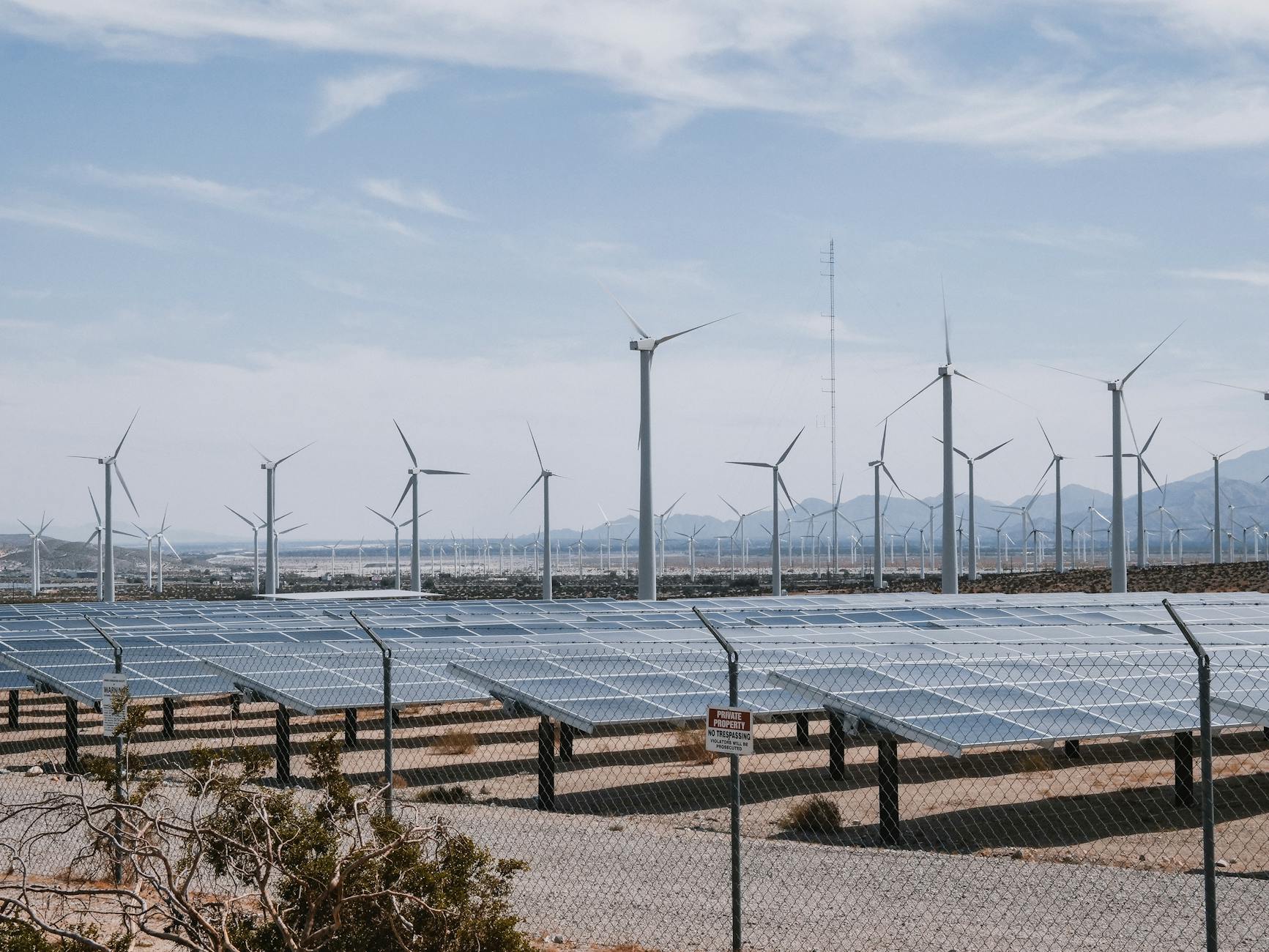
Climate Week NYC 2026 revealed a pressing paradox: while renewable energy is growing faster than ever, many companies struggle to access enough clean power to meet their climate targets. This "supply gap" highlights critical needs for infrastructure and market solutions. Simultaneously, as federal support for carbon removal wavers, US states are stepping up to back technologies that capture CO2 from the atmosphere, recognizing their vital role in meeting global climate goals. Both trends underscore the urgent need for action beyond targets to deliver a sustainable future.
The recent Climate Week NYC highlighted a crucial challenge: despite rapid growth in renewable energy, many businesses still can't find enough clean power to meet their ambitious green goals. A new RE100 Annual Disclosure Report shows that limited supply and high costs are major hurdles for companies aiming for 100% renewable electricity. Globally, these companies now get 59% of their power from renewables, a good step, but progress varies wildly, with some markets like South Korea and Taiwan lagging significantly.
The world added a record 692 gigawatts (GW) of renewable power in 2025, mostly solar and wind, raising total capacity to over 5,149 GW. This is incredible progress, making renewables 85.6% of all new power additions. However, the pace isn't fast enough. The International Renewable Energy Agency (IRENA) warns that we need to almost triple this growth annually to hit the global target of 11.2 terawatts by 2030, a goal vital for avoiding the worst impacts of climate change. As UN Secretary-General António Guterres noted, "we must go further and faster to clear the bottlenecks that delay the transition." These bottlenecks aren't just about building more farms; they include grid connections, storage, and easier access to clean energy contracts.
Meanwhile, carbon dioxide removal (CDR) emerged as another key topic. Experts at Climate Week explored how US states can boost CDR technologies, especially as federal support becomes less certain. This is critical because the 2026 State of Carbon Dioxide Removal report projects a massive gap: we need to remove billions more tonnes of CO2 from the atmosphere by 2050 to align with the Paris Agreement. While nature-based solutions like planting trees remain vital, advanced technologies like direct air capture are also needed.
Several states are already leading the way. California offers financial incentives for direct air capture projects and invests heavily in energy research. Washington State's Climate Commitment Act allows carbon removal projects to create offset credits, requiring captured CO2 to be stored for at least 1,000 years. Massachusetts is researching the costs, scale, and environmental effects of CDR to build a strong policy foundation. These efforts show that states can use various tools—from grants to market rules and research—to support this vital new industry.
Scaling both renewable energy and carbon removal requires more than just good technology. It needs a robust market where buyers commit to long-term contracts, investors have confidence, and clear government rules ensure accountability and community benefits. These discussions at Climate Week highlight a clear message: achieving our climate goals isn't just about setting targets; it's about building the real-world infrastructure, supportive markets, and smart investment systems that can deliver a truly sustainable and electrified future.