Drought-stricken farmers find a surprising answer to extreme weather

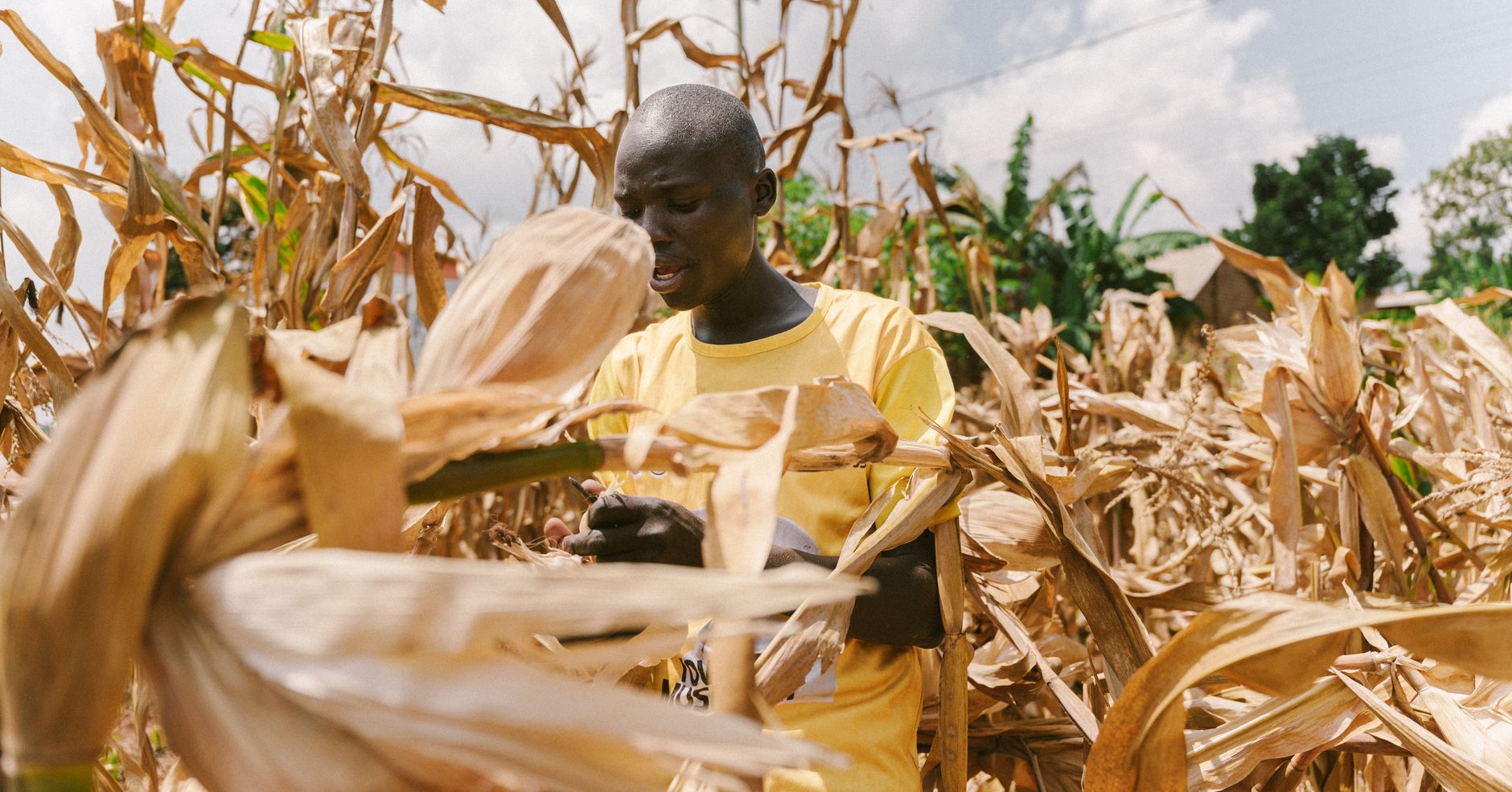
As extreme weather events like intense droughts and heavy rains batter farmlands, farmers are desperately seeking innovative ways to protect their crops and livelihoods. A promising solution is emerging in perennial grains, such as Kernza, which don't require replanting each year. These resilient crops offer vital support against climate unpredictability, helping to stabilize farming operations while offering significant environmental benefits. However, widespread adoption still faces hurdles, from ongoing research to market development. This shift holds the potential for a more sustainable future in agriculture, crucial for our planet.
Bryce Black, a fourth-generation farmer in Kansas, knows firsthand the heartbreak of climate change. After an extreme drought decimated his wheat harvest, leaving him with the lowest yield in years, he's looking for new ways to survive. Many farmers like him are turning to perennial grains—crops planted once every few years instead of annually—to build resilience against unpredictable weather.
These remarkable crops, like Kernza, developed by the Land Institute, offer a powerful defense. Their deep roots can reach water far underground, helping them withstand droughts. When heavy rains hit, these extensive root systems absorb excess water, preventing soil erosion that plagues annual farms. This makes them a critical tool in adapting to our changing climate.
Beyond resilience, perennial grains are environmental champions. Their undisturbed roots sequester more planet-warming carbon dioxide deep in the soil, actively reducing atmospheric pollution. This contributes significantly to fighting global warming. Moreover, healthy soil rich in carbon is more fertile and less prone to degradation, a problem that could cost the global economy over $20 trillion by 2050 if left unchecked. Farmers also report needing less fertilizer and fewer runs with gas-burning equipment, further reducing emissions and protecting our ecosystems.
Despite these clear benefits, bringing perennial grains into widespread use isn't without its challenges. Current yields can be lower than traditional crops, and adapting harvesting equipment or establishing markets for new products like Kernza takes time and effort. Farmers often receive federal assistance for traditional crops, yet specific funding for perennial grains lags behind. However, the urgency of climate change is driving many to explore these sustainable alternatives, recognizing their vital role in securing food production for future generations. As one farmer put it, "Incorporating perennials into our agriculture seems like really the only option to have soil for generations if we want to continue to grow food." The potential for a truly sustainable food system makes this a quiet but powerful revolution.