Early Cat 5 Typhoon Sinlaku: What It Reveals About Our Climate

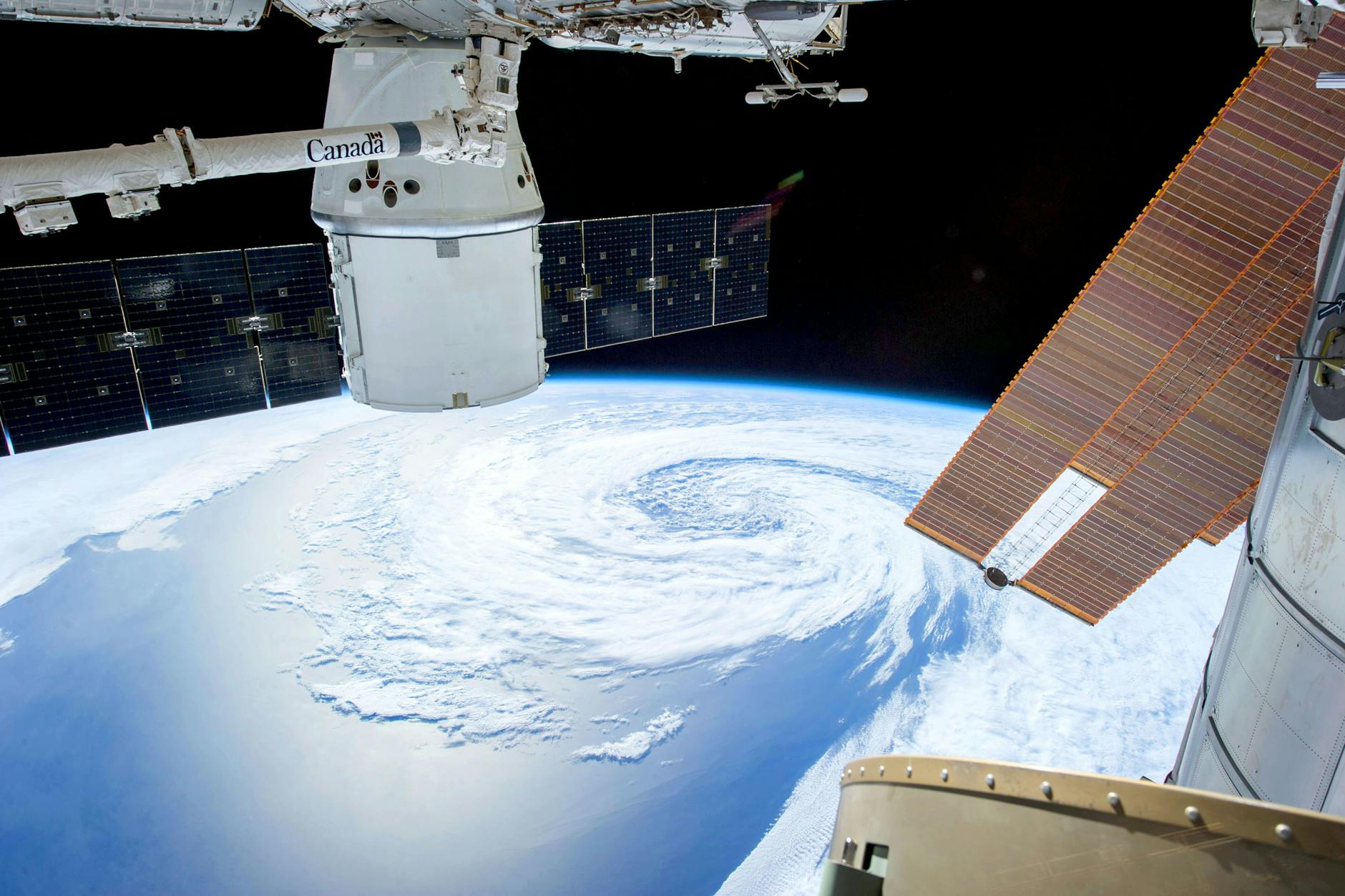
Super Typhoon Sinlaku has rapidly escalated to a powerful Category 5 storm, becoming the second of its kind this early in 2026. Peaking with 180 mph winds, it now poses an extreme threat to the U.S. Northern Mariana Islands, including Saipan and Tinian. This unusually intense and early season activity underlines growing concerns about how climate change is contributing to the increasing power of tropical cyclones. The ocean's warming waters provide fertile ground for such rapid intensification, making environmental action more critical than ever.
Sinlaku, named after a goddess of nature, rapidly transformed into a Category 5 super typhoon, reaching its peak intensity with powerful 180 mph winds, as classified by the Joint Typhoon Warning Center (JTWC). This incredible strengthening happened over the exceptionally warm Pacific waters southeast of Guam, making it an extremely dangerous storm. It's now on a path that could bring severe impacts to the U.S. Northern Mariana Islands, specifically Tinian and Saipan, which are bracing for its arrival.
The storm's rapid intensification was fueled by perfect conditions: remarkably low wind shear and remarkably warm ocean temperatures, extending deep below the surface. These elements provided the immense energy needed for Sinlaku to quickly reach its formidable strength. Its ability to gain so much power so fast is a stark reminder of the energy available in our warming oceans.
Sinlaku stands out as the second Category 5 typhoon globally in 2026 and one of the strongest ever recorded so early in the year, according to a list of Category 5 typhoons compiled by NOAA Coast. However, data since 1982 shows a statistically significant increase in the number of these most powerful storms worldwide. This trend is alarming, as climate change is widely expected to boost the proportion of tropical cyclones that reach these extreme Category 4 and 5 strengths, highlighting the urgent need for global climate action and sustainable solutions to protect vulnerable communities and environments.