Early US Wildfires Break Records, Hint at What's Ahead

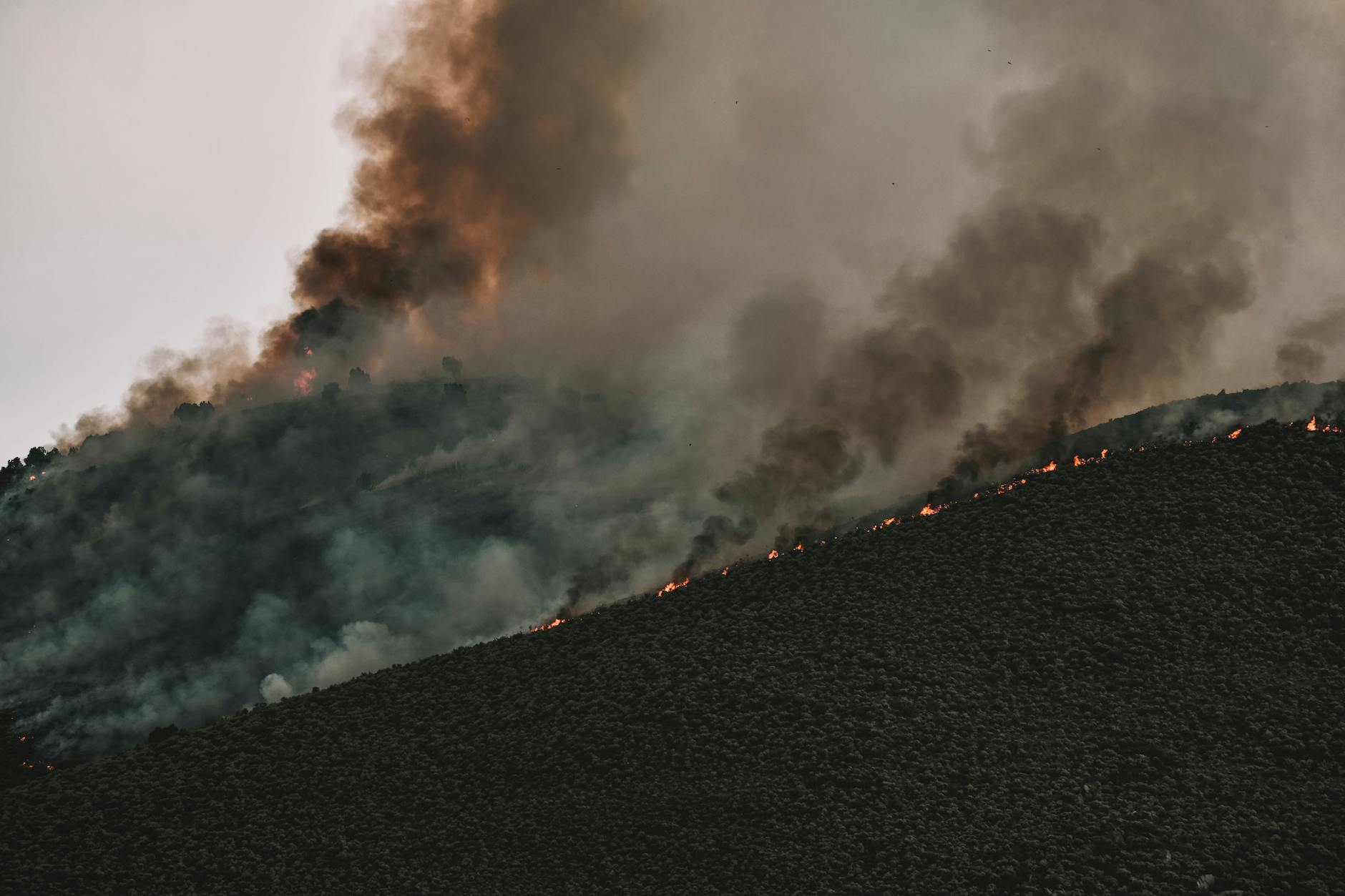
The United States is grappling with an exceptionally active wildfire season, already breaking records by late March. Over 1.5 million acres have burned, a staggering 127 percent above the 10-year average, with more ignitions than any year in the past decade. This early surge, fueled by one of the warmest and driest winters on record, is a stark reminder of escalating climate change impacts. Experts warn that these unprecedented blazes could set the stage for a long and dangerous summer, underscoring the urgent need for action against global warming.
This year's wildfire season has started with an alarming intensity across the United States, far exceeding typical levels for late March. More than 1.5 million acres have already been consumed, a figure 127 percent higher than the average for the past decade, according to data from the National Interagency Fire Center. The sheer number of fires ignited also set a new record for the past decade, signaling a worrying trend for what lies ahead.
Experts are clear: these early and intense blazes are a strong indicator of ongoing climate change. Warmer, drier winters and a persistent megadrought in the West, intensified by the burning of fossil fuels, create perfect conditions for fires to ignite and spread rapidly. A recent study even suggested that the record heatwaves contributing to these conditions would be "virtually impossible" without climate change. Even states like Nebraska have seen record acreage burned, demonstrating the widespread impact of these changing conditions and the urgency of addressing global warming.
The early surge in fires raises concerns about straining federal firefighting resources, especially with ongoing changes to how wildland firefighting agencies are organized. This confusion among crews adds another layer of challenge. However, there are actionable steps that can make a difference. Rethinking our approach to fire management, like decentralizing power grids that often spark fires, strategically placing firefighting teams in safer, moister areas, and increasing controlled burns in appropriate conditions, are crucial for environmental protection. Adapting to this new era of climate-driven wildfires demands a fresh perspective and collective commitment to sustainable solutions to protect our communities and natural environments.