Earth Nears Climate 'Overshoot': What Does It Mean For Us?

A new United Nations report warns that Earth is rapidly approaching a dangerous phase of climate "overshoot," where global temperatures will soon exceed the critical 1.5-degree Celsius warming limit set by the Paris Agreement. This impending breach, driven by persistent fossil fuel emissions, threatens to intensify extreme weather, endanger food and water supplies, and trigger irreversible environmental damage. Scientists emphasize the urgent need to drastically cut greenhouse gas emissions and embrace sustainable solutions to mitigate the worst impacts and secure a safer future.
The report, titled Limiting Overshoot, highlights that reaching beyond 1.5 degrees Celsius—a level of warming since pre-industrial times—will bring unacceptable and unbearable consequences, especially for vulnerable communities. This isn't a distant threat; recent deadly heatwaves in Europe and North America show that even developed nations are grappling with the impacts of a warming planet now. Scientists note that we are already lagging behind in preparing for what's to come, underscoring a significant gap in our adaptive capacity.
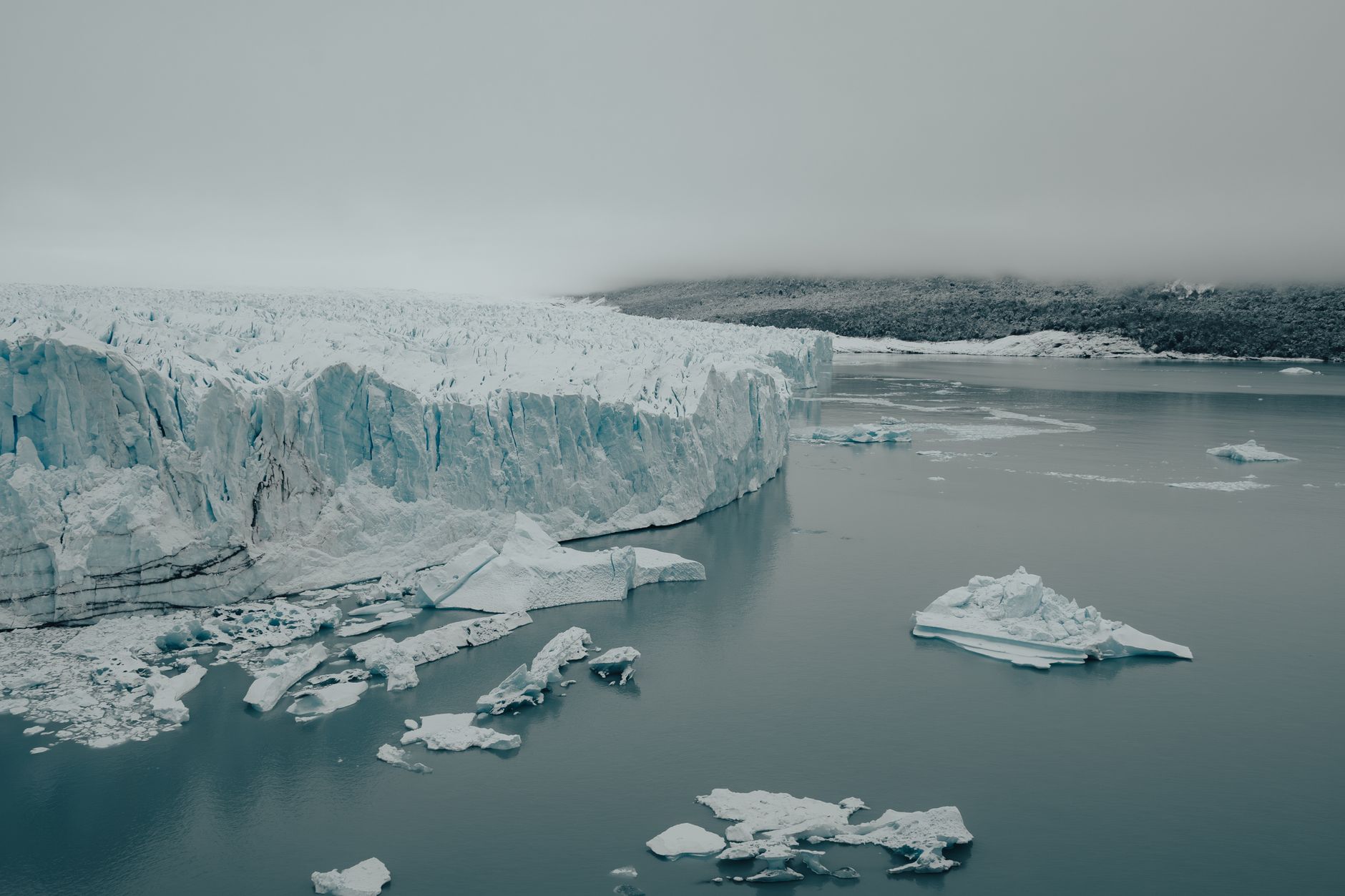
Staying too long in this "overshoot" zone risks pushing critical natural systems, like ice sheets and ocean currents, past irreversible tipping points. United Nations Secretary-General António Guterres stressed that we must make any overshoot as "small and short as possible." This means an urgent "triple play" of climate action: rapidly phasing out fossil fuels, boosting renewable energy, and slashing methane pollution.
Furthermore, protecting natural carbon sinks like forests and oceans is vital. Climate experts acknowledge our past failures to cut emissions rapidly, making it even more crucial to act decisively now. Embracing clean, electric solutions over fossil fuels is a powerful step towards safeguarding our planet, offering a clear path to reduce emissions and build a more resilient, sustainable world for everyone.