Earth's Driest Desert Hides a Stunning Secret This Spring

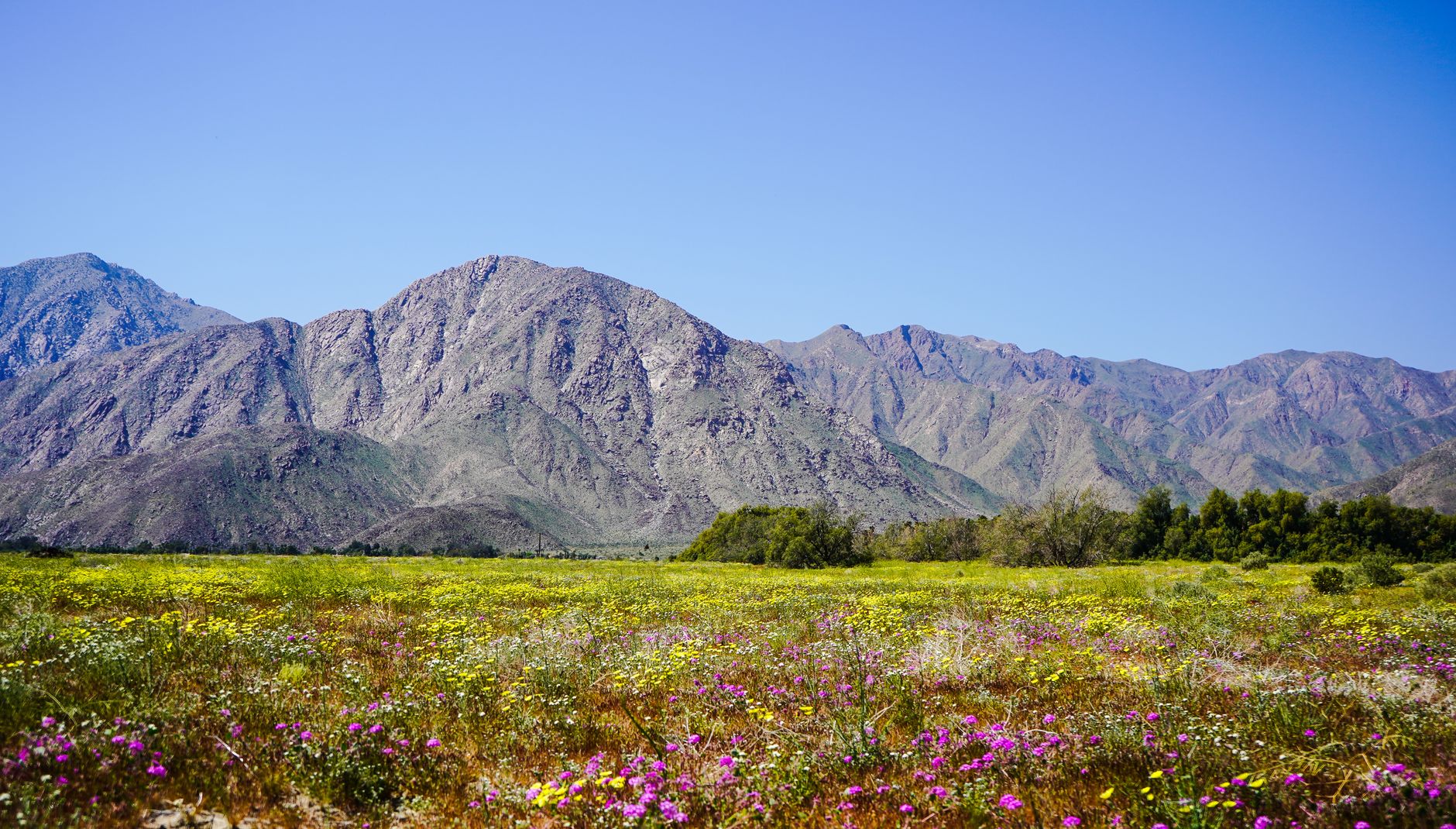
The Atacama Desert, famously the world's driest nonpolar desert, is currently ablaze with a historic 'flowering desert' phenomenon. This vibrant spectacle, unseen by many for decades, is the result of unusually heavy rains brought by a powerful El Niño weather pattern earlier this year. Millions of long-dormant seeds and bulbs have awakened, transforming the arid landscape into a colorful tapestry of over 200 plant species. While El Niño events are natural, their increasing intensity points to a warming climate, making this beautiful bloom a striking reminder of nature's resilience and the dramatic shifts occurring globally.
Chile's Atacama Desert, a place usually defined by rocky, brownish dunes, has become a breathtaking canvas of wildflowers. This rare event, known locally as Desierto Florido, has painted some 6,560 square miles of the desert in vibrant hues, a sight not witnessed with such intensity since 1997.
The secret to this transformation lies in record rainfall between July and August, fueled by a powerful 'super El Niño.' While these climate phenomena are part of Earth's natural cycle, scientists note that their increasing strength and frequency are a concerning indicator of global warming. These heavy rains caused devastation in other parts of Chile, but in the Atacama, they activated what's called germplasm—the dormant seeds, bulbs, and even eggs of various creatures that can lie hidden for decades.
The result is a visual marvel, with over 200 plant species like red and yellow ñañucas, purple rock purslane, and the iconic garra de león blanketing hills and ravines. Many of these areas haven't seen such greenery or flowers in 30 or 40 years, showcasing the incredible patience and vitality of desert life. This extraordinary bloom is attracting tourists from all over, eager to witness nature’s spectacular display and reflect on the powerful, sometimes surprising, impacts of global climate patterns on our environment.