Earth's Ice Sheets Lost Trillions of Tons. See What's Driving It.

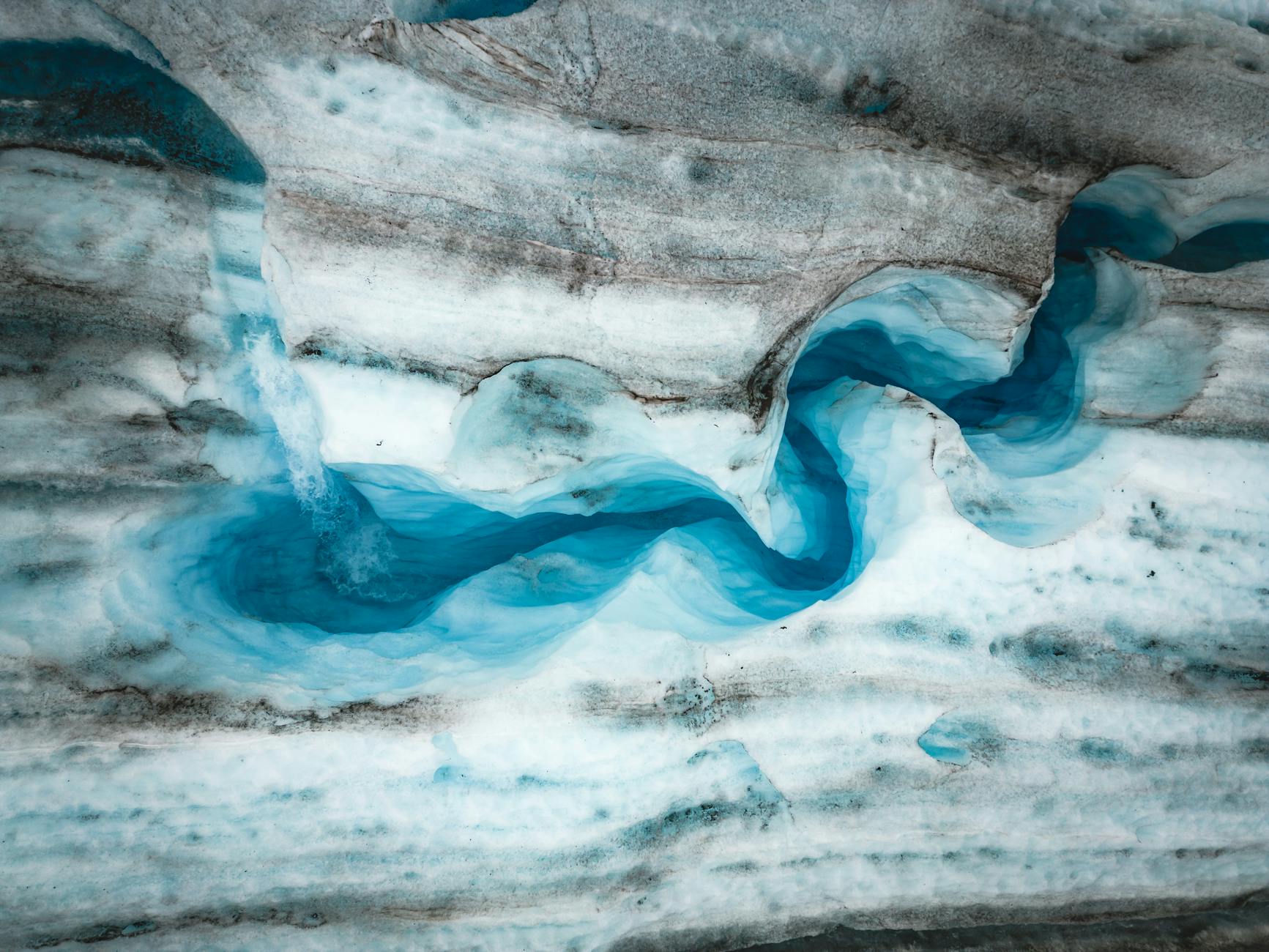
A new scientific report reveals that Greenland and Antarctica have lost a staggering 12.5 trillion tons of ice since 1979. This massive melt, largely driven by warming ocean waters, has already contributed to a global sea level rise of about an inch. Experts warn that this seemingly small change leads to annual flooding for millions of people, highlighting the urgent need for global climate action. The study underscores how quickly our planet's polar regions are transforming, with significant consequences for coastal communities.
For nearly half a century, Earth's major ice sheets in Greenland and Antarctica have been shrinking at an alarming rate. Scientists confirm that since 1979, an astounding 12.5 trillion tons of ice have melted away. This isn't just a concern for distant polar regions; this much frozen water is enough to cover the entire continental United States in five feet of ice.
Surprisingly, it's not primarily warmer air that's causing this rapid decline. Instead, warm ocean waters are eating away at 83% of the ice sheets from below and the sides, according to a study published in Scientific Data. This influx of cold meltwater into our oceans is a major factor in rising sea levels, posing an increasing threat to coastal communities globally.
While an inch of global sea level rise might sound minor, experts explain that every third of an inch puts another two to three million people at risk of annual flooding. The melt is also accelerating, a clear sign of ongoing climate change. Researchers, who used an international collaboration involving NASA satellites to trace ice volumes back decades, observed that after a period of relative stability, the melting truly intensified in the 2010s.
This accelerating trend means we can expect continued changes for decades to come, even if we manage to halt global warming now. Scientists are particularly worried about "dynamic processes" – abrupt changes like glaciers retreating rapidly, which could trigger irreversible "tipping points" or even an "ice sheet instability collapse scenario." The evidence is compelling, and the threat to our planet's future is becoming undeniably clear.