East Coast Faces Intense Storm: What's Next?

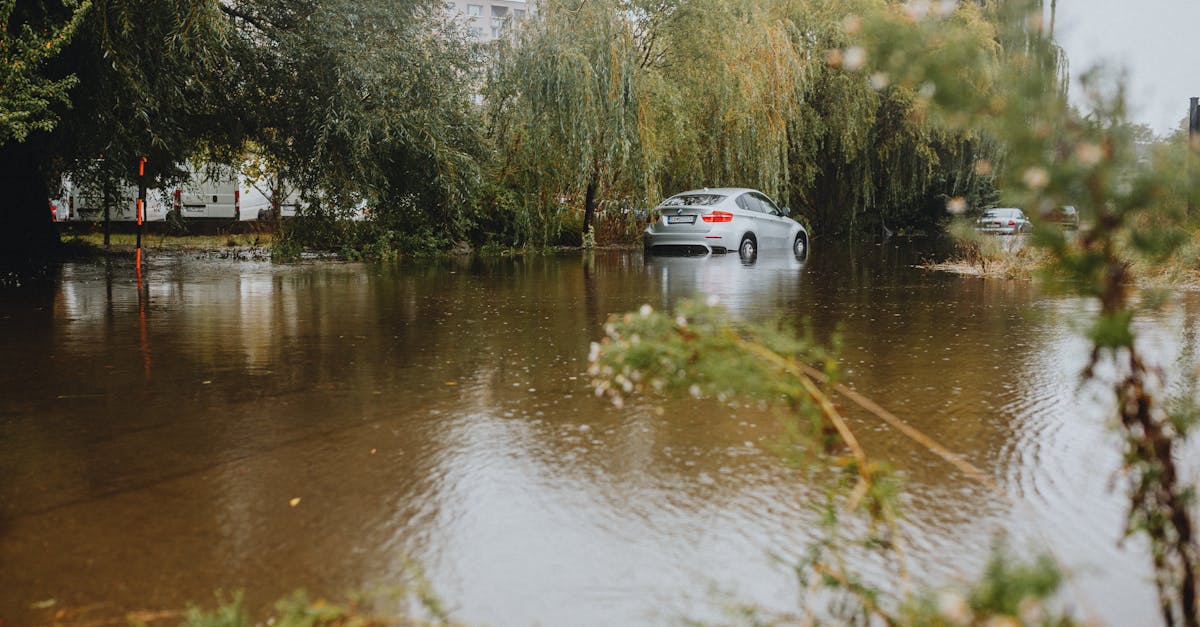
A powerful, slow-moving nor'easter is battering the northeastern U.S., bringing widespread coastal flooding, high winds, and heavy rains to tens of millions of people. This early-season storm has already knocked out power for around 100,000 customers and caused significant damage, reminiscent of past severe weather events. As communities grapple with submerged streets and disrupted lives, the persistent nature of such extreme weather underscores the growing urgency of preparing for a changing climate.
The storm’s impact has been severe across the region. In coastal New Jersey, Surf City Marina owner Kenny Formica described watching floodwaters rise through surveillance cameras, with boats and jet skis torn from their moorings. He noted that water entering his building is a rare occurrence, last seen during the destructive Hurricane Sandy in 2012, highlighting the intensity of this current event. Nearby in Edgewater, New Jersey, videos showed cars almost completely submerged in a flooded parking lot along the Hudson River.
Beyond property damage, the nor'easter has caused widespread disruption. Hundreds of flights were canceled at major airports like Boston Logan, and travel to popular spots like Martha’s Vineyard and Nantucket was severely hampered. Even major league sports felt the crunch, with the Boston Red Sox forced to relocate a game to Florida, and popular concerts, like Ed Sheeran's, being canceled. A wedding on North Carolina’s Hatteras Island was dramatically reshuffled when a highway closure stranded most guests, forcing a last-minute venue change.
Officials across the East Coast are urging extreme caution as the storm continues through the weekend. The National Weather Service forecasts ongoing high winds, elevated tides, and heavy rain. New York Governor Kathy Hochul warned of significant coastal flooding and waves reaching up to 20 feet. These increasingly frequent and intense weather patterns serve as a stark reminder of the environmental challenges we face and the critical need for resilient infrastructure and proactive climate action to protect our communities.