Ecuadoran City's Secret to 600+ Hectares of Thriving Green Spaces?

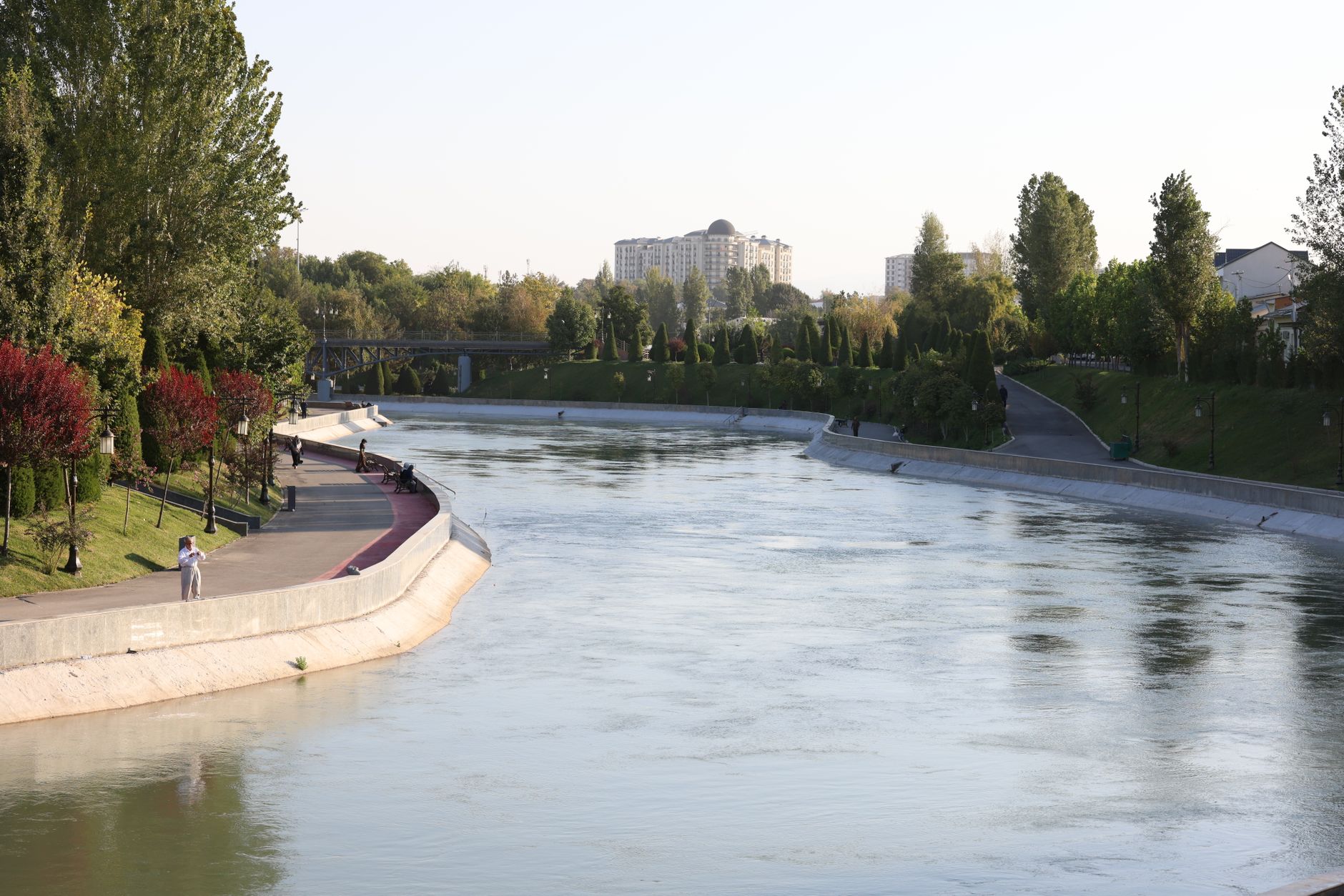
Loja, Ecuador, a city of 200,000, has dramatically transformed its urban landscape by implementing an innovative "Urban Green System." What were once neglected, unsafe areas are now over 600 hectares of connected green spaces, featuring 32 kilometers of vibrant trails, parks, and bike paths. This ambitious project has not only boosted residents' physical and mental well-being but also significantly improved the city's environmental resilience by reducing seasonal flooding and cooling urban areas. Loja's commitment to integrating nature into its core infrastructure offers a powerful blueprint for cities facing climate challenges, proving that green solutions are key to healthier, more sustainable communities.
Before this green transformation, Loja struggled with uneven access to nature, offering just 6.22 square meters of green space per person, far less than recommended by health organizations. Many riverbanks and open areas were neglected, leading to insecurity and environmental vulnerability, including seasonal floods. The city's new "Urban Green System" changed everything, creating a vast network of over 600 hectares of connected green areas, including more than 32 kilometers of welcoming trails and bike paths.
This ambitious project has yielded remarkable results on three dimensions simultaneously. Environmentally, restoring riverbanks has significantly reduced flooding and expanding tree cover has naturally cooled the city, while also leading to the discovery of 18 new species. Socially, residents report a major boost in physical activity and overall well-being, with safe, shaded routes now enjoyed by families, cyclists, and seniors alike. Economically, the system has become a blueprint for sustainable development, inspiring other cities and integrating green principles directly into Loja's long-term urban planning. This shift underscores the critical importance of embracing nature as a core part of urban infrastructure to build resilience against climate change.
The project's success stems from a deliberate decision to view nature not as an add-on, but as essential urban infrastructure, much like roads or utilities. Experts from the Technical University of Loja helped shape this vision, designing a continuous network of rivers, ravines, parks, and public spaces that structures the city *with* nature, rather than against it. This approach, based on the principles of green infrastructure, emphasizes creating diverse, multi-functional, and interconnected spaces that allow for the easy movement of people, wildlife, and natural elements.
The impact on Loja's community has been profound. Previously avoided areas are now vibrant hubs for social interaction and outdoor activities. Programs encouraging walks and exercises have fostered a stronger sense of community and improved public health. The project’s vision was officially enshrined in the city’s Land Use and Management Plan, giving it a legal basis for protecting green spaces and guiding future development. Loja's innovative approach, recognized as a finalist for the prestigious WRI Ross Center Prize for Cities, an international award for sustainable urban innovation driven by the World Resources Institute, demonstrates a powerful model for how cities globally can integrate natural solutions to become healthier, more equitable, and better equipped to face a changing climate. Investing in green spaces is not just about aesthetics; it's about building a sustainable future for everyone.