El Niño brings wildfire hope, but there's a crucial catch for next year.

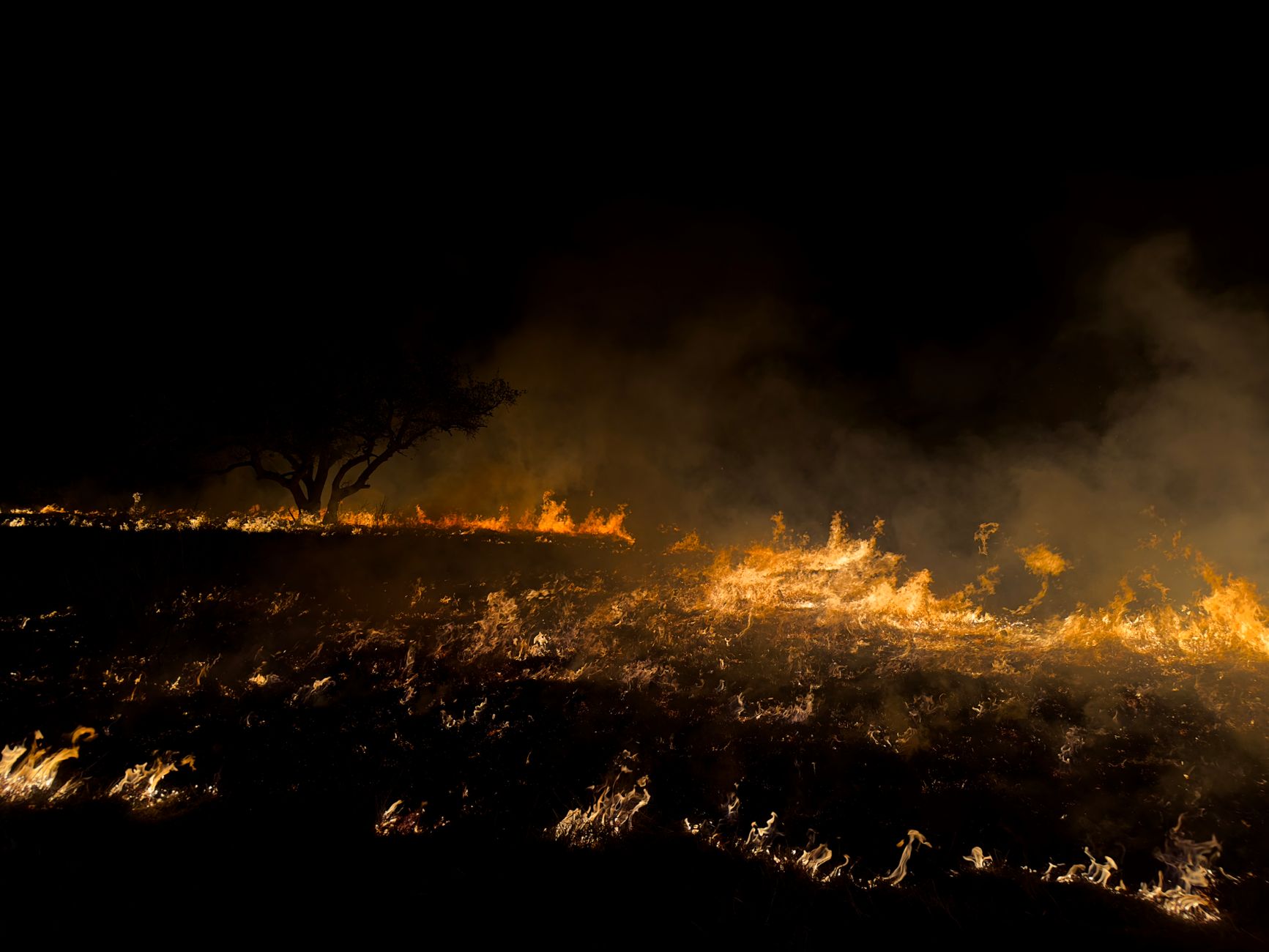
Wildfires are devastating parts of the U.S., but a developing El Niño climate pattern offers a glimmer of hope. Federal forecasters from NOAA predict this "very strong" warming event could bring much-needed wetter conditions to the Southern states next year, potentially easing the risk of future blazes. While this provides some optimism, immediate relief is unlikely, as the current severe fire season is still a consequence of the preceding dry La Niña pattern. Understanding these complex climate shifts is crucial as communities face the urgent impacts of a changing global climate.
As destructive wildfires continue to rage across North America, many are looking for signs of relief. This year, the Pacific Ocean's warming El Niño pattern is emerging, a phenomenon known to shift weather globally. Typically, El Niño brings more rain to the Southern United States, which can help keep vegetation moist and reduce the potential for wildfires.
However, a recent study by NOAA researchers clarifies that El Niño’s dampening effect on wildfires usually takes hold the *following* summer, after wet fall, winter, and spring seasons. This means that while El Niño is forming now and is expected to be strong, its benefits won't be felt in the immediate future, leaving regions still battling blazes caused by the recently ended dry La Niña period.
It's important to understand that El Niño is not a guaranteed solution. While it can reduce the *likelihood* of severe fire seasons in the South, it doesn't eliminate the risk entirely. Climate patterns are complex, and local conditions like soil moisture and monsoon rains play a significant role. For instance, Southern California might see earlier relief with potential fall rains impacting the Santa Ana winds, but the overall picture varies greatly.
Moreover, while the Southern U.S. might get wetter, El Niño can bring warmer and drier conditions to the North. This highlights the uneven and unpredictable nature of climate impacts, reinforcing the urgent need for comprehensive environmental strategies and sustainable solutions to protect our communities from the growing threat of extreme weather events.