El Niño Returns: Why Thousands in Florida Are Exposed.

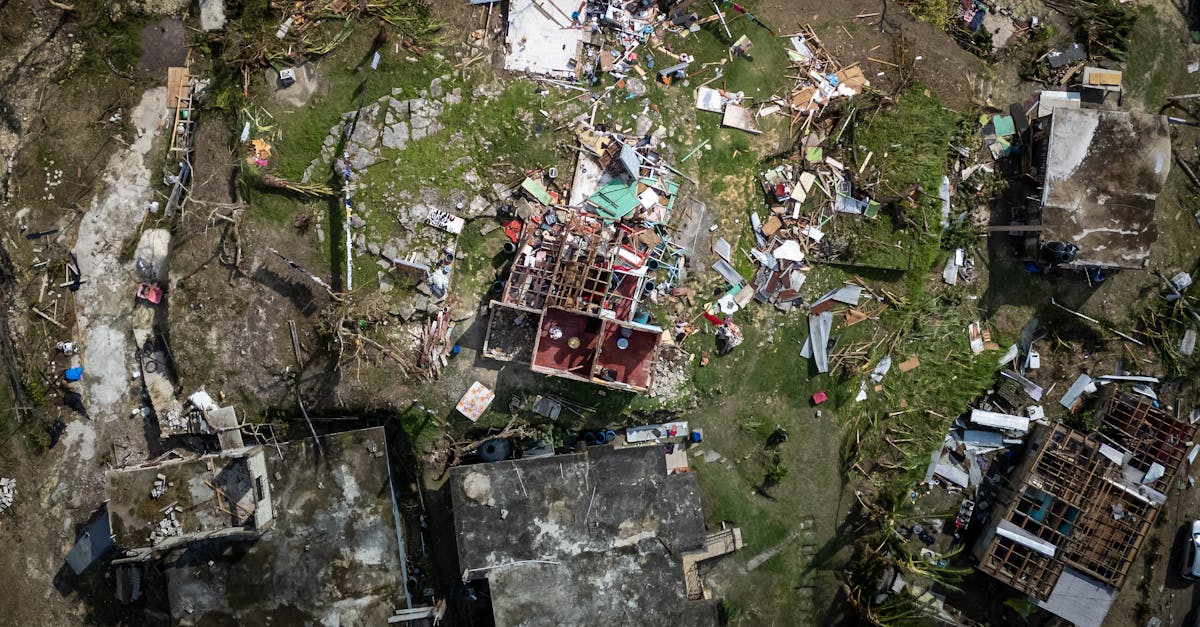
Florida is bracing for a potent El Niño this winter, with forecasters predicting a "super" event similar to the one that caused deadly tornadoes in 1998. This powerful weather pattern, intensified by a warming climate, significantly raises the risk of severe storms across the state. Thousands of Floridians living in older manufactured homes find themselves particularly vulnerable, often without safe shelters or adequate warning systems. This recurring threat underscores an urgent need for stronger community protections and climate resilience.
Florida is once again staring down a powerful El Niño, a climate pattern that historically brings severe weather to the state. Experts predict this El Niño has over a 90 percent chance of reaching "super" status, much like the one in 1997-98, which led to Florida's deadliest tornado outbreak. This risk is amplified by our warming climate, which can make once-rare weather events more common and intense, pushing storms into new territories.
The danger isn't spread equally. People living in manufactured homes are 15 to 20 times more likely to die in a tornado than those in traditional houses, accounting for over half of all in-home tornado fatalities. These homes are designed differently, making them susceptible to high winds. Often, the communities where these homes are located are disproportionately low-income and elderly, with poverty rates of 31 percent, more than double those of renters, leaving residents with limited options and power to improve safety.
These communities are often situated on less desirable land, a historical pattern that creates a clear case of environmental injustice. Even though new manufactured homes built after 1994 are built to withstand stronger winds, direct hits from powerful tornadoes can still be devastating. This makes having access to a sturdy, safe shelter the only real protection.
Florida has more manufactured homes than any other state, with an estimated 600,000 of them predating the stronger 1994 building codes. Despite the clear need, federal funding programs designed to build community storm shelters have struggled to reach these vulnerable populations. A review of FEMA’s mitigation-grant records found that none of Florida's community safe rooms went to a manufactured-home community over roughly two decades.
Furthermore, efforts to protect residents fall short in other ways. While a new state law aims to help with home repairs, critical storm warnings often don't reach everyone. A federal review noted that language barriers and low literacy rates mean many residents, including a significant number of those with limited English proficiency, can't fully understand life-saving alerts. Tragically, in many areas, the situation for manufactured home residents remains largely unchanged since the deadly storms of 1998. Protecting these communities demands immediate, collective action and a commitment to equitable climate resilience.