El Niño's Big Secret: California's Unexpected Water Bonanza?

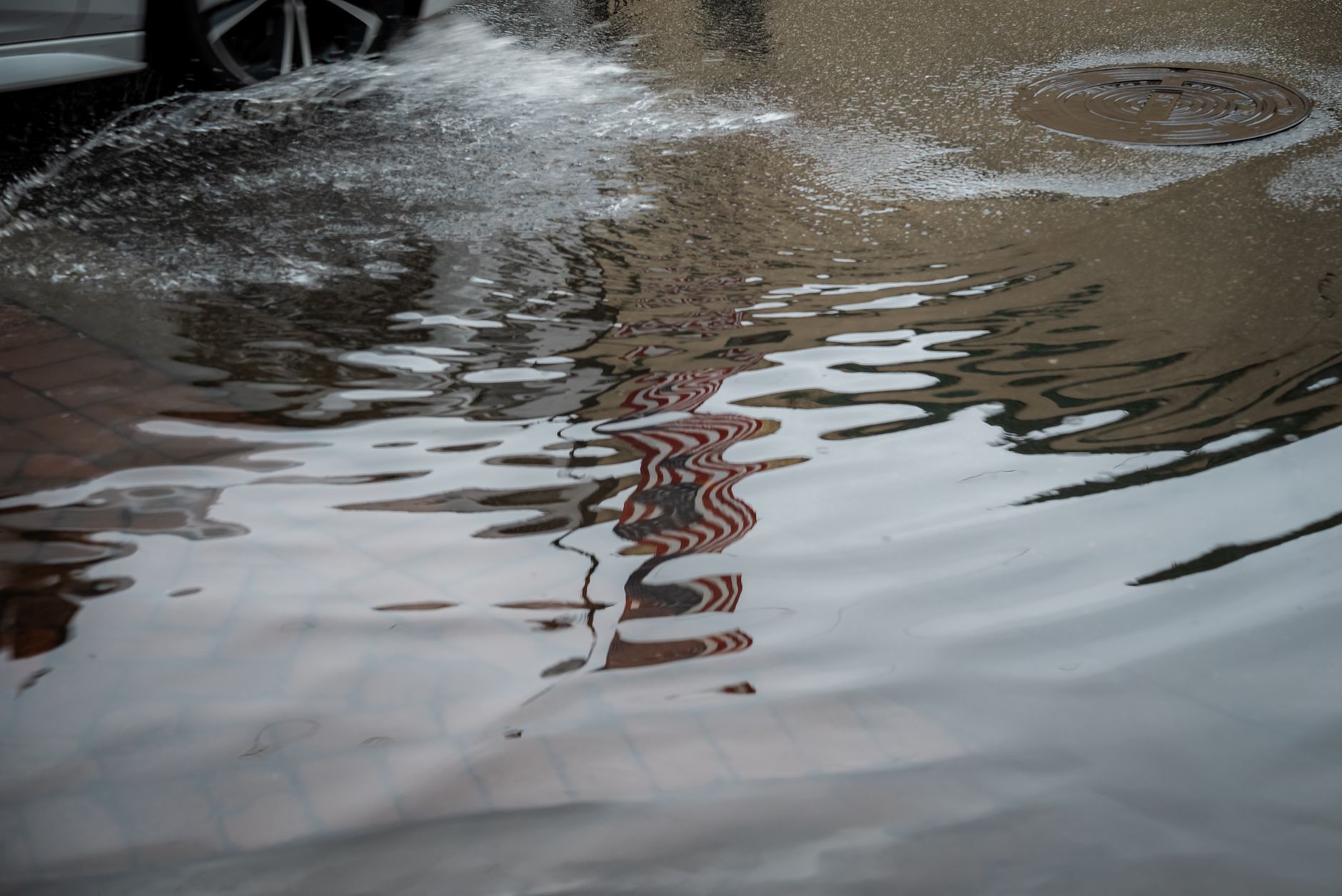
California is bracing for potentially powerful El Niño storms this fall and winter, which bring the dual threat of flooding and a valuable opportunity: a massive influx of water. Instead of merely managing floodwaters, the state is proactively working to capture this precious resource, replenishing depleted groundwater supplies. From urban basins to restored natural floodplains, these efforts are crucial for building a more resilient water system. This strategic approach highlights the importance of adapting to extreme weather, a growing challenge driven by global warming.
With a strong El Niño on the horizon, California is preparing not just for potential floods, but also for a vital chance to boost its water reserves. Experts agree the state has made good progress in capturing stormwater. For instance, Los Angeles County uses a system of 27 "spreading grounds"—artificial basins that collect torrents from storms. This water then slowly soaks into the ground, replenishing the underground water supply that cities can later tap into. During a previous wet season, this system captured enough water for 3.3 million Angelenos for a year. It's a clear example of how urban areas can turn potential problems into solutions, securing future water for communities.
Further north in the Central Valley, some of the most innovative water capture efforts are taking place. Groups like River Partners are actively restoring natural floodplains along rivers and creeks, allowing floodwaters to spread out and naturally seep into the earth. This method revives historical landscapes that once served as vast natural sponges. A notable success is Dos Rios State Park, California's "newest state park", where former farmland has been transformed into a vibrant floodplain. This approach isn't just about water; it's about re-establishing ecological balance and protecting our environment.
Even individual farmers are stepping up. Don Cameron, who manages Terranova Ranch near Fresno, is a pioneer in "flooding his farmland to replenish groundwater". He's been doing this for years, and for the upcoming El Niño, he's upgrading from diesel pumps to high-capacity electric ones. This shift not only helps capture more water efficiently but also underscores the benefits of cleaner, more sustainable energy solutions over fossil fuels, reducing environmental impact while boosting water security.
Statewide, Governor Newsom "declared a statewide emergency" to streamline these water capture efforts, acknowledging the urgency of the situation. This includes supporting local agencies and fast-tracking projects. Beyond immediate responses, longer-term strategies are also being explored, such as new reservoir projects like the proposed "Sites Reservoir" and more flexible dam operations, which a recent "study" from UC San Diego suggests could provide water for over a million households. These coordinated actions are essential to securing California's water future.
Ultimately, these efforts are critical because global warming is making our weather patterns more extreme. We're seeing more intense "atmospheric rivers" and longer, more severe droughts. This means that every drop of water captured during wet periods is crucial for sustaining the state through dry spells. By actively managing stormwater, restoring natural systems, and embracing clean technology like electric pumps, California is not only preparing for El Niño but also building a more resilient, sustainable future in the face of a changing climate.