El Niño's Looming Threat: Unpacking the Hidden Costs for Everyone

The world is bracing for a 'Godzilla El Niño,' an intense weather phenomenon projected to bring significant economic and social upheaval. Experts warn this event could drastically inflate global food prices by 15% or more, leading to widespread shortages of essential staples. Beyond the immediate weather impacts, this El Niño is seen as a stark warning within a larger 'climate supercycle,' where climate change increasingly drives up costs, exacerbates resource scarcity, and fuels global instability. It underscores the urgent need to accelerate the transition to sustainable, electrified solutions, securing a more stable future against escalating climate impacts.
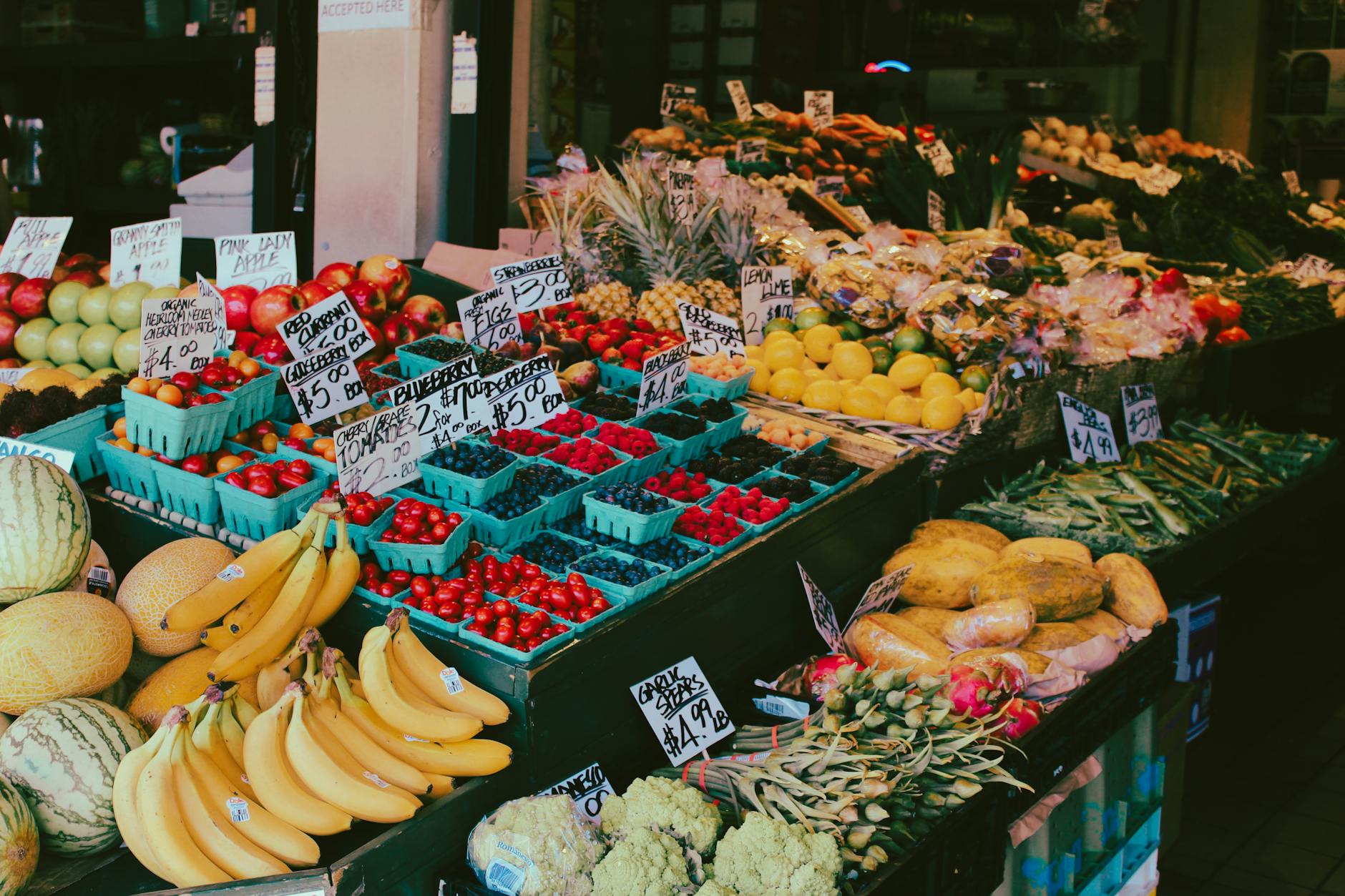
This powerful El Niño is expected to hit our wallets directly. Financial experts suggest global food prices could jump by 15% or more, meaning everything from your daily bread to your coffee could become significantly more expensive. Countries like Britain, which import much of their food from regions vulnerable to drought, will feel this squeeze particularly hard, as most of the food we import is grown in drought-risk areas. In fact, a quarter of the UK's food imports come from areas most exposed to El Niño. The increased temperatures and severe weather, like floods and storms, simply make it more costly to grow and transport goods, pushing prices even higher.
These rising costs leave less money for families and businesses, slowing down economic growth and straining government budgets. Meanwhile, the demand for essential minerals needed for modern solutions, including the electrification of our world and the rise of AI, is soaring. Think copper, lithium, and steel. Mining these resources takes time and faces challenges, often leading to shortages and even higher prices. Climate impacts themselves are making it harder and pricier to extract these vital materials, creating a tough cycle where demand outstrips supply, especially for the tools needed for a cleaner future.
This isn't just a temporary economic blip; it’s part of a larger 'climate supercycle' where the climate crisis itself drives global economic trends and geopolitical tensions. We're seeing how climate issues can exacerbate conflicts worldwide, with historical data suggesting up to 20 percent of past armed conflicts have been driven by climate variations. Furthermore, current conflicts often closely map onto regions impacted by drought. While some resist the shift to sustainable practices, the growing impacts of climate change are actually intensifying the global push for this transition, as governments and businesses seek security in an increasingly uncertain world.
The 'Godzilla El Niño' serves as a stark warning. It reminds us that environmental action isn't separate from our daily lives – it's deeply connected to the cost of living, global stability, and the pursuit of peace. Understanding and acting on these climate realities, by supporting sustainable solutions and recognizing the broader implications of our changing planet, is crucial for building a resilient future for everyone.