Election Shifts Power, Clears Path for Major Climate Policy Changes

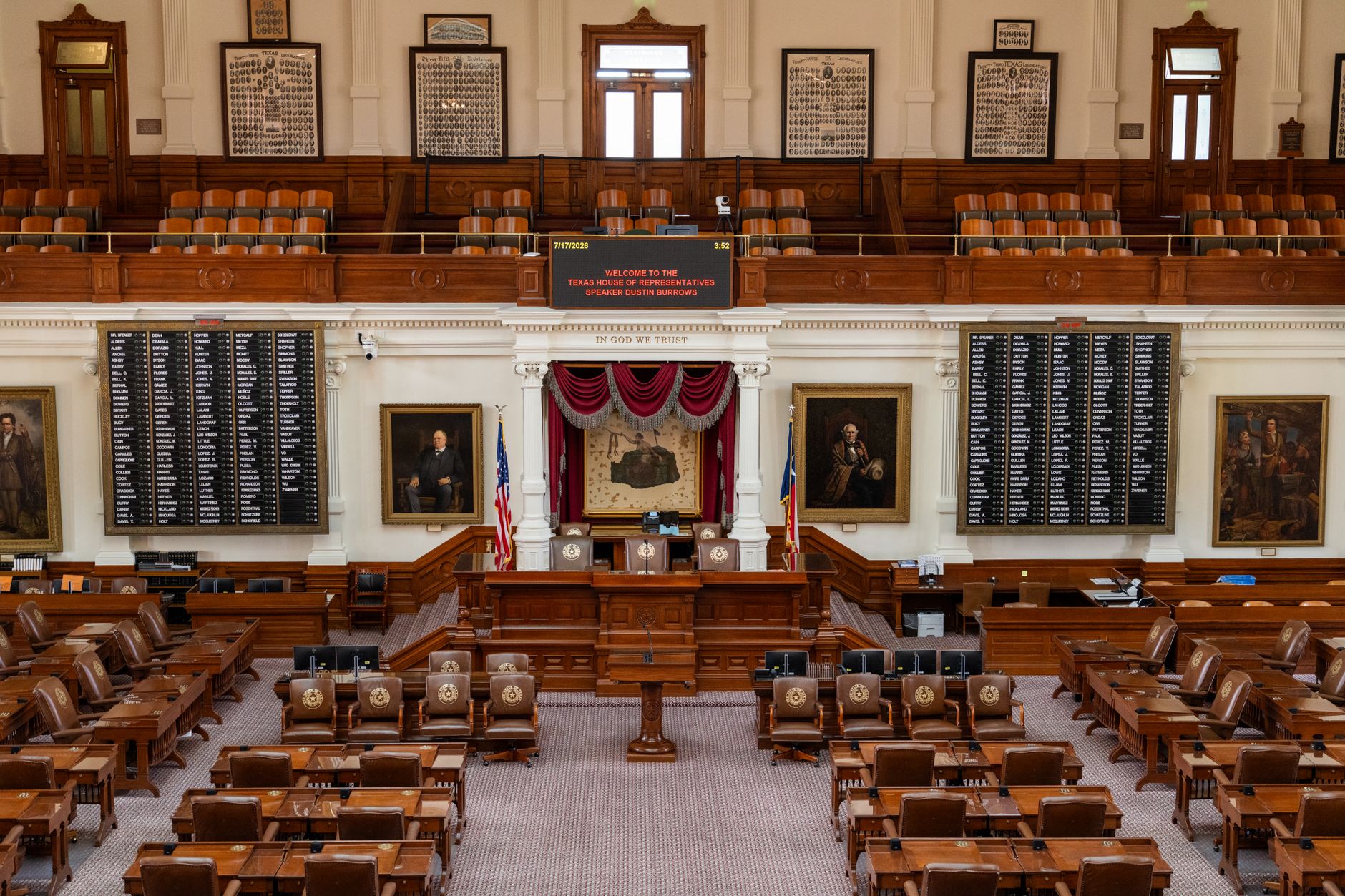
The recent elections saw a significant shift in power at the state level, with Democrats making substantial gains in governorships and legislative seats. This pivotal change has created a clear pathway for new climate and clean energy policies across several states. Experts believe this electoral outcome represents a generational opportunity to lower costs for citizens while simultaneously reducing climate pollution through innovative sustainable solutions. The new political landscape is expected to accelerate the transition to cleaner technologies and more resilient energy systems.
Following Tuesday’s election, Democrats have overturned the previous Republican advantage in state control, clearing the way for a wave of climate and clean energy legislation. The party gained control of governors’ offices in states like Georgia, Iowa, Ohio, Nevada, and Texas, and is set to achieve new "trifectas"—unified control of the governor's office and both legislative chambers—in Michigan, Minnesota, Nevada, Pennsylvania, and Wisconsin, with Arizona likely to follow.
Caroline Spears, executive director of Climate Cabinet, highlighted the profound implications, calling it a “generational political window” to improve lives, lower costs, and cut climate pollution simultaneously. She noted that renewable energy is increasingly affordable and quicker to deploy than traditional fossil fuels, offering rapid benefits to consumers. Similarly, the growth of electric transportation helps reduce greenhouse gas emissions and protects consumers from unpredictable fuel prices.
John Farrell, co-director of the Institute for Local Self-Reliance, expressed enthusiasm for these new opportunities, particularly concerning increased accountability for utility companies. He pointed to Wisconsin, where new leadership could help the state catch up on clean energy initiatives, and Minnesota, where stronger majorities could lead to more ambitious policies. In Michigan, there's growing public support for publicly owned utilities, pushing back against the influence of large energy corporations. This moment signifies a vital step towards environmental protection and a sustainable future, underscoring the urgency of adopting clean, electric solutions that benefit both our planet and our wallets.
These collective actions at the state level are crucial for accelerating our transition away from fossil fuels, emphasizing the importance of sustainable solutions that safeguard our environment and build a more resilient society.