Elon Musk Reveals What Every Future Car Will Soon Need

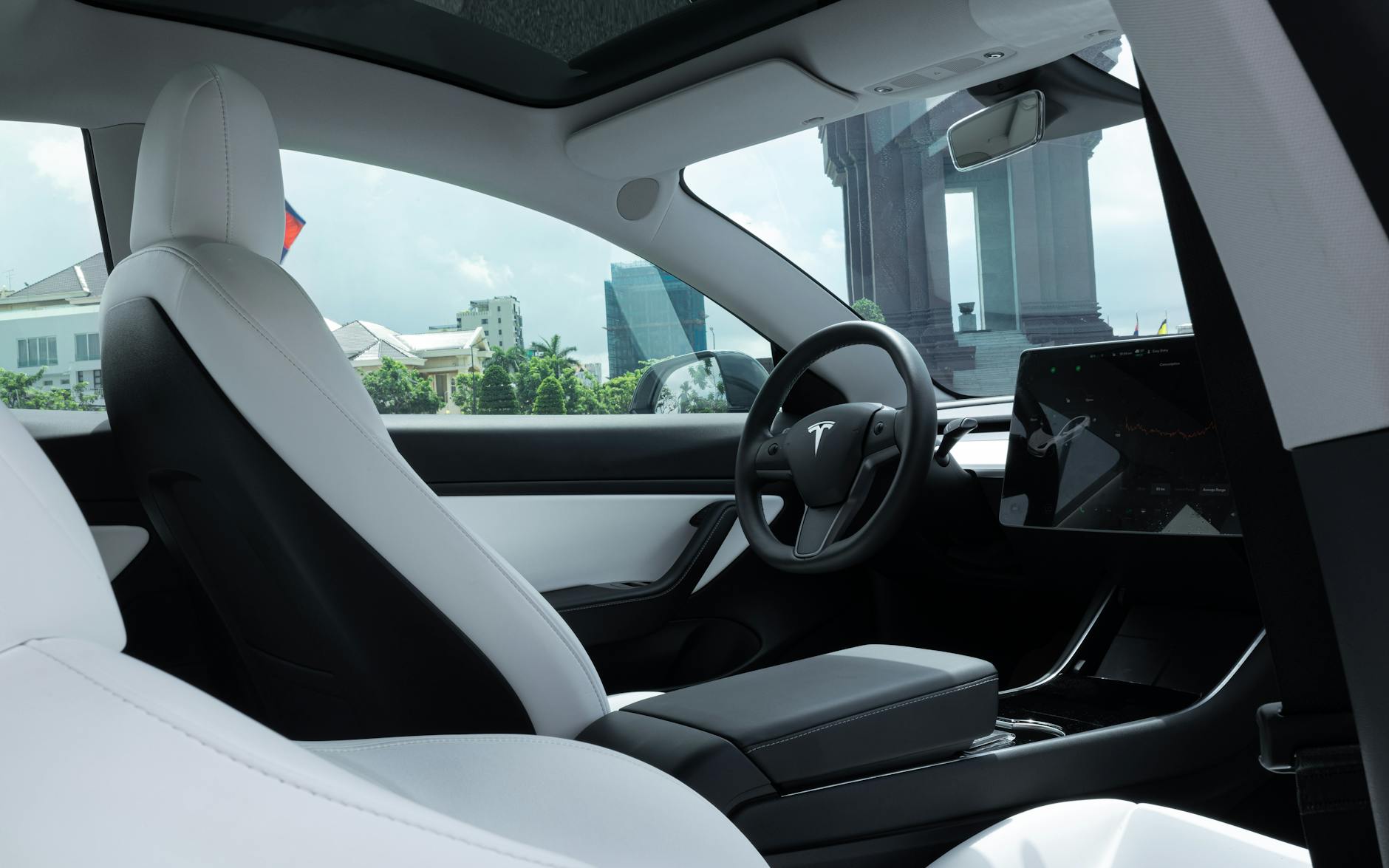
Elon Musk envisions a future where every car relies on satellite internet, specifically Starlink, to handle the massive data demands of artificial intelligence. This bold prediction comes as Tesla's upcoming electric Cybercab is set to ship with Starlink V5 technology built-in, marking a significant step towards this vision. While not for autonomous driving, the satellite link will enhance navigation and rider experience. Musk argues that traditional ground networks simply won't keep pace with the data generated by the next generation of AI-powered, sustainable transportation.
Elon Musk, CEO of SpaceX and Tesla, is championing a radical shift in how cars connect to the internet. He firmly believes that satellite internet, like Starlink, will soon be essential for every vehicle on the road, outperforming traditional fiber or cellular networks. This ambitious vision is driven by the anticipated explosion of data generated by autonomous artificial intelligence (AI) agents, which Musk predicts will soon dwarf human internet traffic. According to him, Starlink is the only system capable of providing the incredibly fast bandwidth these AI systems will demand.
This foresight is already reflected in Tesla's strategic decisions. The company recently confirmed that its upcoming electric Cybercab will feature a Starlink V5 terminal integrated into its roof. While the car's self-driving capabilities will rely on onboard cameras and computing, the satellite link is designed to enhance navigation, streamline customer service, and improve fleet management. Musk has also highlighted that this connectivity will allow riders to enjoy high-quality 4K streaming video during their journeys, elevating the in-car experience. This integration underscores Tesla's commitment to leading the charge in sustainable, connected transport.
Musk has already indicated that Starlink will extend beyond the Cybercab to Tesla's entire future lineup. He sees this not merely as a Tesla feature but as an industry-wide requirement, directly tied to the exponential data consumption of AI systems. SpaceX is also innovating with "Starmind," a proposed constellation of satellites aimed at performing AI computations directly in orbit, bypassing earth-based data centers. Musk even suggests that space will become the most cost-effective place for AI compute within a few years, further solidifying the critical role of satellite technology in our interconnected future.
It's important to note that these advancements are primarily for new vehicle production. Current Tesla owners will continue to use existing LTE and Wi-Fi networks, as no retrofit path has been announced. Musk's core argument remains clear: the future of transportation, particularly electric, AI-driven vehicles, hinges on satellite connectivity because ground-based networks simply won't be able to handle the unprecedented volume of data that robots and AI systems are set to generate. This push towards advanced, sustainable solutions highlights a crucial step in preparing our infrastructure for a cleaner, more automated future.