England's Wildfire Surge: A Concerning New Reality

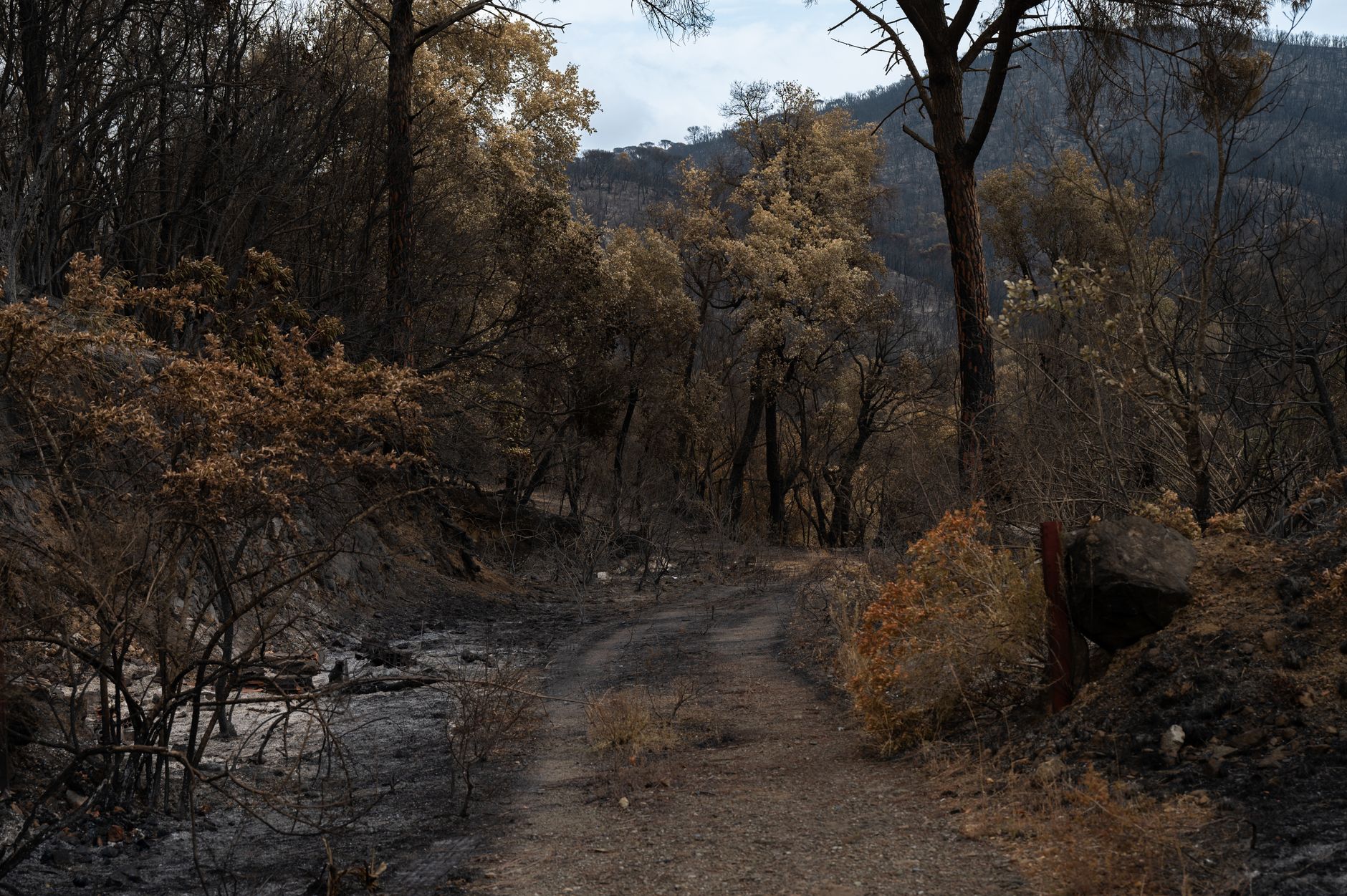
England is facing a dramatic increase in wildfires, with 2026 marking the second-highest year on record. Provisional figures show 1,354 wildfires between January and August, following a record 1,592 incidents in 2022 when temperatures hit an unprecedented 40C. These fires, burning over 1,000 square meters, are devastating natural landscapes and even destroying homes. This alarming trend underscores the urgent impact of prolonged hot and dry conditions, signaling a critical need for action against global warming and for greater environmental resilience. The frequency of these blazes highlights a challenging new normal for the country.
England has experienced a concerning rise in wildfires, with 2026 seeing the second-highest number on record. Provisional data from January to August counted 1,354 major wildfires, defined as outdoor blazes burning over 1,000 square meters of various landscapes like grasslands and woodlands. This follows the record-breaking year of 2022, which saw 1,592 incidents nationwide, fueled by exceptionally high temperatures, including an unprecedented 40C heatwave.
The surge in fires is a stark reminder of our changing climate. For years prior to 2018, England rarely saw more than 721 wildfires annually. However, since then, the numbers have consistently pushed past 1,000 in several years, including 2018 and now 2026, while 2025 was just shy. These intense blazes spread rapidly due to prolonged hot and dry conditions throughout spring and summer, leaving vast areas of land parched and plunging much of England into drought.
The consequences have been devastating for both nature and communities. Incidents this year included a fire that destroyed ancient trees and rare habitats in the New Forest national park. Near Dudley, two blazes tragically engulfed 19 homes as flames spread across hundreds of acres. Important wildlife havens, such as Dunwich Heath and parts of the RSPB Mismere nature reserve along the Suffolk coast, also suffered immense damage. Such widespread destruction underscores the urgent need for environmental protection and sustainable land management practices.
In response to this growing threat, authorities have taken some steps. The British Prime Minister introduced a temporary ban on disposable barbecues last August, recognizing them as a common ignition source. Furthermore, the Housing Department has committed nearly £100 million to boost national resilience and plans a summit with fire services to ensure England is better equipped to handle these increasingly frequent and intense wildfire seasons. This collective effort is crucial as we adapt to a warmer world and work towards more sustainable solutions.