Enhanced Weathering: Where Does Its CO₂ Promise Go?

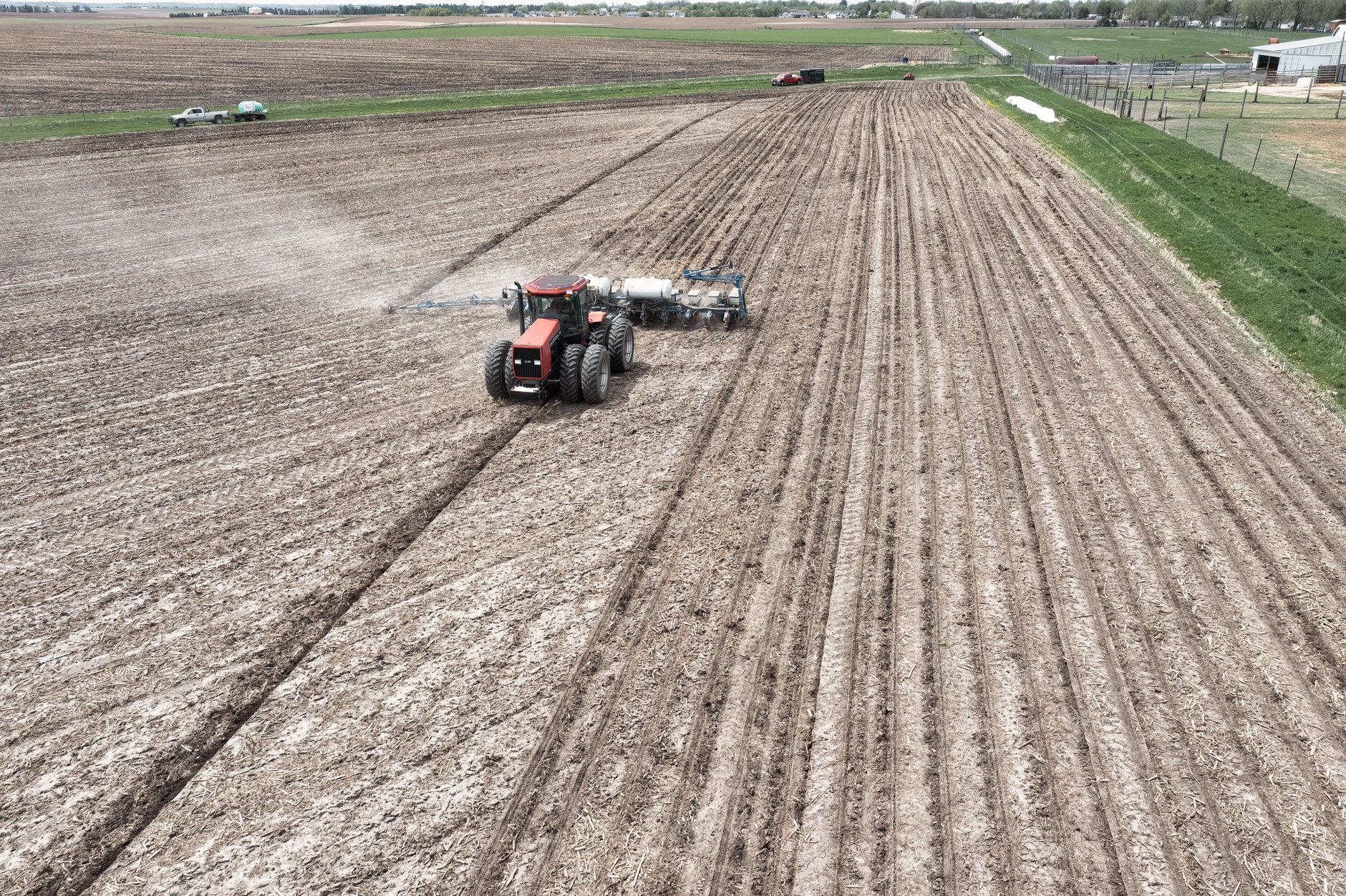
Spreading finely ground rock dust on fields, known as enhanced weathering, holds promise for removing carbon dioxide from our atmosphere. While the idea sounds straightforward, new research highlights a critical challenge: a significant portion of the CO₂ removal potential can be lost before it's permanently stored. From the energy needed to process the rock to reactions in the soil driven by factors like strong acids from fertilizers, various steps can diminish its effectiveness. Understanding these "leakage" points is crucial for ensuring that this nature-based solution truly helps us tackle climate change and reduce global warming. This research underscores the need for careful implementation to achieve genuine and lasting climate benefits.
Enhanced weathering involves spreading finely crushed rock dust on land, aiming to react with atmospheric carbon dioxide (CO₂) and store it long-term. This offers a promising avenue to reduce greenhouse gases and combat global warming. However, new research reveals a significant portion of this theoretical CO₂ removal potential can be lost, making it less effective than imagined.
Even before the rock dust begins its work, the energy used for grinding and transportation creates its own carbon emissions. These initial emissions can sometimes be so high they severely limit the net CO₂ removal, as noted by a comprehensive scientific review from Suhrhoff and colleagues (2026). Once applied, some CO₂-carrying compounds can also be lost in rivers and oceans before reaching permanent storage.
The most substantial challenges occur within the soil itself. Strong acids, often from agricultural fertilizers, can dissolve the rock without actually removing CO₂ from the atmosphere, effectively wasting its potential. Similarly, the formation of certain new minerals, like clays, can hinder permanent carbon removal. A critical issue is secondary carbonates: these chalk-like substances form in the soil and contain carbon, but they are not a durable solution for atmospheric CO₂. Instead, they can re-release CO₂, potentially undoing a large part of the removal effort. These three major pathways drastically reduce the climate benefits.
Understanding and minimizing these losses is crucial. Our planet urgently needs effective, lasting solutions to remove CO₂ from the atmosphere to slow global warming. While enhanced weathering holds immense promise, its true impact depends on carefully addressing these mechanisms. Experts suggest that only a fraction, roughly 10-40%, of the rock’s initial CO₂ removal potential might ultimately result in durable storage, often less. Identifying and tackling these uncertainties is the next vital step to making enhanced weathering a powerful and reliable tool in our fight for a sustainable future.