EPA Loosens Coal Rules, Overlooking a Vital Impact [Health]

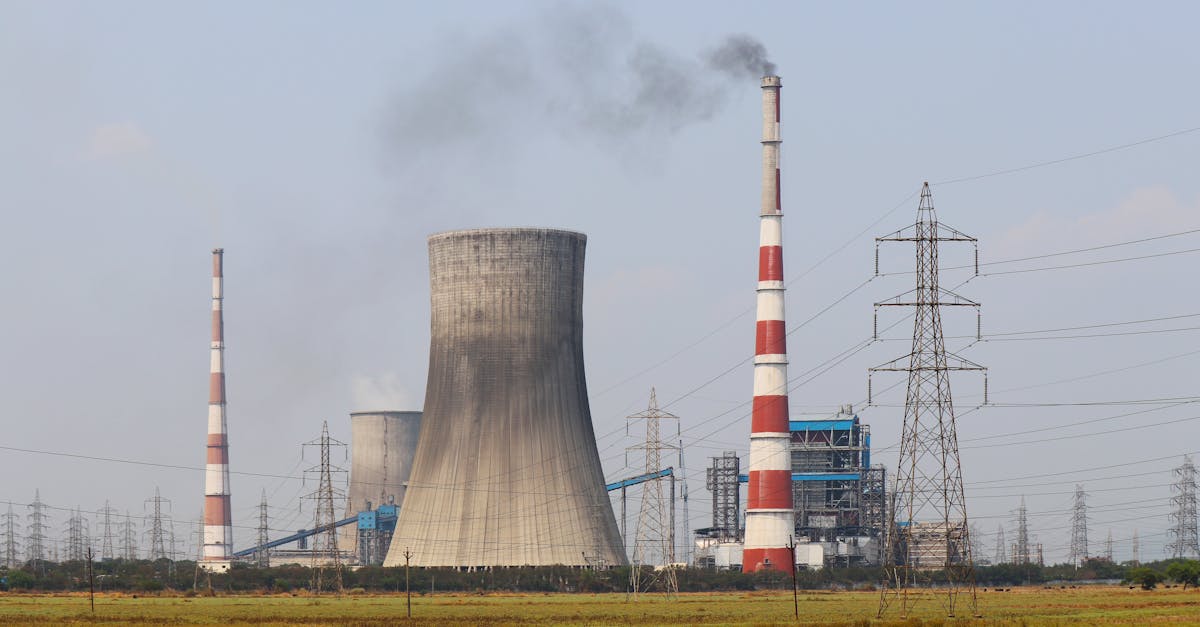
The Environmental Protection Agency recently rolled back tightened 2024 air pollution standards for power plants, claiming it would save $670 million. However, critics argue this figure is misleading because the agency's updated accounting deliberately ignores the significant public health and environmental benefits of cleaner air. This move undermines critical efforts to protect communities from hazardous pollutants and contradicts the urgent need for robust environmental action against climate change and pollution.
Environmental and legal experts are sounding the alarm after the EPA finalized the repeal of stricter air pollution limits for coal and oil-fired power plants. The agency claims this rollback will save money and lower everyday costs, but critics highlight a critical flaw: the EPA's new approach no longer considers the vital public health benefits that these regulations provide. Instead, it focuses only on costs to companies.
While the EPA itself acknowledges health consequences like heart attacks, strokes, asthma, and lung cancer from air pollution, their latest analysis for the repeal deliberately chose not to quantify or monetize these impacts. Previously, the tougher standards were estimated to bring hundreds of millions in health and climate benefits. Pollutants like mercury, lead, and arsenic, released by these plants, are known to cause severe health problems and contaminate vital resources like waterways, where mercury can build up in fish and persist in ecosystems for decades.
Many power plants were already meeting the 2024 standards, meaning this rollback effectively rewards the few facilities that have resisted cleaning up. This decision aligns with the current administration's push to prioritize the coal industry, despite widespread recognition of the urgent need to transition to cleaner energy sources. Embracing sustainable solutions and electrification is crucial for both public health and the environment, offering a clear path away from the dangers of fossil fuels.
Research indicates that even minor changes to these standards can have significant localized health impacts. For instance, temporary exemptions from the 2024 standards were projected to lead to thousands more tons of air pollution and an increase in premature deaths in communities near non-compliant plants. These findings underscore the critical importance of strong environmental protection and collective climate action to safeguard the well-being of all citizens.