EU Carbon Price at €75: What It Means for Green Imports?

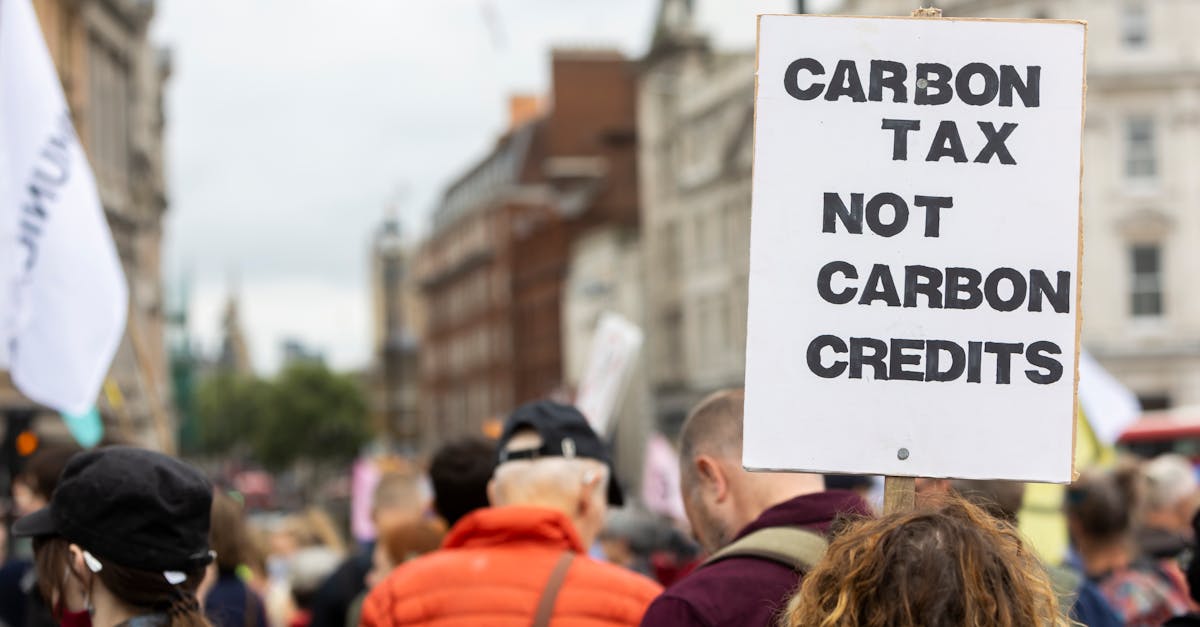
The European Commission has set the Carbon Border Adjustment Mechanism (CBAM) certificate price at €75.36 for early 2026, aiming to level the playing field for products entering the EU. This move comes as the EU Emissions Trading System (ETS) reports a 1.3% drop in emissions in 2025, continuing a significant downward trend since 2005. The ETS has also generated over €258 billion since 2013, funding vital projects for renewable energy, industrial decarbonization, and other sustainable solutions across Europe. These efforts underscore the urgent global shift towards electrification and environmental action.
The European Union is taking decisive steps to accelerate its green transition. By setting the CBAM certificate price, the EU ensures that imported goods with high carbon footprints face similar costs to those produced within its borders, encouraging cleaner manufacturing worldwide. This financial mechanism helps create a fairer market and pushes industries towards more sustainable practices. Meanwhile, the EU's Emissions Trading System (ETS) continues to prove effective, with emissions decreasing significantly, particularly in industrial sectors, powered by the expansion of renewable energy sources. The substantial funds collected through the ETS are directly reinvested into crucial climate and energy initiatives, from developing sustainable transportation and improving building efficiency to pioneering low-carbon industrial projects, all essential for combating global warming.
Beyond Europe, the push for cleaner technologies is gaining momentum. The UK aviation sector is making strides towards net-zero emissions, focusing on sustainable aviation fuels (SAF), hydrogen power, and advanced carbon removal techniques. In a major step for ground transport, Volvo Trucks has unveiled a new hydrogen-powered truck, designed for long distances with significantly reduced emissions, slated for commercial launch before 2030. These innovations highlight the critical role of electrification and sustainable solutions in outperforming traditional fossil-fuel alternatives and safeguarding our environment.
While progress is clear, challenges remain. Microsoft recently paused new carbon removal purchases, signaling a dynamic and evolving market for these solutions. Globally, institutions like the IPCC continue to seek leadership, reflecting the ongoing, urgent need for international cooperation and expertise in addressing climate change. Collective action and sustained investment in green technologies are paramount for securing a sustainable future.