EU Climate Push Hits Turbulence: Aviation's Green Future Divided

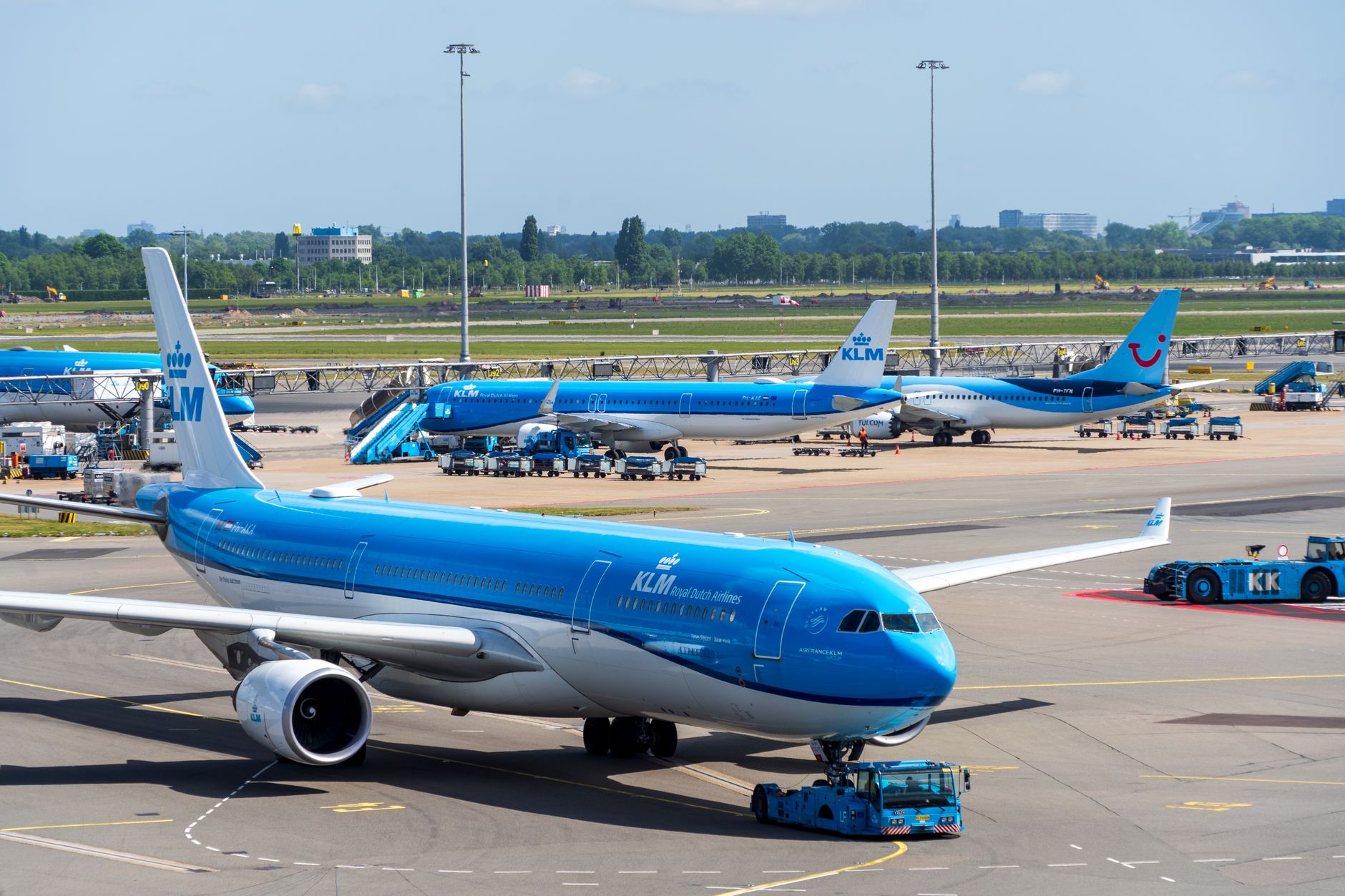
The European Union is overhauling its carbon market, known as ETS, to strengthen climate goals and boost investment in sustainable solutions. This ambitious plan includes expanding its reach to sectors like aviation, aiming for a significant reduction in emissions. However, the move has drawn criticism from the International Civil Aviation Organization (ICAO), which warns of potential double costs and disruption to global efforts for net-zero air travel. Amidst these policy shifts, major companies are making strides in sustainable aviation fuel, underscoring the urgency and complexity of global climate action.
The European Union is taking bold steps to accelerate its transition to a low-carbon economy. Its updated Emissions Trading System (ETS), launched in 2026, is designed to fix past weaknesses, drive innovation, and expand its carbon pricing to new areas like maritime shipping, waste management, and even permanent carbon removal. This move is crucial for Europe to meet its climate targets and reduce its reliance on fossil fuels, fostering energy independence and protecting our shared environment.
However, this expansion isn't without its challenges. The International Civil Aviation Organization (ICAO), a global body overseeing air travel, has expressed serious concerns about the EU's plan to include international flights in its ETS starting in 2029. ICAO fears this could lead to airlines paying twice for their carbon emissions and undermine CORSIA, a global scheme already in place to offset aviation pollution. They argue that a unified, global approach is essential for the aviation sector to achieve its critical net-zero emissions goal by 2050 without creating unnecessary conflicts.
On a more positive note for green aviation, American Airlines and Google have struck a groundbreaking deal. They've committed to purchasing certificates for 35 million gallons of sustainable aviation fuel (SAF) over three years. This "Book & Claim" system allows corporations to support the production and use of cleaner fuels, even if the specific fuel isn't physically delivered to their flights, leading to a significant reduction in carbon footprints. Such agreements are vital in pushing for more sustainable solutions and reducing the environmental impact of air travel.
Beyond aviation, the EU's Carbon Border Adjustment Mechanism (CBAM) is also setting certificate prices to ensure that goods imported into the EU face a similar carbon cost to those produced domestically, promoting fair competition and discouraging carbon leakage. Meanwhile, Brazil is moving forward with public consultations on international carbon credit transfers, signaling a commitment to aligning its carbon market with global standards. These diverse actions highlight the worldwide effort and various strategies being employed to combat climate change and build a more sustainable future.