EU Funds Mega Wind Project. What's the Big Impact?

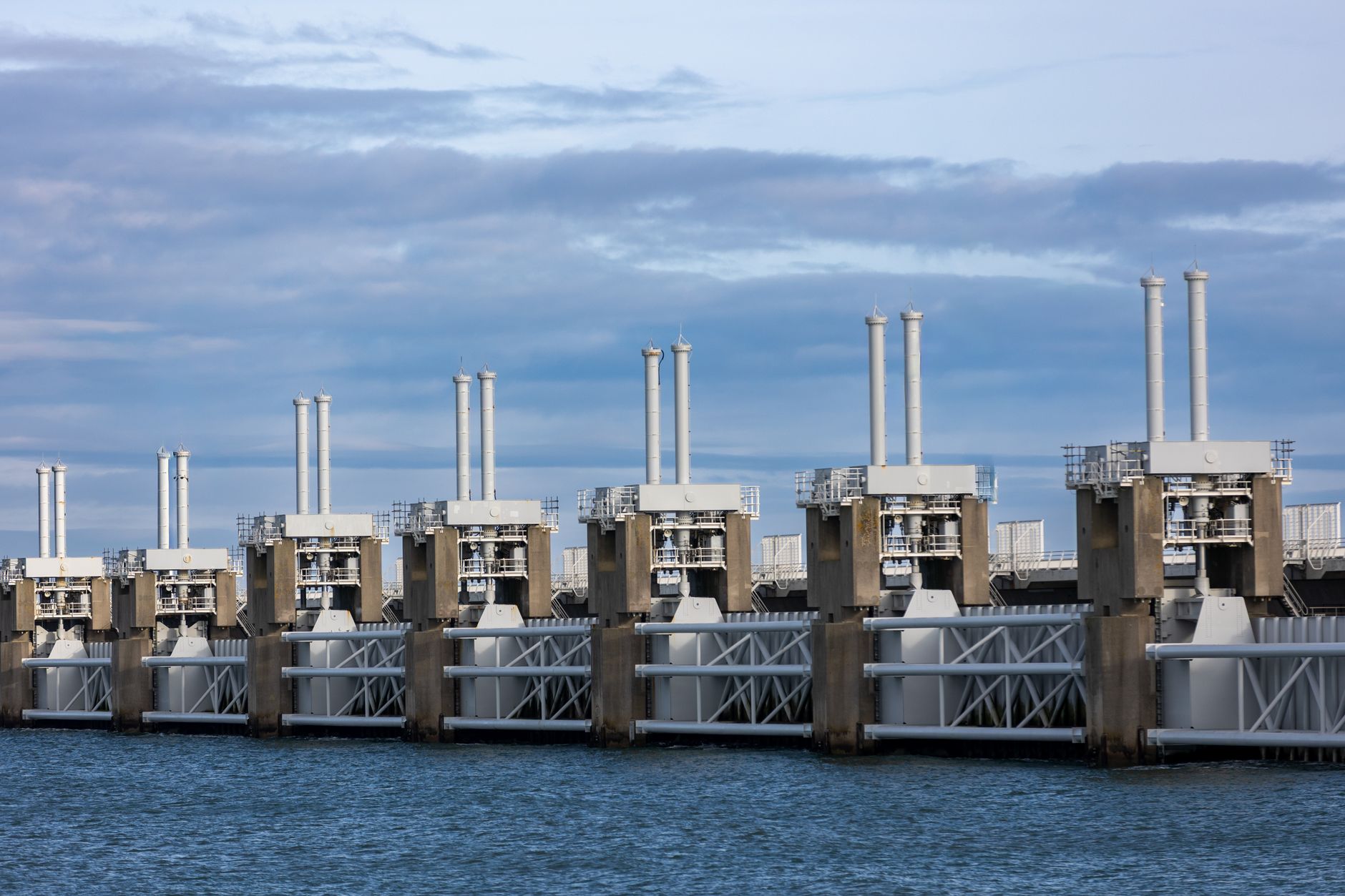
The European Union has approved a substantial €9.45 billion (about US$10.4 billion) Dutch initiative to support two major offshore wind farms in the North Sea. These projects, known as IJmuiden Ver Gamma-A and Gamma-B, aim to add 2 gigawatts (GW) of capacity, generating enough clean electricity to power millions of homes annually. This vital financial backing helps overcome rising costs and market uncertainties, pushing the Netherlands closer to its ambitious climate targets and significantly reducing carbon emissions. It's a clear step towards a future powered by clean, renewable energy.
The European Commission has given the green light to a €9.45 billion scheme to support two new offshore wind farms off the Dutch coast. This financial approval is crucial for developing the IJmuiden Ver Gamma-A and Gamma-B projects, which are set to generate a massive 7,441 gigawatt-hours of clean electricity each year.
This move comes at a critical time when global warming demands urgent action, and higher costs are making large-scale renewable projects harder to finance. The new scheme, called TOWOZ, helps attract developers by offering support when market prices are low, but it also prioritizes bids that don't need subsidies, ensuring public funds are used wisely. It's a smart way to accelerate our shift to greener power, cutting down on pollution and our reliance on fossil fuels.
These two wind farms alone are expected to prevent around 147 million tonnes of carbon dioxide equivalent emissions over their lifetime. This massive reduction highlights the crucial role electrification plays in tackling climate change. Offshore wind, with its consistent power generation, is a cornerstone of this transition, offering a sustainable alternative to polluting energy sources.
Beyond just generating power, the initiative also strengthens Europe's clean energy industry. The tenders will include rules from the EU’s Net-Zero Industry Act, which aims to diversify the supply chains for wind turbine parts. This helps reduce Europe's dependence on foreign imports and builds a more secure, local green economy.
Environmental protection remains key; Dutch rules require temporary shutdowns during heavy bird migration to minimize impact. While the offshore wind industry faces challenges like inflation and supply chain pressures, this robust EU support mechanism helps ensure these vital projects can move forward. Such investments underscore the collective effort needed to protect our planet and build a sustainable future.