EU's Climate Overhaul Sparks Global Aviation Concerns. Why?

Europe is stepping up its climate action with a major overhaul of its carbon market, aiming to accelerate decarbonization and expand investments in cleaner industries. This ambitious move includes plans to extend carbon pricing to international flights. However, this has drawn sharp criticism from the global aviation body, ICAO, which warns of potential disruptions to coordinated international efforts for net-zero emissions. Meanwhile, positive strides are being made in sustainable aviation, highlighted by a landmark deal between American Airlines and Google for sustainable aviation fuel, underscoring the ongoing push for cleaner transport solutions.
The European Union is strengthening its key carbon market, the EU ETS, to better achieve its climate goals and drive industrial decarbonization. This review, announced on July 17, aims to correct past weaknesses, channeling more funds back into European industry for innovation and a low-carbon transition. It emphasizes expanding electrification, with an indicative target of 46% electrified energy demand by 2040, which could cut fossil fuel imports significantly. The plan also includes a new €100 billion Industrial Decarbonization Bank and requires member states to reinvest at least 50% of national ETS revenues into climate action.
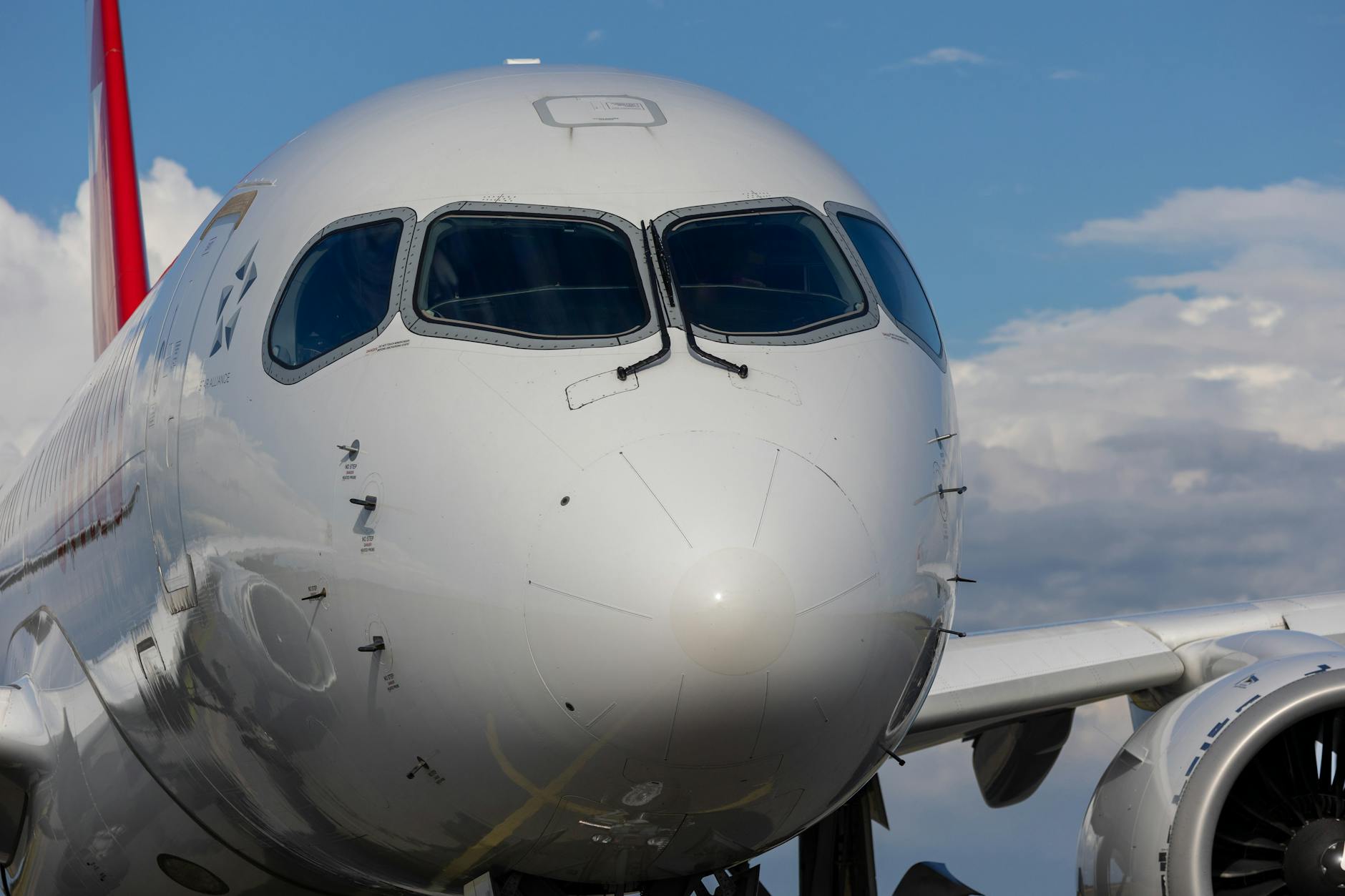
However, this intensified climate focus has created tension, particularly with the aviation sector. The International Civil Aviation Organization (ICAO), a UN agency coordinating global aviation, voiced strong concerns on July 17, 2026, regarding the EU's proposal to extend the ETS to international flights starting in 2029. ICAO warns that this unilateral expansion could lead to double carbon costs, regulatory inconsistencies, and undermine its own global offsetting scheme, CORSIA. Such a move, according to ICAO, threatens the international cooperation essential for the aviation sector to reach its ambitious net-zero emissions target by 2050, emphasizing that fragmented approaches hinder global climate action.
Despite these policy debates, the push for sustainable solutions continues to gain momentum. American Airlines and Google recently announced a record-breaking agreement for sustainable aviation fuel (SAF) certificates, equivalent to 35 million gallons of SAF over three years. This landmark deal, facilitating the reduction of nearly 300,000 tons of CO₂e, utilizes the voluntary Book & Claim system, where the emissions benefits of SAF are transferred to corporate buyers, even if the physical fuel isn't directly used on their specific flights. This highlights the growing corporate commitment to cleaner air travel and the increasing viability of sustainable aviation fuels, which are crucial for reducing the environmental footprint of flights.
In other climate news, the European Commission has set the price for its Carbon Border Adjustment Mechanism (CBAM) certificates at €75.36 for the first quarter of 2026, aligning import costs with domestic carbon prices to prevent 'carbon leakage' from industries. Additionally, Brazil has opened a public consultation on rules for internationally transferred mitigation outcomes (ITMOs) under Article 6 of the Paris Agreement, a crucial step in structuring its carbon market. Looking ahead, the COP31 climate summit, set for November 9-20, 2026, in Antalya, Turkey, has unveiled Caretta, an ancient loggerhead turtle, as its mascot, symbolizing resilience and the enduring need for climate action. The event also actively seeks 5,000 young volunteers to join this global movement for sustainability.