EU's Climate Strategy: What Key Carbon Solutions Are Missing?

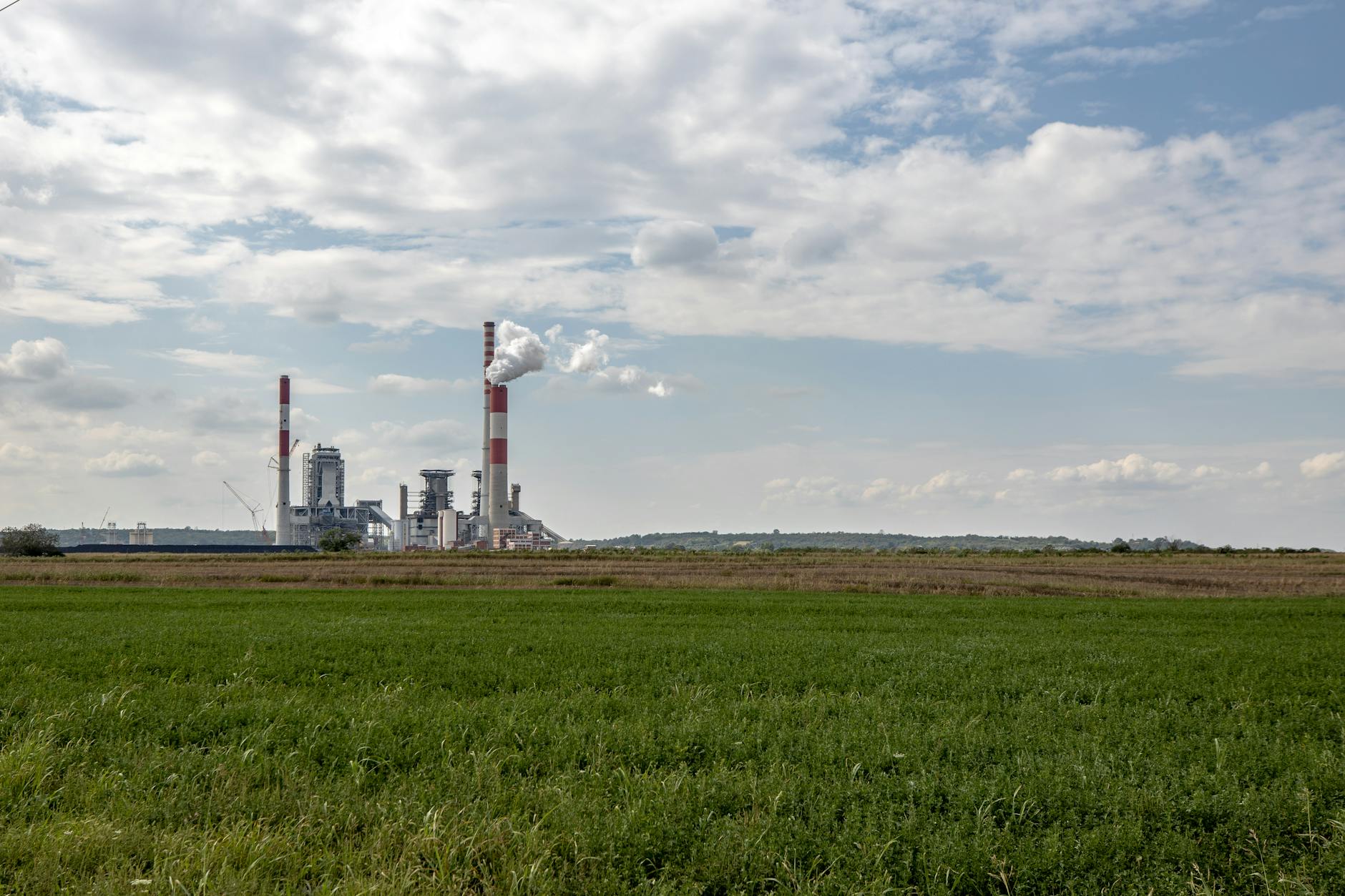
The European Union is poised to become the world's leading purchaser of permanent carbon removal, a crucial step in battling global warming. However, a recent proposal for its Emissions Trading System (ETS) currently limits this significant investment to just two specific technologies: bio-energy with carbon capture and direct air capture. This narrow focus could hinder Europe's climate goals and prevent a robust, continent-wide industry from flourishing. Embracing a wider range of certified carbon removal methods is essential for fostering innovation and accelerating our collective journey towards a sustainable future.
The EU plans to allocate substantial funds, drawing from 250 million allowances between 2031 and 2040, to buy carbon removal units as part of its updated Emissions Trading System (ETS). However, the initial proposal for this vital climate action narrowly focuses on just two technologies: bio-energy with carbon capture (Bio-CCS) and direct air capture with storage (DACCS). This limited approach risks overlooking other crucial methods like biochar, enhanced rock weathering, and mineralization. Notably, the EU's own Carbon Removal Certification Framework (CRCF) already certifies biochar and is ready to approve further diverse solutions as scientific understanding advances.
Such a restricted focus doesn't just hinder innovation; it also creates an uneven playing field. Our data reveal that the current plan would largely benefit companies in only 13 of the 27 member states. This concentration limits the growth of a widespread European carbon removal industry, leaving 16 other member states and their significant research bases undervalued.
Fortunately, many lawmakers in the European Parliament are advocating for a more inclusive strategy. They propose supporting all permanent removal activities certified by the CRCF, allowing scientific progress to guide policy rather than sticking to a fixed list. By embracing a diverse range of carbon removal technologies, the EU can forge a stronger, more resilient path towards its ambitious climate goals, ultimately strengthening environmental protection and fostering sustainable development across Europe.