EU's Green Path: Major Carbon Market Shifts Arrive

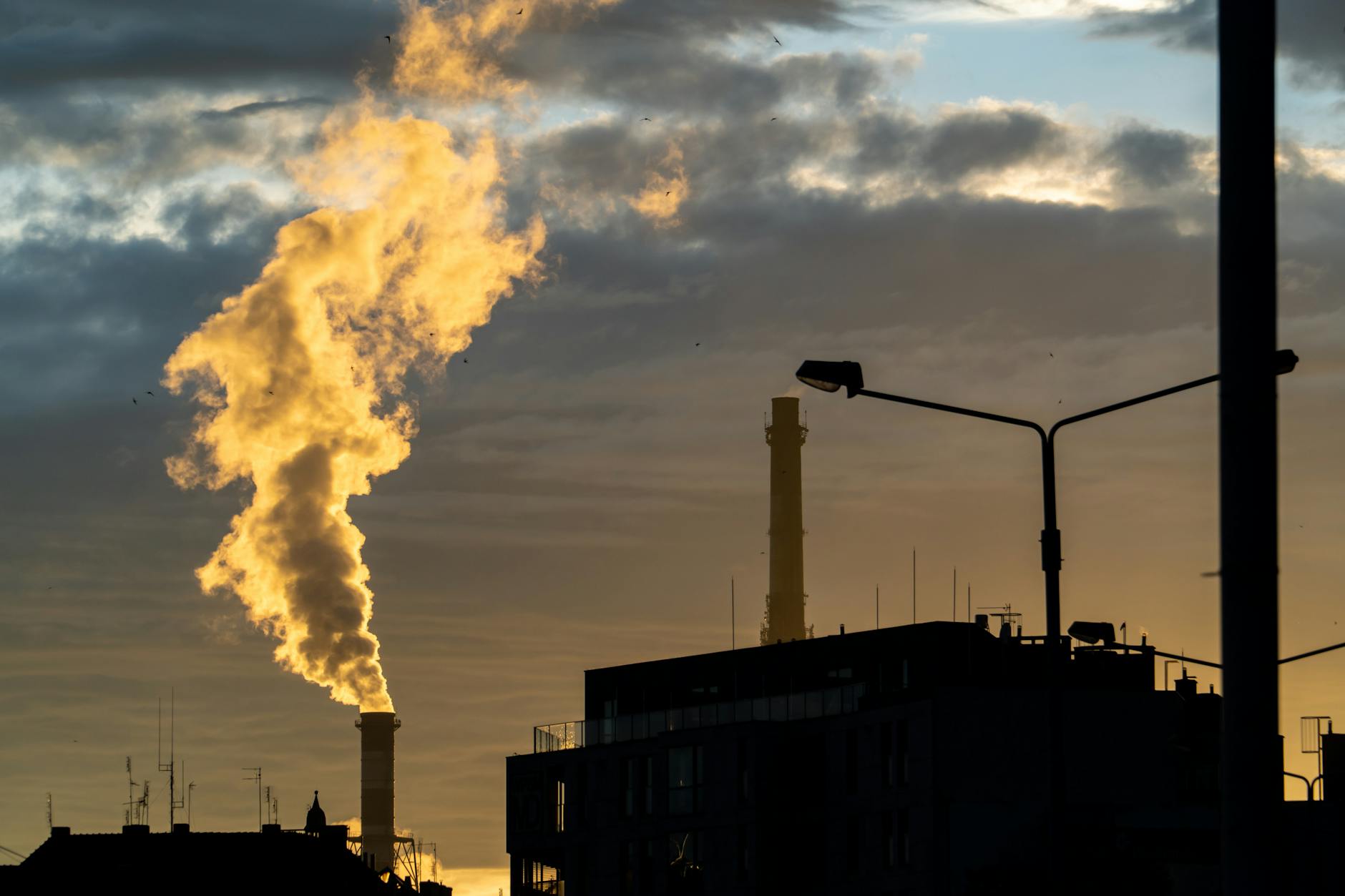
The European Union has announced its most significant overhaul of the carbon market in years, aiming to keep its climate goals on track while supporting industry. This ambitious plan seeks to reduce greenhouse gas emissions by 90% by 2040 and achieve climate neutrality by 2050. The reforms will reshape how Europe manages carbon emissions, funds industrial decarbonization, and supports groundbreaking clean technologies. It's a critical move to tackle global warming, showing a commitment to sustainable solutions and a cleaner future for all.
The European Union is taking a huge step with its latest plan for the EU Emissions Trading System (EU ETS), which is central to Europe's fight against climate change. The idea is to give heavy industries, like steel and cement makers, more time and help to drastically cut down their pollution. This means a slightly slower pace for reducing carbon allowances after 2030, a careful balance designed to keep industries competitive as they transition to cleaner ways of operating, all while pushing towards net-zero emissions.
To make this transition happen, the EU is boosting investments in green technology. A new €100 billion Industrial Decarbonisation Bank will fund clean projects across Europe, supporting innovations like hydrogen production, carbon capture, and advanced batteries. Companies will receive free carbon allowances only if they invest in decarbonization, ensuring that money from the carbon market directly supports environmental progress. This approach highlights the importance of sustainable solutions and helps move away from fossil fuels.
The carbon market itself is also expanding. It will now cover more sectors, including aviation, maritime transport, and even municipal waste incineration. This broader scope helps close loopholes, ensuring a fairer system where more industries contribute to reducing harmful emissions. Since its start, the EU ETS has already helped cut emissions by about 50% in covered sectors, generating significant funds for climate action.
Perhaps one of the most exciting changes is the inclusion of permanent carbon removals, like Direct Air Capture and biochar. This marks a historic shift, recognizing that simply cutting emissions isn't enough; we also need to actively remove existing carbon from the atmosphere. These technologies offer vital flexibility for industries where cutting emissions is especially challenging, pushing us closer to a truly climate-neutral future.
Complementing these changes, the EU has also released an Electrification Action Plan. This plan emphasizes making electricity cheaper and more accessible than fossil fuels, accelerating the adoption of electric vehicles and heat pumps. Driving an electric car can save you up to 78% compared to a gas car, and heat pumps can cut heating bills by up to 60%. These electric solutions are not only better for our planet by reducing our reliance on dirty energy but also offer clear financial benefits. The EU's goal is to power its economy with clean, homegrown electricity, reducing dependency on imported fossil fuels and making Europe the world's first 'electro-powered continent'. This collective push towards electrification is a powerful step in addressing the urgency of global warming and securing a cleaner, more sustainable future.
Overall, these proposals transform the EU ETS from just a pollution pricing tool into a broader strategy for investment and industrial policy. They represent a comprehensive effort to achieve ambitious climate targets while supporting economic growth and technological innovation.