Europe Eyes Cybercab: Can Driverless Tech Reshape Cities?

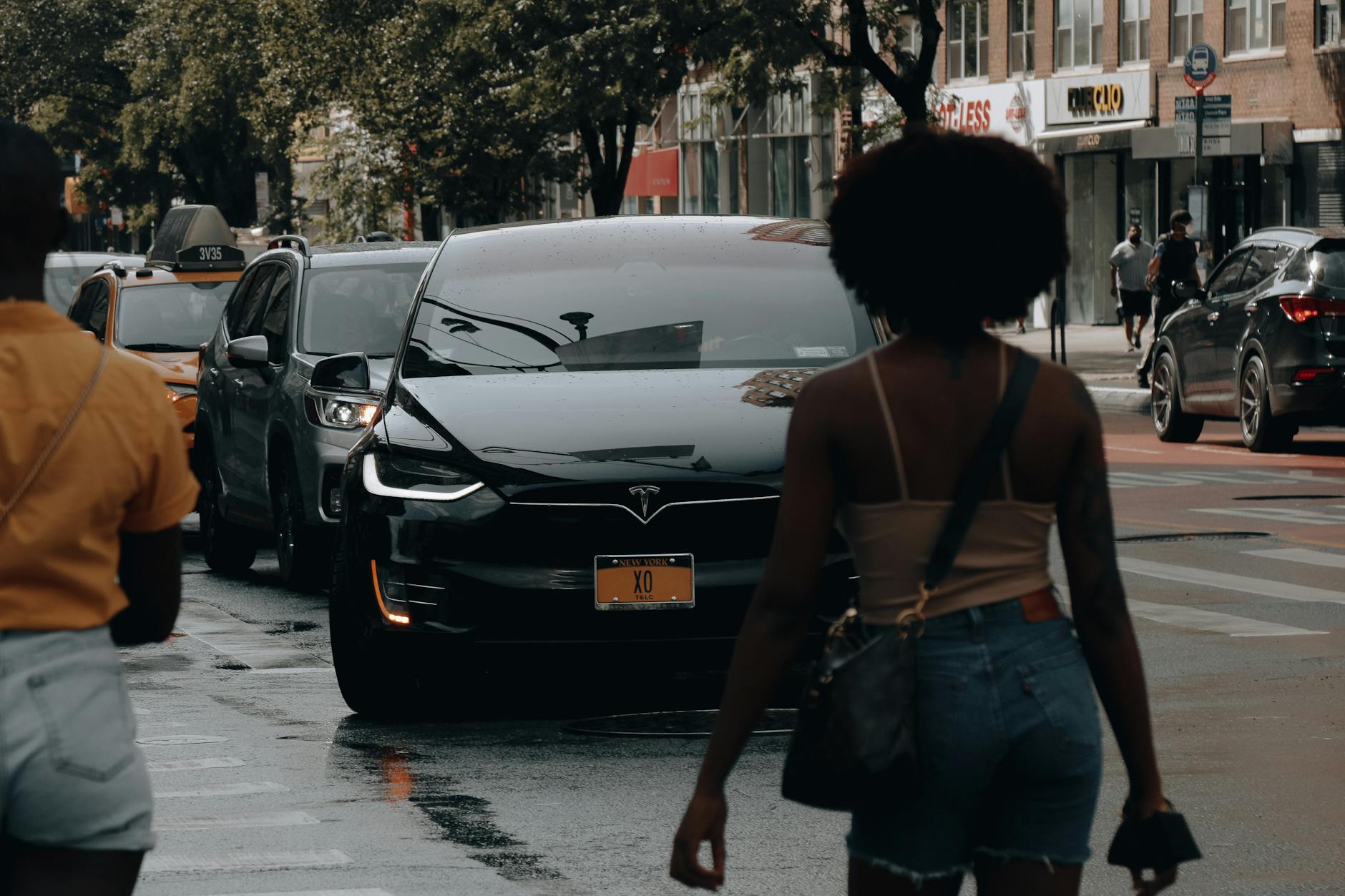
Tesla's futuristic Cybercab, a fully driverless and pedal-free electric vehicle, is currently chauffeuring passengers in Austin, Texas, as part of the new Robotaxi service. CEO Elon Musk hopes to expand this innovative transport solution to Europe soon, envisioning a greener, more efficient urban future. These silent, emission-free taxis represent a significant step towards sustainable city living, offering a cleaner alternative to traditional ride-hailing. However, strict European regulations pose a considerable hurdle to its swift deployment across the continent.
The Cybercab, a two-seat electric vehicle entirely reliant on Tesla's Full Self-Driving software, has launched to public acclaim in Austin. Early users describe the experience as remarkably quiet, smooth, and more stylish than other robotaxi services. This purpose-built design, without a steering wheel or pedals, embodies a bold vision for transportation that could revolutionize how we move through cities, significantly reducing local air and noise pollution.
While a small fleet of Cybercabs operates alongside conventional Model Y robotaxis in Texas, the ambition is much larger. Elon Musk has clearly expressed his desire for Europe to be the next market. He recently responded to a German passenger's hope for the Cybercab to arrive soon, stating, "Hopefully soon in Europe too."
However, the path to European streets is complex. Unlike the United States, the European Union has stringent type-approval rules, preventing manufacturers from self-certifying vehicles. Regulations also limit the number of automated vehicles per type per year. Tesla has not yet outlined a specific European launch city or approval strategy, acknowledging that the process for unsupervised robotaxi operation will be "somewhat at the mercy of the governments in Europe and the EU."
Despite these regulatory challenges, the potential impact of electric, driverless services like the Cybercab on environmental sustainability is immense. By offering a convenient, zero-emission alternative, these vehicles can help reduce urban traffic, lower carbon footprints, and foster cleaner, more livable cities. The journey to widespread adoption in Europe will depend on a collaborative approach between technological innovation and regulatory frameworks, emphasizing the urgency of transitioning to sustainable transport solutions.