Europe Just Invested Billions in a Cleaner Future. What Changed?

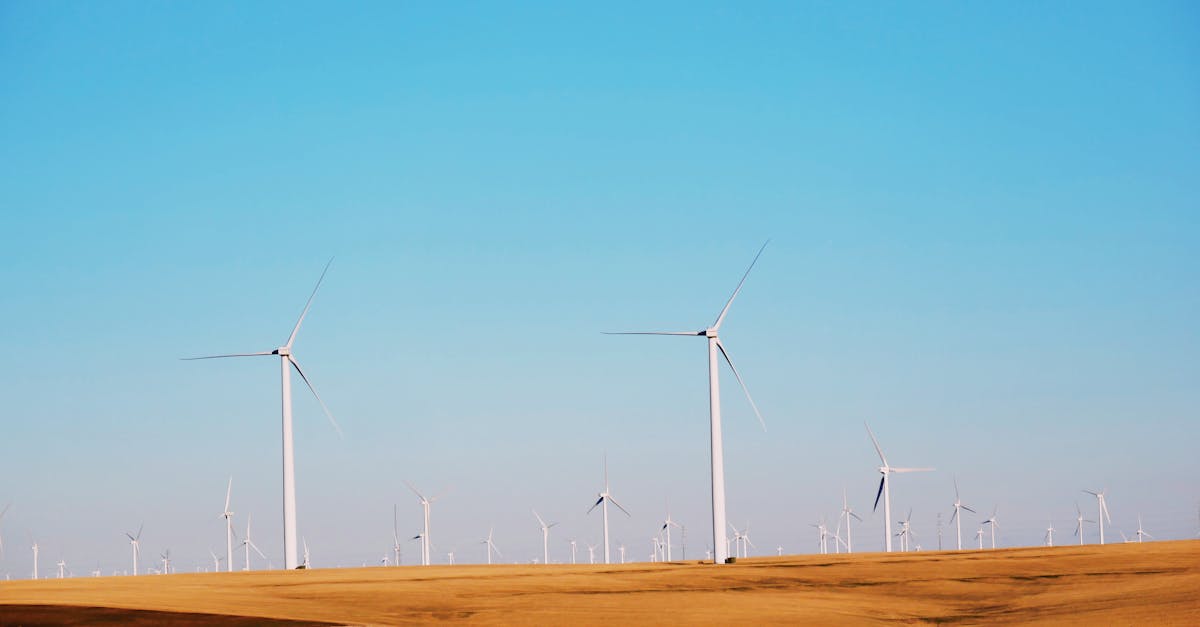
The European Commission has launched a massive €5.2 billion funding package to accelerate clean technology innovation. This significant investment, drawn from the EU Emissions Trading System, aims to drive Europe towards a low-carbon future by supporting net-zero projects, hydrogen production, and industrial heat decarbonization. It’s a crucial step in the urgent global effort to combat climate change, showing Europe’s strong commitment to transitioning to sustainable solutions and a greener economy.
The European Commission has committed €5.2 billion from its Innovation Fund, sourced from the EU’s carbon market, to boost cutting-edge clean technologies. This funding package targets three key areas: net-zero technology projects, hydrogen production, and the decarbonization of industrial heat. This broad approach is designed to help industries significantly reduce their reliance on fossil fuels and move towards cleaner, more sustainable practices.
Nearly €3 billion is dedicated to net-zero technology projects across 19 sectors and 18 countries, including steel, cement, chemicals, renewable energy, and clean mobility. These projects are expected to prevent 221 million tonnes of CO₂ emissions over their first decade, which is like taking nearly 10 million average European cars off the road for a year. The high demand, with applications totaling over nine times the available budget, highlights the urgent need and strong interest in green solutions.
Another €1.3 billion will fund hydrogen production through the European Hydrogen Bank. Hydrogen is vital for heavy industries, shipping, and aviation—sectors that are hard to electrify. By subsidizing clean hydrogen, the EU aims to make it more competitive against fossil fuels like natural gas and oil, ensuring a growing supply of this critical clean energy source.
Finally, €1.0 billion is allocated to decarbonizing industrial process heat, a particularly challenging area. Factories often use fossil fuels for high-temperature processes, but this funding will support innovative technologies such as heat pumps, electric boilers, and geothermal energy. This will help energy-intensive industries reduce emissions while staying competitive.
This timely funding package is a cornerstone of Europe’s climate goals under the European Green Deal. The overall Innovation Fund plans to mobilize up to €40 billion by 2030, reinforcing Europe's commitment to climate neutrality. By investing in these solutions, the EU is not only tackling climate change but also reducing dependence on imports, creating new jobs, and securing a sustainable industrial future.
The funding mechanism itself is ingenious: the EU Emissions Trading System (ETS) requires companies to pay for their greenhouse gas emissions. These payments are then reinvested directly into clean energy projects, renewable fuels, and low-carbon industries across Europe. This system ensures that polluters contribute to the transition to a greener economy.
As these projects move forward in 2026 and beyond, the combined impact could significantly accelerate Europe's clean energy transition, dramatically reduce emissions from heavy industry, and build a robust foundation for green technologies. This bold move by the European Commission underscores the vital importance of sustainability and collective climate action for our planet.