Europe's Biggest Carbon Capture Plant Launched. What's Next for Industry?

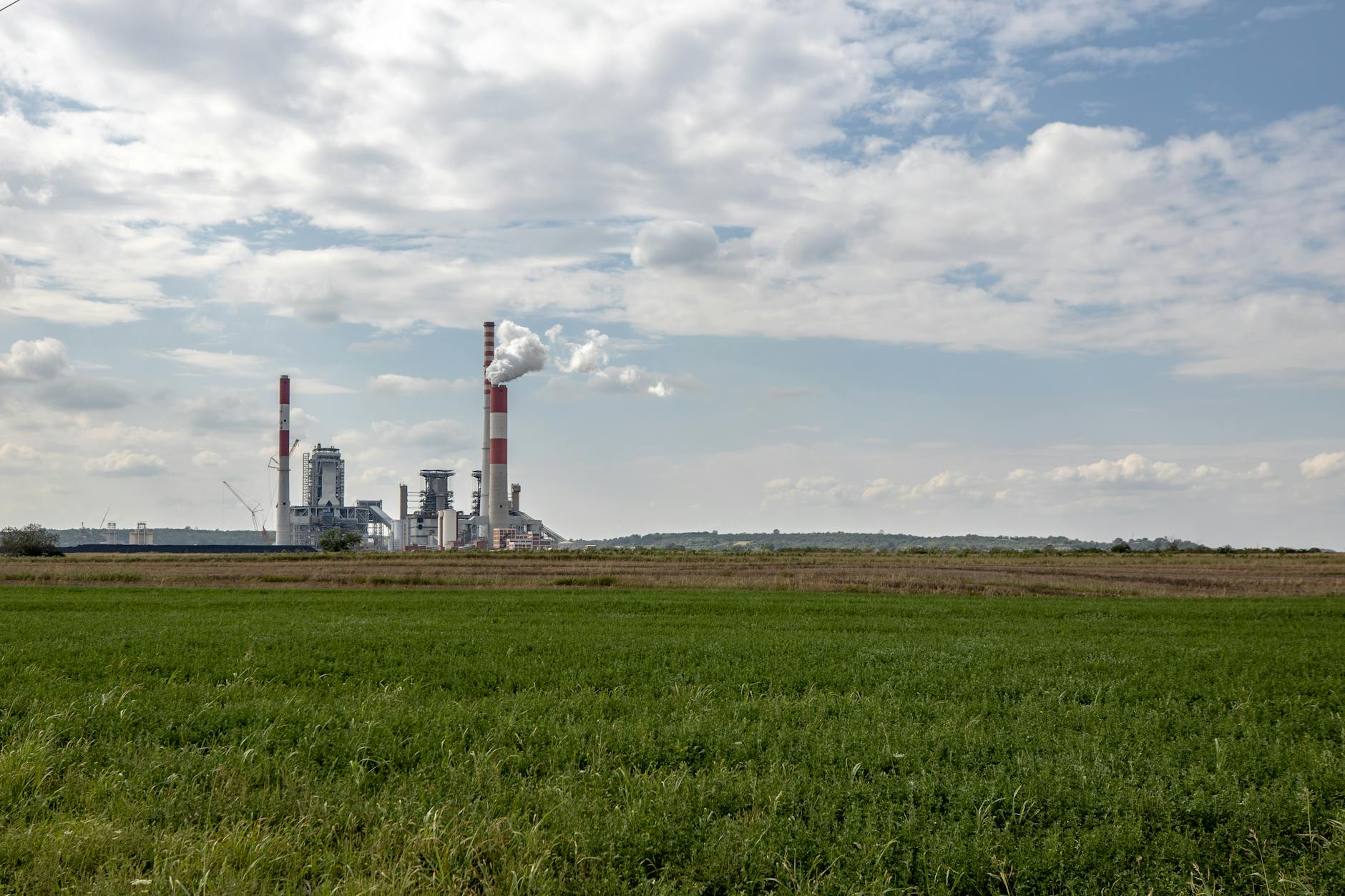
Europe has just launched its largest industrial carbon capture facility in the Netherlands, marking a significant stride in the fight against climate change. Located at Yara International's Sluiskil plant, this groundbreaking facility will prevent up to 800,000 metric tons of CO2 from entering our atmosphere annually. The captured carbon will then be transported across borders to Norway, where it will be permanently stored deep beneath the North Sea. This pioneering project offers a vital model for hard-to-abate industries across the continent, highlighting the urgent need for innovative solutions to achieve ambitious climate goals. It demonstrates that large-scale industrial decarbonization is not only possible but happening now.
Europe has launched its largest industrial carbon capture and storage facility in the Netherlands, a major step forward for tackling emissions from heavy industry. Opened at Yara International’s Sluiskil plant, this facility aims to capture an impressive 800,000 metric tons of CO2 each year from its fertilizer production. Over the next 15 years, it plans to stop about 12 million tons of carbon dioxide from reaching our atmosphere, showcasing a vital pathway for cleaner industrial operations. This project isn't just big; it's also a pioneering example of how emissions can be managed across national borders.
The process is straightforward: CO2 from the plant is captured and then turned into a liquid. This liquefied carbon is then loaded onto specialized ships by Northern Lights, a Norwegian company. It travels to Norway's coast before being pumped through pipelines and permanently stored deep beneath the North Sea seabed. This complete system — from capture in one country to storage in another — sets a powerful precedent, proving that large-scale industrial decarbonization is not just a future dream but a present-day reality.
Why does this matter so much? Industries like fertilizer manufacturing face unique challenges in cutting emissions, as their processes often create CO2 that's hard to eliminate through other means. The European Union sees carbon capture as a critical tool, aiming to achieve at least 50 million tons of annual CO2 injection capacity by 2030 under the Net-Zero Industry Act. Projects like Yara's are essential for meeting these ambitious climate targets, helping European industries reduce their environmental footprint and align with global efforts to slow warming. By preventing these emissions, companies also manage their obligations under Europe’s carbon pricing system, which makes environmental action economically sensible.
This initiative is a key part of Yara's wider commitment to reducing its environmental impact, as detailed in its 2025 Annual Report, showing how big companies can integrate climate solutions into their core business. It highlights that maintaining crucial industries and jobs in Europe can go hand-in-hand with cutting harmful emissions. As global warming continues to accelerate, the development and adoption of such sustainable solutions are more urgent than ever. Every step taken to reduce carbon output, especially from hard-to-abate sectors, contributes significantly to a healthier planet.
Ultimately, Yara’s Sluiskil project is a real-world test for Europe’s climate strategy. It demonstrates that effective, large-scale systems for capturing, transporting, and storing industrial CO2 are achievable now. This project underscores the importance of environmental protection and collective climate action, proving that even the most challenging industrial emissions can be tackled with innovation and cross-border cooperation. It's a clear message that a cleaner future for industry is within reach, provided we continue to invest in and implement sustainable technologies.