Europe's Blazing Summer: What The 'Climate Alarm' Really Means

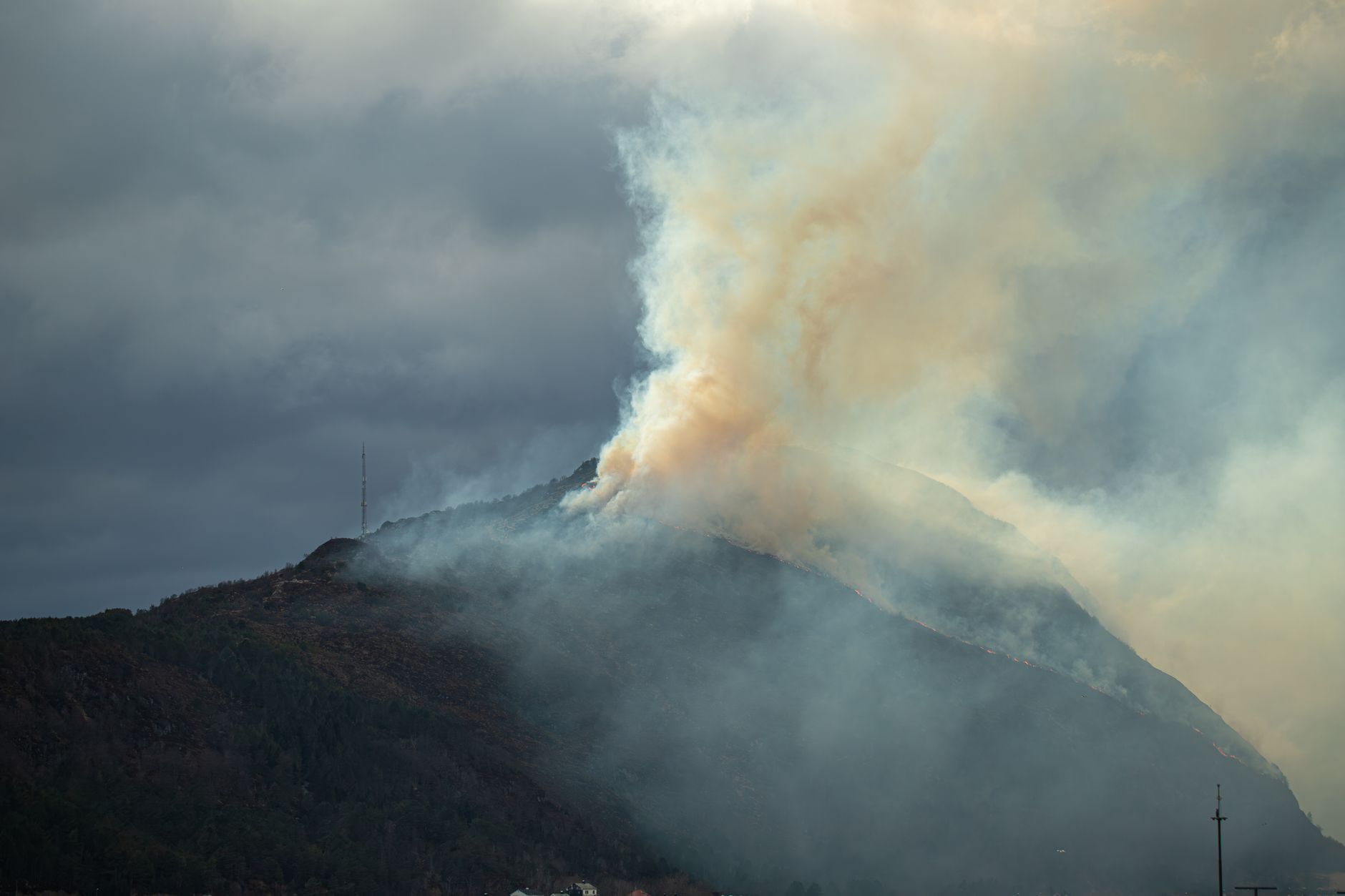
This summer, Europe experienced record-breaking heatwaves and devastating wildfires, claiming thousands of lives and forcing hundreds of thousands to flee their homes. These extreme events, including unique 'fire clouds,' are stark reminders of how quickly our climate is changing. Experts warn that current efforts are too slow, underscoring the urgent need for global leaders and industries to take decisive action to prevent a far worse future. The time for meaningful climate action is now.
The summer of 2026 delivered a harsh wake-up call, as Western Europe endured its hottest June on record, fueled by unprecedented sea surface temperatures. This intense heat led to over 10,000 excess deaths in Europe alone, with the elderly being most vulnerable. The resulting dryness created ideal conditions for widespread wildfires across Spain and France, which have ravaged landscapes, forced 375,000 people to evacuate, and are predicted to burn until early November. These fires even created their own weather systems, known as 'pyrocumulonimbus clouds' or 'fire clouds,' generating their own winds and lightning.
The human cost is immense, with destroyed homes, scorched land, ruined local economies, and hazardous smoke impacting health. These events clearly show that the consequences of a warming planet are not a distant threat, but a present reality. The UN climate chief, Simon Stiell, declared, “The climate alarm is blaring, from every direction,” urging us to act with the necessary force and speed.
To prevent an unmitigated disaster of violence, starvation, and forced migration, governments must act immediately. This includes ending fossil fuel subsidies, stopping all new fossil fuel projects, and massively boosting renewable energy production. It also means investing in climate adaptation and resilience, protecting and restoring natural ecosystems like wetlands and forests, and removing polluting industries from climate policy negotiations. These actions are vital for building a sustainable and secure future.
Industry also has a critical role to play. Businesses must publish credible plans for 'real-zero' emissions, not just net-zero pledges, covering their entire supply chains. Banks and insurers need to stop financing new oil and gas ventures, redirecting funds towards clean energy, which is already proving more cost-effective—91% of new renewable projects are now cheaper than fossil fuel alternatives IRENA. Building climate risk into core business plans and actively supporting ambitious climate regulations are essential. The pathway to a better future is within reach, as seen with China’s CO2 emissions stabilizing or falling due to renewable investments Carbon Brief. Investing in renewable energy and protecting our environment is not a cost, but an opportunity to build resilient economies and ensure a safer planet for everyone.