Europe's Climate Awakening: A 'Summer of Truth' Demands ____

This past summer brought a harsh "summer of truth" to Europe, with devastating wildfires, crop losses, and over 35,000 heat-related deaths, underscoring the urgent need for climate action. As Europe grapples with warming at double the global rate, leaders are pushing for new resilience strategies. Meanwhile, global efforts to combat climate change are advancing, with new rules bolstering carbon credit projects for clean cooking and strengthening international cooperation through mechanisms like the JCM. Scientific research from Galapagos corals also reveals a troubling increase in strong El Niño events, signaling the profound impact of human activity on our planet's delicate systems.
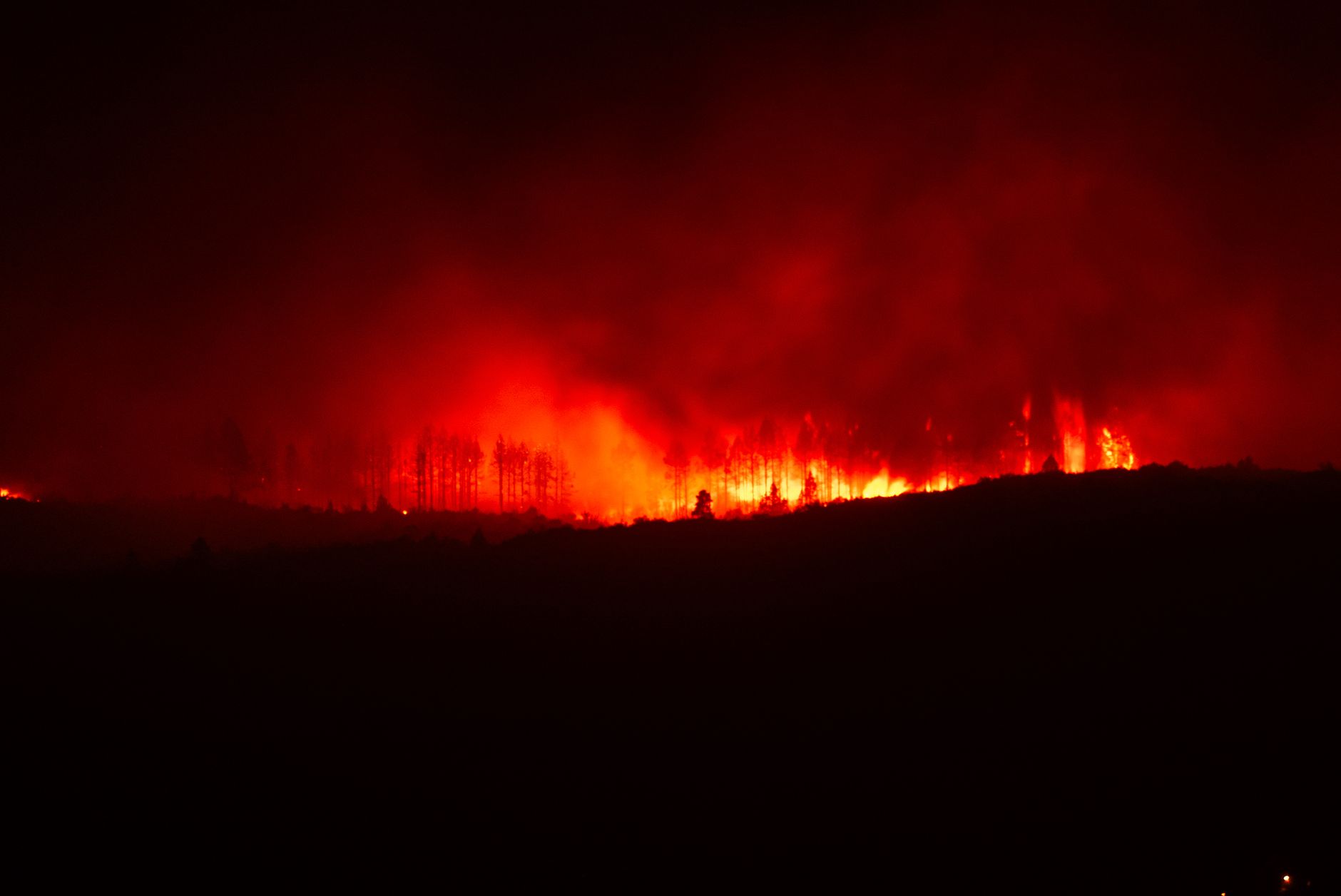
Europe recently experienced a "summer of truth" regarding climate change, as described by Ursula von der Leyen. This period was marked by immense suffering and loss, including 660,000 hectares burned, 12 million tons of crops destroyed, and over 35,000 additional deaths during severe heatwaves. The continent is warming at twice the global average, highlighting the immediate need for robust climate action. In response, proposals are being developed for a new climate resilience framework, a Climate Insurance Alliance to cover disaster losses, and specific plans for heatwaves and water security. These efforts emphasize not just reducing emissions but also adapting to the changes already upon us.
Beyond Europe, tangible progress is being made in climate action through carbon credit initiatives. The Methodological Expert Panel (MEP) is advancing recommendations for clean cooking projects, ensuring robust standards for these sustainable solutions. Simultaneously, international cooperation is strengthening: India and Japan, and separately Costa Rica and Japan, have adopted formal rules for their Joint Crediting Mechanism (JCM) under the Paris Agreement. These frameworks establish clear guidelines for developing projects, monitoring emissions reductions, and transferring carbon credits (ITMOs), promoting collaborative efforts to cut global emissions.
Further emphasizing the changing climate, recent research on Galapagos corals, published in Nature, provides a thousand-year look into Pacific Ocean temperatures. The findings suggest a worrying increase in the frequency of strong El Niño events over the last century, linking them to human-induced warming. While corals act as a "time machine" to understand past climate patterns, the complex interactions between ocean and atmosphere mean future El Niño behavior remains uncertain. This scientific insight underscores the deep impact human activity has on our planet's most influential climate phenomena.
As the urgency mounts, the Intergovernmental Panel on Climate Change (IPCC) is inviting experts to contribute to its Seventh Assessment Report, focusing on the physical science basis of climate change. This call for collaboration comes as a Visual Capitalist report reminds us that floods, storms, and heatwaves are among the deadliest extreme weather events worldwide, reinforcing the critical importance of global, collective climate action to protect lives and secure a sustainable future for all.