Europe's Energy Future Takes a Modular, Low-Carbon Turn

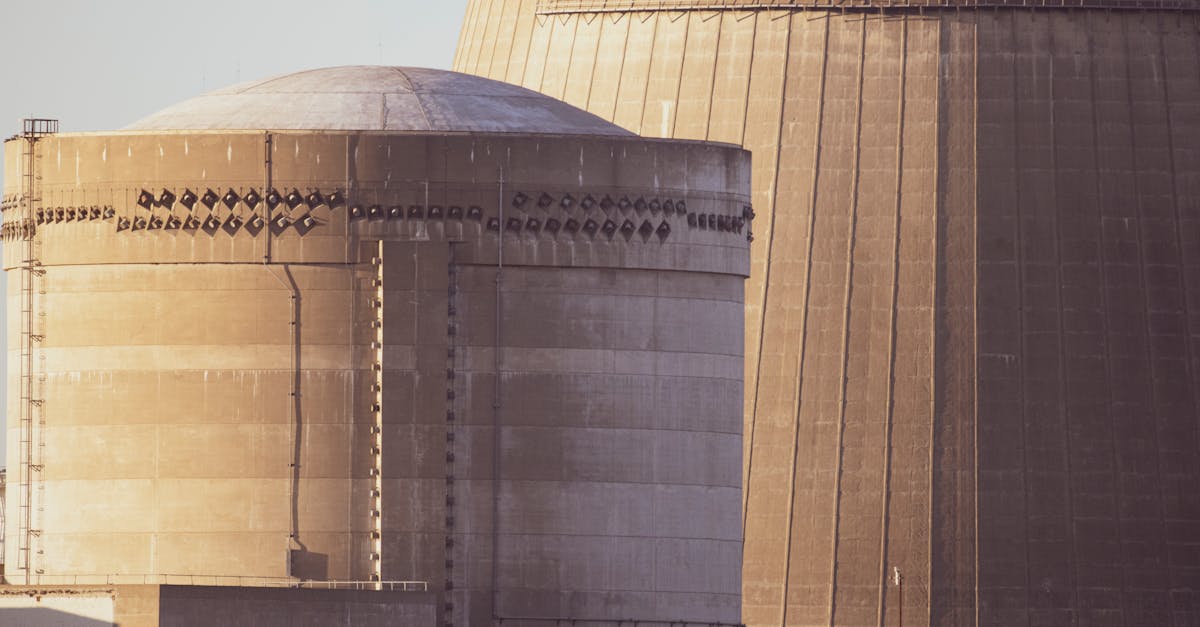
A powerful collaboration involving SGE, GE Vernova, Hitachi, and Samsung C&T is set to revolutionize Europe's energy landscape. These industry leaders have signed an agreement to explore deploying a fleet of BWRX-300 Small Modular Reactors (SMRs) across Central and Eastern Europe and the UK. This initiative aims to provide 4.2 GW of reliable, low-carbon electricity, a crucial step toward meeting climate goals and bolstering energy independence. By adopting advanced nuclear technology, Europe is moving decisively to reduce emissions and ensure a stable power supply for millions.
A new partnership is gearing up to bring advanced nuclear power to Europe, an essential move for a continent seeking both energy security and a cleaner future. SGE, a European SMR developer, has teamed up with GE Vernova, Hitachi, and Samsung C&T to evaluate and deploy GE Vernova Hitachi's BWRX-300 SMR technology across Central and Eastern Europe, and the United Kingdom. This agreement was solidified during the Atlantic Council Nuclear Energy Policy Summit, highlighting international cooperation on SMR deployment, as recognized by the U.S. Department of State.
Small Modular Reactors (SMRs) are a game-changer for electrification and reducing our reliance on fossil fuels. Unlike massive traditional nuclear plants, SMRs are smaller, more flexible, and designed for standardized, repeatable construction, which can speed up deployment. The BWRX-300, a 300 MW-class boiling water reactor, builds on decades of proven technology, offering a safe and reliable path to firm, carbon-free power. Its modular design allows for factory-made components and easier integration into various power grids.
Europe already relies heavily on nuclear power, with countries like France leading the way. The European Union projects a need for significant investment in nuclear energy through 2050, including new SMRs. This growing market is seeing increased competition, but the BWRX-300’s standardized design and potential for fleet deployment offer compelling advantages. For example, Poland has already issued decisions for 26 BWRX-300 reactors, with the first units expected by 2032. Similarly, the UK is a key target, with plans for 14 reactors totaling 4.2 GW, capable of supplying about 11% of the country’s electricity demand.
This multinational partnership brings together reactor technology, nuclear engineering, construction expertise, and European project development. By combining these strengths, the goal is to create a standardized, cross-border fleet of BWRX-300 reactors, strengthening Europe's energy security and strategic autonomy while contributing significantly to global climate action and carbon neutrality. The EU's own SMR strategy, launched in March 2026, aims for the first SMRs to operate in the early 2030s, underscoring the urgency and strategic importance of these sustainable energy solutions. The success of these initiatives could unlock substantial demand for advanced nuclear technologies and services, moving us closer to a zero-emission power grid.