Europe's EV Ambition: What's the Hidden Cost for Drivers?

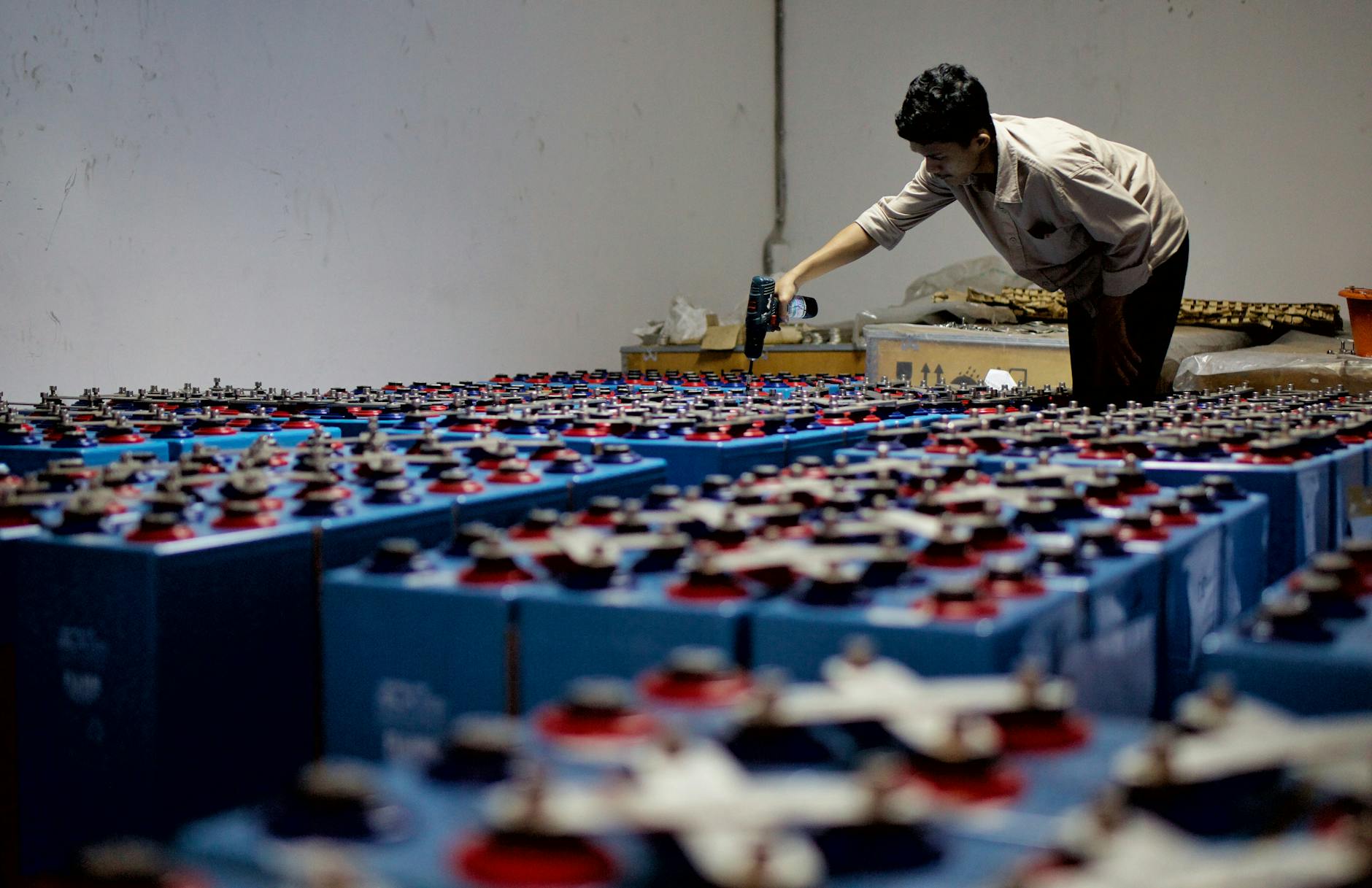
Policymakers in Europe are pushing for electric vehicle (EV) batteries to be made locally, a move aimed at securing jobs and reducing reliance on foreign supply chains. However, this strategy could significantly increase the cost of EVs for buyers, potentially adding thousands of euros to the price of a typical electric car. According to a recent policy brief from Bruegel, this could ultimately slow the vital transition to cleaner transportation, making it harder for consumers to embrace sustainable alternatives and achieve climate targets.
The push for "Made in Europe" batteries comes with a potential price tag for consumers. Requiring battery cells to be produced within the EU could add up to €2,100 to the cost of an EV with a 60-kWh battery. This increase stems from higher production costs for European-made cells, estimated to be €50 to €85 more per kilowatt-hour. Additional costs, like a proposed low-carbon steel requirement, could add another €200.
Such price hikes, especially for entry-level models, could unfortunately deter potential buyers, slowing the crucial shift away from fossil fuels and hindering Europe’s climate goals. While the intention is to protect Europe's automotive sector, which employs around 14 million people, the question remains whether these costs will be passed directly to the consumer, making electric vehicles less accessible.
European carmakers face stiff competition, especially from Chinese brands offering advanced, gadget-filled EVs. While Europe has innovative models, the market is changing fast. Establishing local battery production is critical for the future of electrification, but it’s proven challenging, with projects facing difficulties and many European factories still relying on expertise and equipment from Asia.
To balance industry protection with consumer affordability, Bruegel suggests temporary agreements with China to limit EV imports. This would give European carmakers time to innovate and reduce their own costs. However, even with fewer imports, prices could still rise due to reduced supply. Ultimately, the goal is to make cleaner, electric transport accessible to all. Sustainable solutions, like EVs, are vital for our future, and ensuring their affordability is key to accelerating this necessary transition.
While protecting local industries is understandable, the long-term benefit of widespread EV adoption for the planet is immense. Policies must strike a balance, ensuring that European carmakers can compete without making sustainable transportation unaffordable for the average consumer. After all, the global fight against climate change depends on accessible, affordable electric solutions.