Europe's Farms Hit Major Climate Milestone: See What's Next

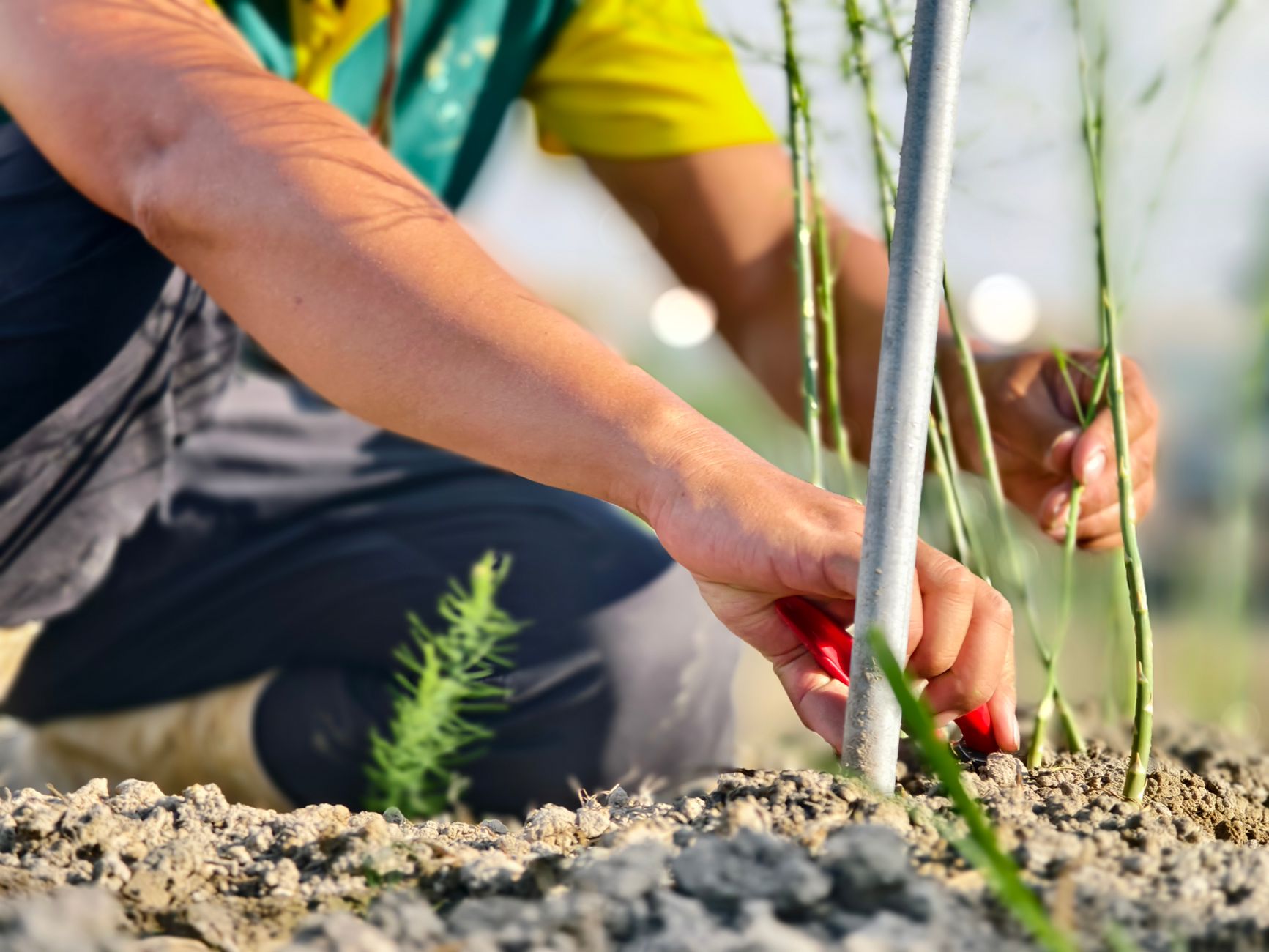
Europe has marked a significant step forward in its fight against climate change and widespread soil degradation. The European Soil Revitalization Programme, covering farms in France and Belgium, has issued the world's first carbon credits under the rigorous Gold Standard Soil Organic Carbon (SOC) Framework Methodology. This milestone, announced by South Pole, Gaïago, and Gold Standard, addresses the alarming statistic that up to 70% of EU soils are unhealthy, costing billions annually. By rewarding farmers for adopting regenerative practices, this initiative promises to boost soil health, enhance biodiversity, and capture atmospheric carbon, paving the way for a more sustainable agricultural future across the continent.
The European Soil Revitalization Programme has achieved a global first, issuing Gold Standard-certified soil carbon credits from farms in France and Belgium. This pioneering effort, involving 6,000 verified hectares initially, is part of a larger project spanning 727 farms, with the potential to cover over 39,000 hectares and remove an estimated 264,174 tonnes of CO₂ equivalent during its first crediting period. This vital step comes as Europe increasingly focuses on revitalizing its soil health, crucial for climate action.
These credits are the first worldwide under Gold Standard’s Soil Organic Carbon Framework Methodology, designed to measure improvements in soil carbon and reductions in greenhouse gas emissions from better farming practices. The framework allows for various measurement approaches, ensuring a robust and credible way to track environmental benefits. This commitment to stringent standards helps unlock essential funding for sustainable land management.
Healthy soil is a cornerstone of a stable environment. The European Commission reports that up to 70% of EU soils are unhealthy, leading to over €50 billion in annual costs. Soil degradation, particularly the loss of organic carbon, weakens its ability to retain water, support crops, and protect biodiversity. Regenerative farming practices not only store carbon but also improve farm resilience, making this initiative a win-win for both farmers and the environment.
Changing farming methods can be costly for farmers. Carbon finance provides a crucial income stream, helping offset these upfront expenses and encouraging the adoption of sustainable techniques like reduced tillage and year-round cover crops. The European Soil Revitalization Programme specifically aims to boost soil structure, fertility, and water retention, all while increasing carbon stocks.
Accurately measuring soil carbon is complex due to natural variations. Gold Standard has implemented rigorous requirements for additionality, permanence, and measurement to ensure the integrity of these credits. These guidelines, including specific protocols for using soil organic carbon models, ensure consistency and reliability, which is vital as more agricultural projects seek carbon market certification.
This initiative aligns with Europe's broader push for carbon farming. In 2026, the European Commission adopted new certification methodologies under the Carbon Removals and Carbon Farming Regulation. These rules, covering practices like agroforestry and peatland restoration, highlight the EU's commitment to using agriculture as a tool for carbon removal, biodiversity protection, and enhanced climate resilience. Such frameworks foster an environment where regenerative farming can thrive.
Soil carbon is emerging as a premium segment in the voluntary carbon market. Recent deals, such as Microsoft's agreement to purchase 2.85 million soil carbon removal credits from Indigo Carbon, indicate strong demand and higher prices for these high-quality removals. For example, South Pole facilitated the sale of 29,000 Verra-certified soil carbon credits for approximately €50 per tonne, significantly above the average market price, as shown in Sylvera's report.
While Europe’s soil carbon market is still developing, this first Gold Standard issuance marks a critical achievement. It demonstrates that large-scale agricultural projects can successfully certify and issue soil carbon credits under robust frameworks. The next challenge is scaling these efforts across more farms, proving that soil carbon gains are real, measurable, and lasting. If farmers can combine regenerative practices with credible carbon revenue, soil could become an increasingly important part of Europe's climate solution, helping the continent achieve its goal of healthy soils by 2050.