Europe's Ocean Health: Just 1% of Boats Are Causing Huge Problems

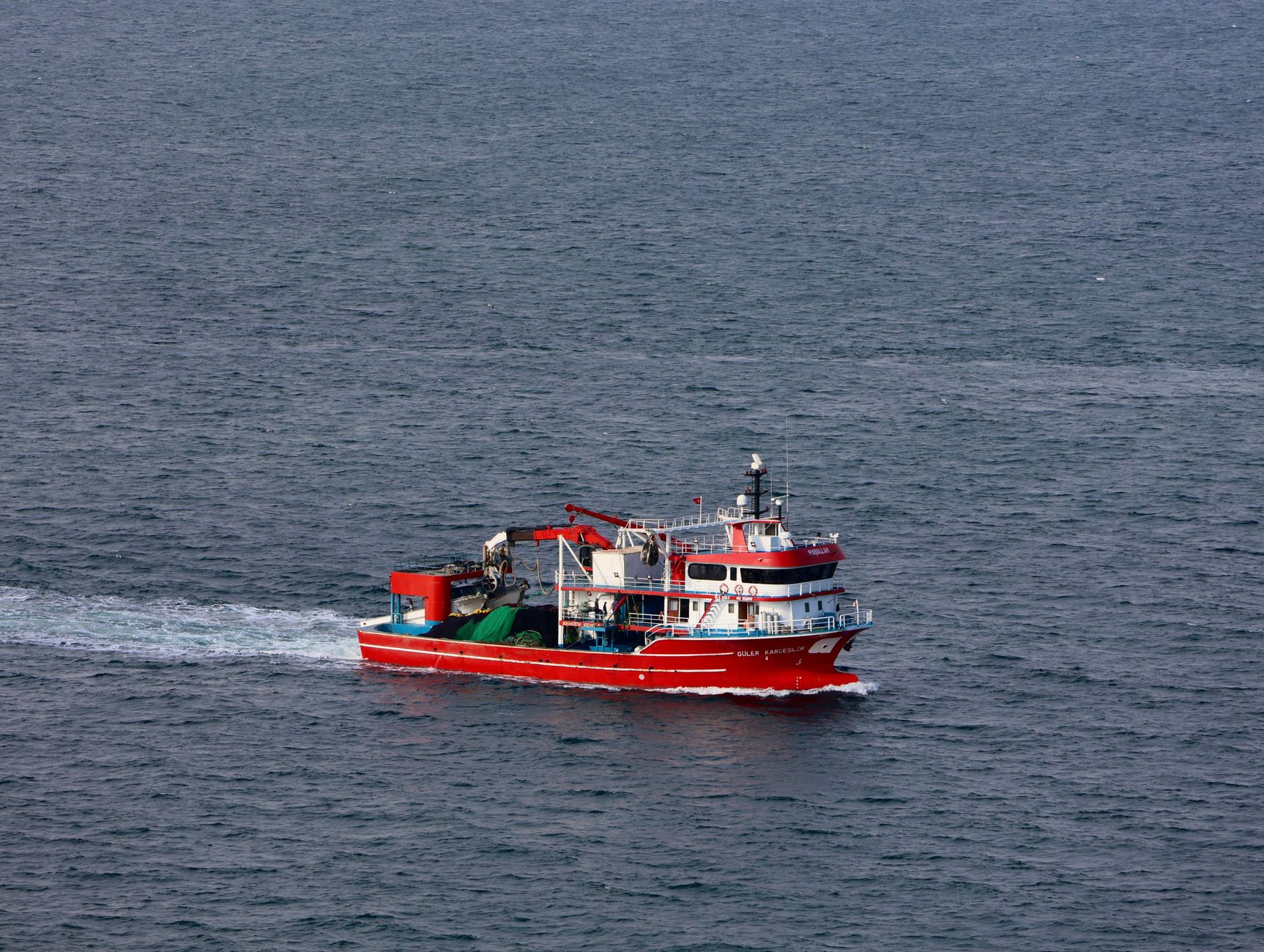
A new report from French non-profit BLOOM reveals that a tiny fraction of Europe's fishing fleet, just 638 large vessels, is responsible for the majority of damage to ocean health and marine life. These "mega-industrial" trawlers, often over 108 feet long, disproportionately deplete fish stocks and harm ecosystems. As the European Union prepares to allocate billions in fisheries funding, environmentalists are calling for urgent action to dismantle these destructive ships and safeguard our precious marine environments.
A recent study by the French non-profit BLOOM highlights a critical issue in European fisheries: a very small number of massive fishing vessels are causing an outsized amount of harm. Out of 60,000 European-flagged fishing boats, only 638 — just over 1% of the fleet — are responsible for 55% of the total fish caught by European vessels. These enormous ships, often described as floating factories, use highly impactful towed gear like bottom trawling nets, which indiscriminately catch marine life and destroy crucial seabed habitats. This destructive practice is creating what experts call "counter-fishing," severely impacting the ocean's ability to recover and sustain itself.
The environmental consequences are stark: bottom trawling scrapes the seabed, wiping out habitats essential for animals to feed, sleep, and reproduce, turning vibrant ocean floors into rubble. Beyond ecological damage, these operations threaten food security and cost taxpayers significantly. The ships often venture far from European shores, sometimes thousands of miles, fishing in other nations' coastal waters—often for the burgeoning fishmeal and fish oil industry rather than for human consumption, a practice described as "absolutely pillaging" vital resources.
While industry groups, such as the Pelagic Freezer Trawler Association website, argue that their large vessels are efficient and sustainable, environmentalists and small-scale fishers disagree. The BLOOM report report points out the economic and social injustice: small-scale fishing, for example, generates ten times more jobs per pound of fish caught in France than these industrial giants. Yet, historically, industrial fleets have received the lion's share of European fisheries funding, leaving small-scale fishers struggling and feeling hopeless, as detailed in reports like Wasted billions and TransiPêche Bilan France.
With the European Union determining its nearly $8 billion fisheries budget for 2028-2034, there’s a strong call to action. Environmental groups advocate for allocating $3 billion to dismantle these mega-trawlers by 2035 and re-purposing them, while also urging an equal split of remaining funds between ocean conservation and supporting sustainable small-scale fisheries. Establishing a maximum vessel length could help redistribute fishing quotas more fairly to coastal fishers, revitalizing ocean health and increasing fish catches in the long run. This move is crucial for protecting marine ecosystems and ensuring a sustainable future for fishing communities.