Europe's Rivers Unveil History as Climate Crisis Deepens

Europe is grappling with a severe heat wave, leading to unprecedented low water levels in vital rivers like the Danube. This climate crisis is directly impacting energy production, pushing nuclear power plants to the brink of shutdown and intensifying devastating wildfires across the continent. The extreme conditions serve as a stark reminder of our planet's accelerating warming and the urgent need for sustainable solutions to protect both natural resources and human lives.
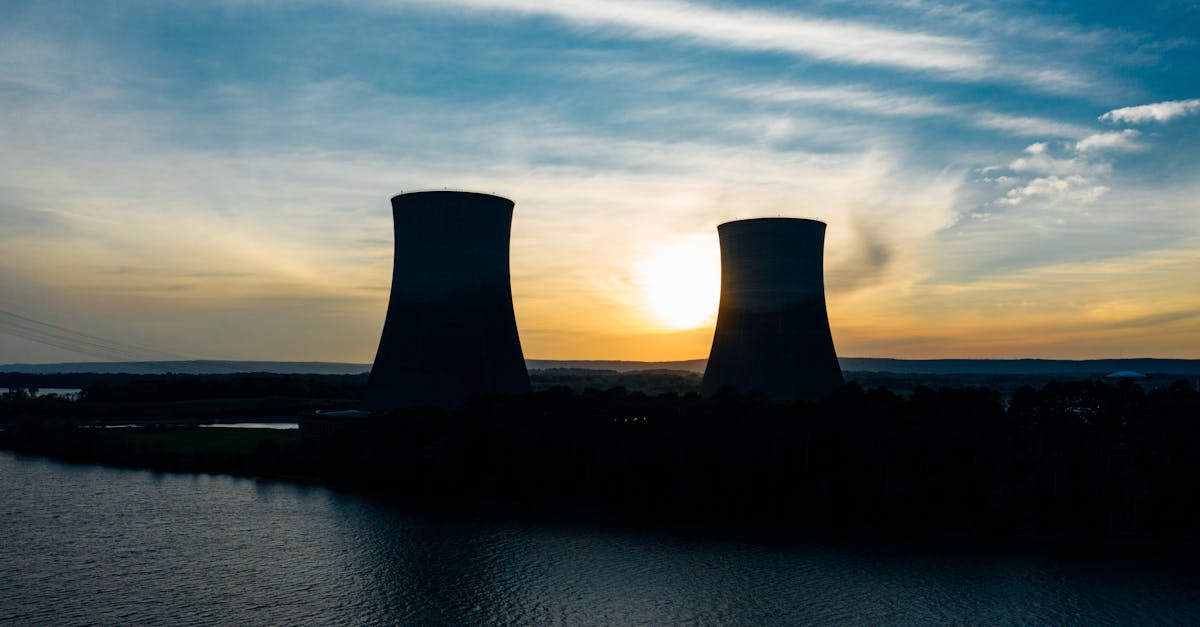
The relentless heat has brought the Danube River to historic lows, causing critical issues for energy infrastructure. Hungary's only nuclear power plant, Paks, narrowly avoided a forced shutdown as its cooling water supply dwindled. Prime Minister Péter Magyar stated the plant was millimeters away from closure. Similarly, Romania was forced to close two nuclear reactors due to low water levels, and even used controlled explosions in the river to redirect cooling water for its sole operational plant, as captured by AFP. While Bulgaria's nuclear plant has not yet reduced capacity, the low Danube has already stranded a cruise ship, evacuating nearly 200 tourists near Vidin. Beyond energy, the receding waters have even revealed long-submerged World War II German warships in Serbia, a dramatic visual of the river's plight.
Meanwhile, weeks of scorching temperatures have created ideal conditions for wildfires, devastating regions across Europe. Greece has been particularly hard hit, with massive blazes burning near Athens. Over 500 firefighters, aided by helicopters, are battling these unpredictable fires, with conditions constantly changing. Tragically, multiple firefighters and crew members have lost their lives, as reported by the Greek fire service. In France, while many fires are now under control, maps still showed active hotspots in the southeast. Unexpectedly, these fires have unearthed unexploded World War II munitions, requiring bomb disposal experts, as noted by the mayor of Le Porge.
The widespread heat also poses serious health risks. Italy has placed 25 of its 27 major cities on "red alert," with all expected to follow suit by Thursday, according to the Italian Health Ministry. The UK's Health Security Agency issued similar warnings for England, emphasizing risks for vulnerable groups. Record high overnight temperatures were also reported in the Czech Republic by local media, highlighting the broad and relentless nature of this extreme weather. These events underscore the critical need for global climate action and investment in resilient, sustainable infrastructure to protect our future.