Europe's Summer Shocks: More Than Just Heat Broke Records

Europe faced a summer of unprecedented climate extremes in 2026, with over half the continent enduring dangerous heat stress levels, as reported by the European Union’s Copernicus Climate Change Service. This wasn't just about high temperatures; the period from May to August brought record-low flows in major rivers and significant losses of vital food crops. Experts confirm that human-caused global warming intensified these events, making them hotter and more probable. The cascading impacts highlight a critical need for urgent and coordinated climate action to adapt to a rapidly changing world.
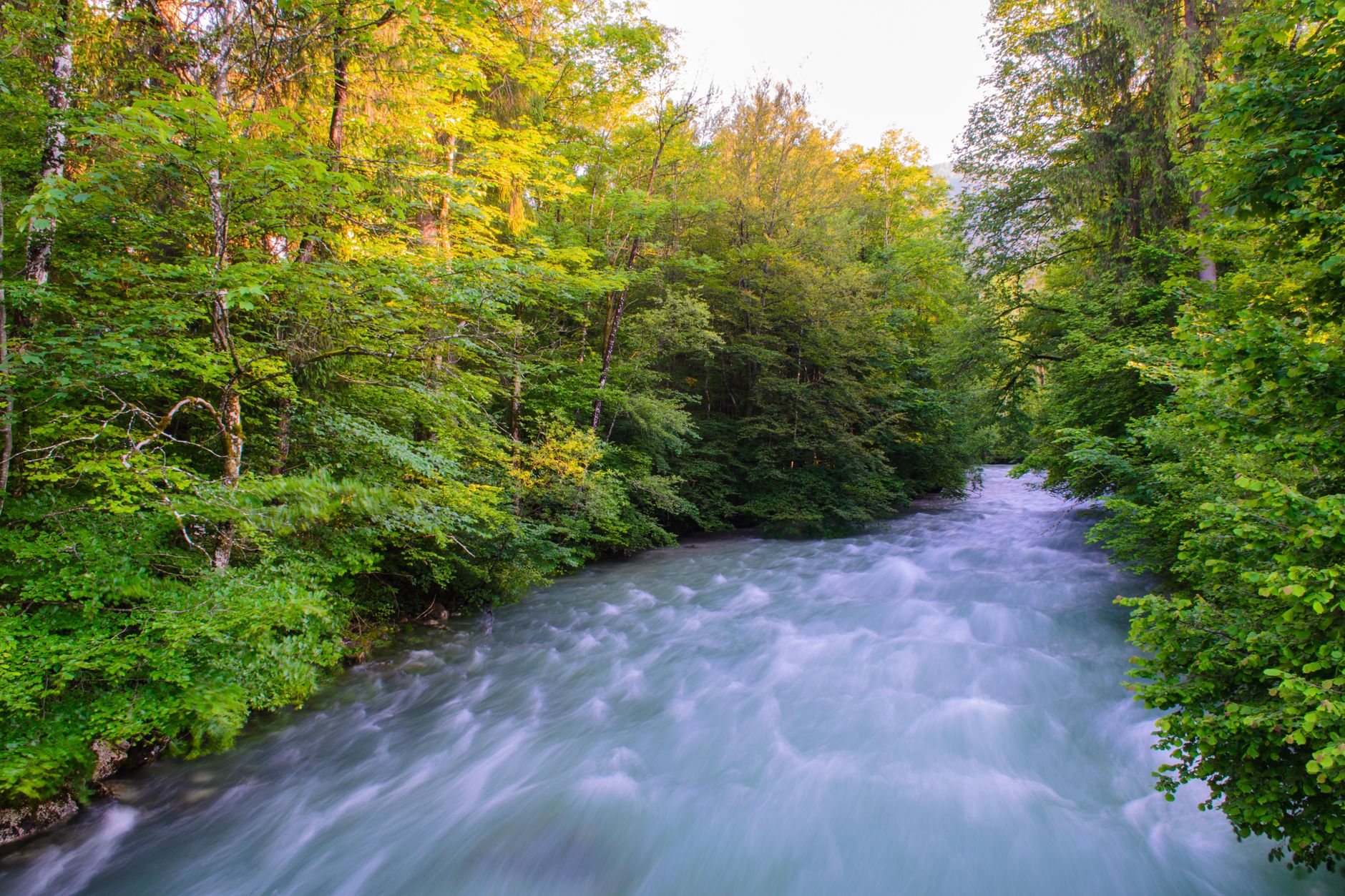
Last summer, Europe experienced a severe climate crisis, where the feeling of intense heat, humidity, and sun was widespread, making it difficult for the body to cool down. In fact, over half of the continent endured these dangerous conditions, with some areas feeling like 100 degrees Fahrenheit or more. This extreme heat led to historically low water levels in many of Europe’s great rivers, from the Loire to the Danube, impacting transportation, ecosystems, and water supplies.
The prolonged heat also caused significant damage to agriculture, leading to widespread losses of important food crops like grain. Scientists confirm that this isn't just bad weather; human-caused global warming made these heatwaves much more intense and likely than in the past, pushing temperatures nearly 4 degrees Fahrenheit higher in some instances. These findings underscore the direct link between our actions and the worsening climate challenges we face.
Experts at the Potsdam Institute for Climate Impact Research warn that Europe is falling behind in preparing for these accelerating changes. The struggles with low river flows disrupting transport and uncontrolled wildfires raging in places like France show a clear gap in how we're adapting. While some efforts are underway, they are often fragmented and not quick enough to keep pace with the rapidly advancing climate crisis. This summer serves as a powerful reminder of the urgent need for widespread, coordinated sustainability efforts and collective climate action to protect our planet and communities.