Extinct Giant's Egg Returns Home: A Glimmer of What's Next

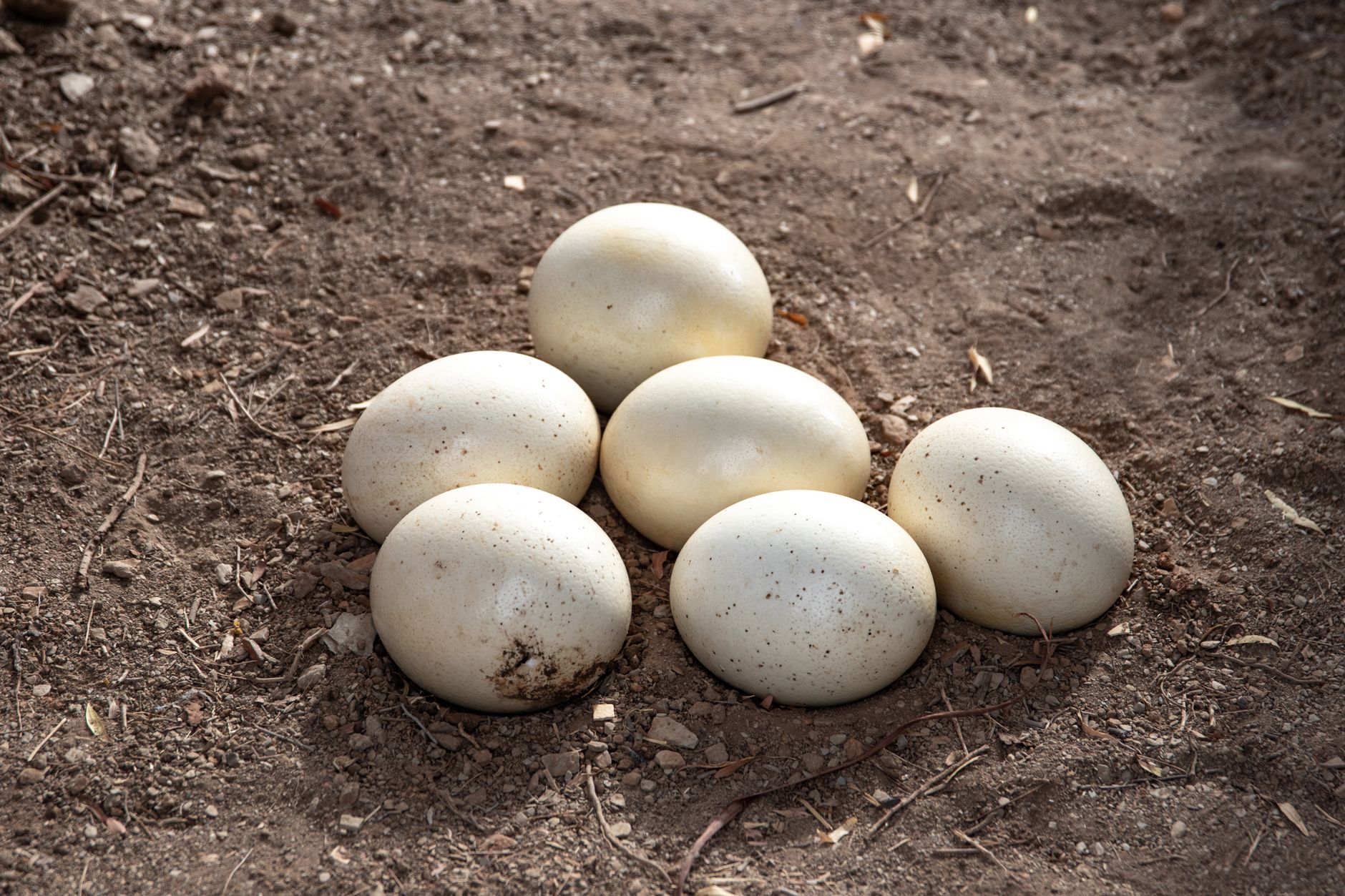
Biotech company Colossal Biosciences has acquired a rare egg of the extinct moa, a massive flightless bird, and is returning it to its native New Zealand. This significant move is part of Colossal's ambitious "de-extinction" project, aiming to bring species like the moa back to life. The egg, a vital scientific resource, symbolizes a potential reversal of biodiversity loss and holds deep cultural importance for the Maori people, who once lived alongside these majestic birds. The initiative highlights a bold effort to restore ecological balance and cultural heritage through advanced science.
Colossal Biosciences, a firm dedicated to resurrecting extinct species, recently purchased a rare moa egg at auction for about $14,000. This egg, one of the few nearly complete moa shells known, is now being returned to New Zealand, its rightful home. It will be entrusted to Professor Te Maire Tau, a Maori leader in Canterbury, underscoring Colossal's commitment to Indigenous guidance in their projects.
The moa, a towering bird that stood up to 12 feet tall and weighed 500 pounds, vanished about 600 years ago, as detailed by Colossal. Colossal aims to bring the moa back by the early 2030s, using advanced gene editing. This effort is not just a scientific marvel but also an opportunity to mend some of the damage caused by the loss of Earth's diverse species, restoring ecosystems and cultural connections.
The egg itself is a treasure, offering insights into moa nesting habits through its structure and ancient DNA. Film director Peter Jackson, an investor in Colossal, expressed the profound impact of the moa's loss on New Zealanders, as reported by Bloomberg News, highlighting the company's generous act of returning the egg. Paul Scofield from Canterbury Museum, which advises the Ngai Tahu Research Center on the project, sees the project as a "grand experiment" with opportunities for Maori to reconnect with these birds and foster economic growth. This pioneering work shows how technology can help us re-evaluate our role in protecting and even restoring our planet's natural heritage.