Extreme Rains: Six of Top 10 Events Happened in Just Five Years. Why?

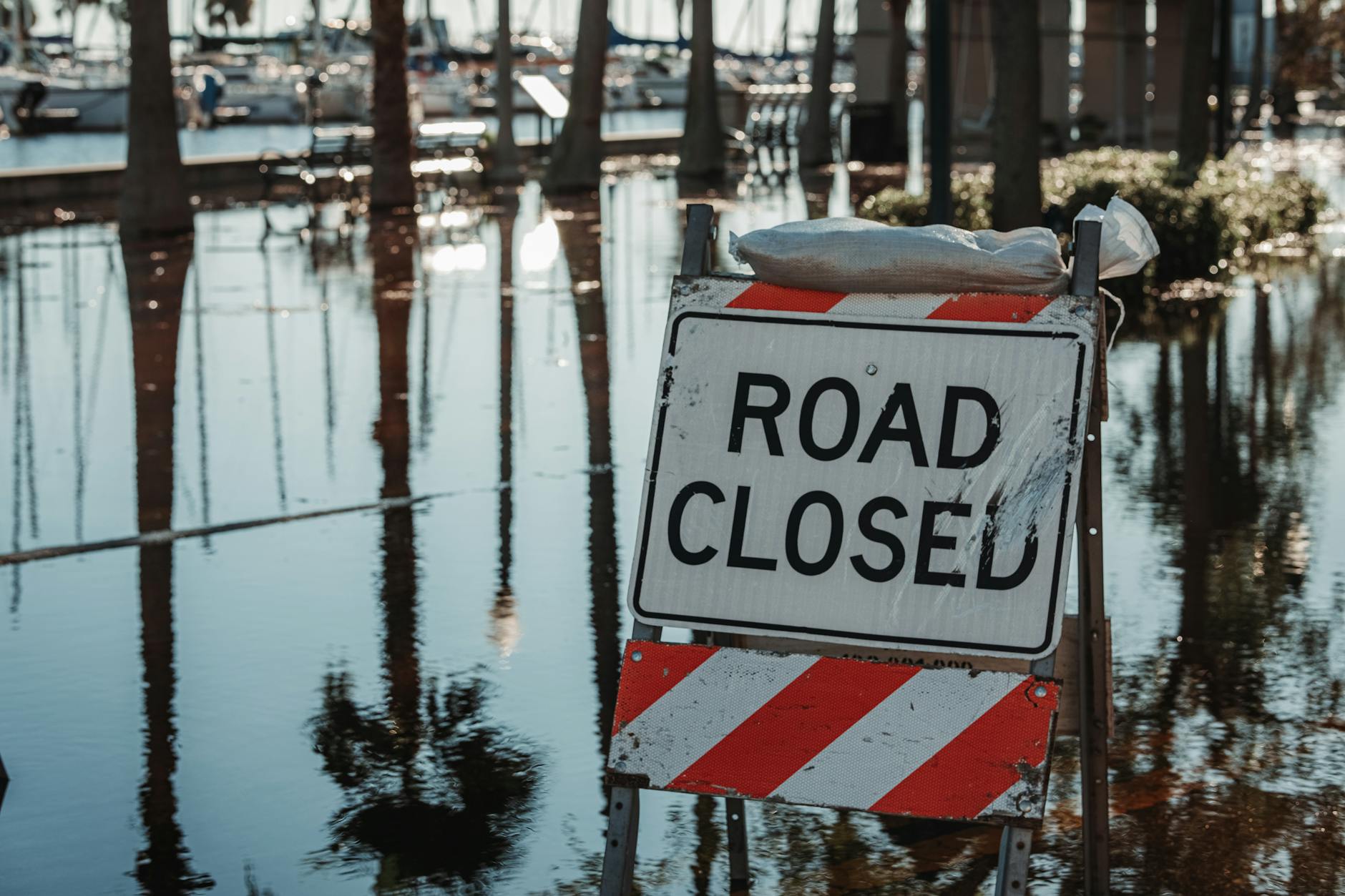
The U.S. is experiencing a alarming rise in dangerous, widespread heavy rainfall events, costing billions and claiming lives. Remarkably, six of the top ten highest-volume precipitation events in the contiguous U.S. since 1949 occurred between 2016 and 2020, with another in 2024. This drastic increase is not by chance; studies confirm a clear link to human-caused climate change, intensifying the urgency for global climate action to protect communities from future devastation.
Extreme rainfall from thunderstorms and tropical storms poses a significant and growing threat across the U.S. These aren't just localized downpours, but massive volumes of water dumped over large areas, leading to catastrophic floods and immense damage.
Over the last 77 years, the eleven most extreme rainfall events in the contiguous U.S. each caused at least $2 billion in damage. Hurricane Harvey in 2017, for instance, delivered nearly 25 inches of rain over a vast area of Texas, resulting in a staggering $165 billion in damages, making it one of the costliest weather disasters ever. What's particularly striking is the recent frequency: six of these top ten events happened within a five-year window from 2016 to 2020, with Hurricane Helene in 2024 claiming the eleventh spot. This surge strongly indicates that our changing climate is drastically increasing the likelihood of such extreme rain.
Scientific research confirms this connection. Studies on four of these recent events—including Harvey, the 2016 Louisiana tropical disturbance, Hurricane Sally, and Hurricane Florence—have shown that human-caused climate change made their heavy rains more likely or more intense. For example, researchers determined Hurricane Helene's rainfall was about 10% heavier due to climate change, and certain precipitation totals were made 40% to 70% more likely. Many of these recent intense storms were slow-moving tropical systems, a trend that some evidence suggests is also linked to climate change, though more research is needed to fully understand this connection, as noted in a 2020 paper.
The implications are clear and urgent. As the world continues to burn fossil fuels, these devastating rainfall events are projected to become even more frequent and intense. Understanding this link to climate change is crucial. It underscores the vital importance of environmental protection, adopting sustainable solutions, and collective climate action to mitigate the impacts and safeguard our communities from the escalating dangers of a warming world.