Failed EV Company Now Builds Dancing Robots. Can It Thrive?

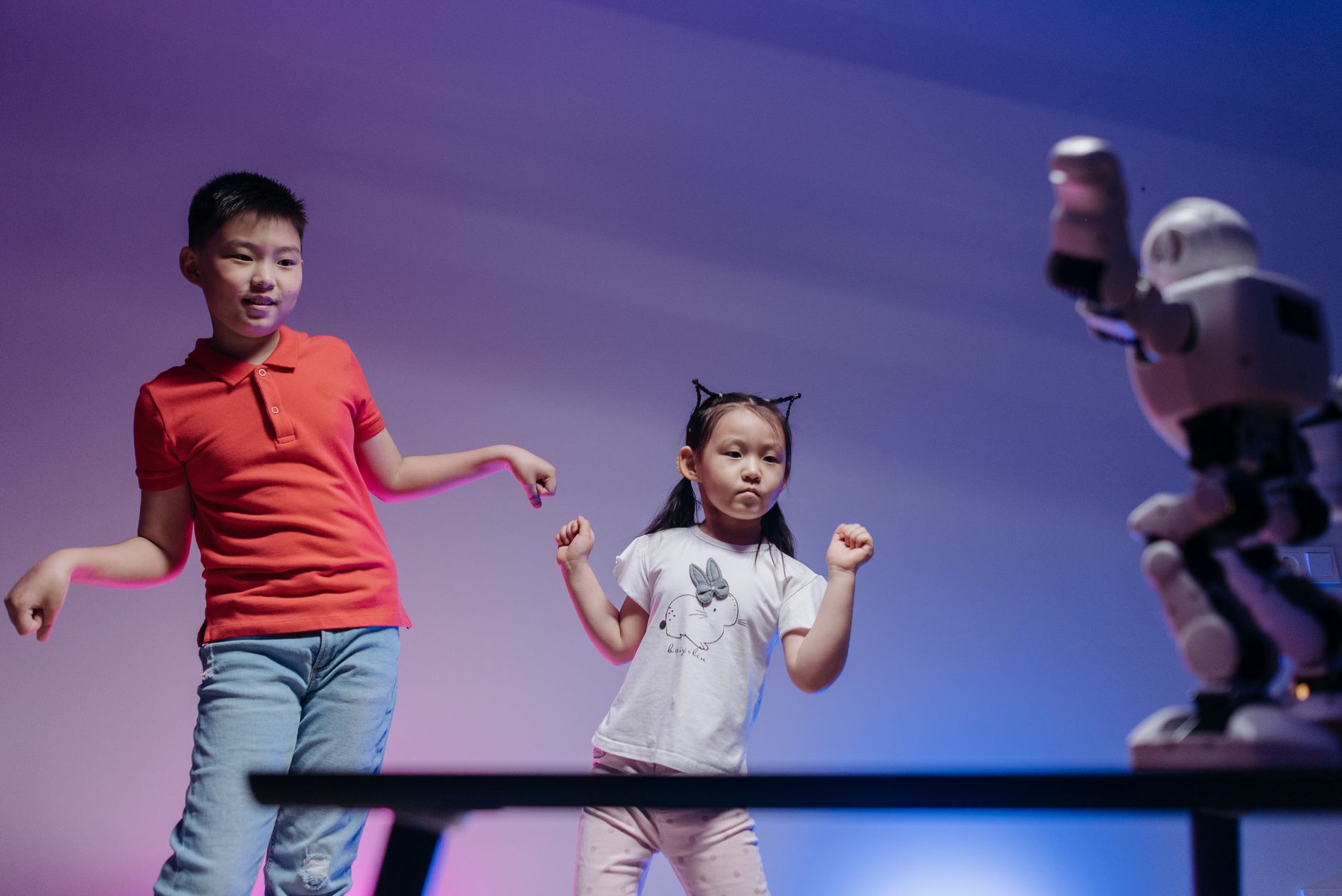
Faraday Future, once hailed as a potential rival to Tesla, is taking a dramatic new direction after its electric vehicle ambitions faltered. The El Segundo-based company, which struggled to sell its pricey $300,000 EVs, is now focusing on developing and selling humanoid robots. This strategic pivot aims to leverage its existing infrastructure and expertise in a rapidly evolving tech landscape, hoping to find success where its initial electrification efforts fell short. The move highlights the dynamic nature of innovation, even as the company faces skepticism about its ability to redefine its narrative.
After pouring billions into becoming a leading electric vehicle manufacturer, Faraday Future has shifted gears entirely. The company, which only sold a handful of its luxury EVs between 2023 and 2025, has seen its stock price drop significantly and recently underwent a reverse stock split to maintain its Nasdaq listing. Now, they're channeling their efforts into robotics, showcasing AI-powered humanoids capable of everything from dancing to performing complex tasks.
At their California headquarters, robots demonstrated impressive moves to music, hinting at their potential. Chris Chen, Faraday Future’s co-chief executive of robotics, explained that these bots, assembled in California with parts from China, are designed for diverse roles. They aim to be useful in education, housework, warehouse operations, and even as companions or customer service agents.
While the company has already sold around 400 robot units, with a goal of 2,000 this year, analysts remain cautious. Competitors like Tesla are also exploring humanoid robotics, but Faraday Future believes its ready-for-delivery models give it an edge. Their current lineup includes the full-sized All-New Futurist starting at $89,900, the miniature Master at $37,990, and the FX Navi, a four-legged coding bot for students at $1,990.
The recent U.S. ban on certain Chinese robot imports also offers Faraday Future an opportunity to boost its “Built in USA” initiative, despite still importing parts. The company acknowledges concerns about robots replacing human jobs but insists its goal is to enhance human efficiency and create new opportunities, rather than eliminate existing ones. This bold pivot marks a significant turning point for a company determined to find its place in the high-tech world.