Families Lose Power During Florida's Hottest Summer. Why?

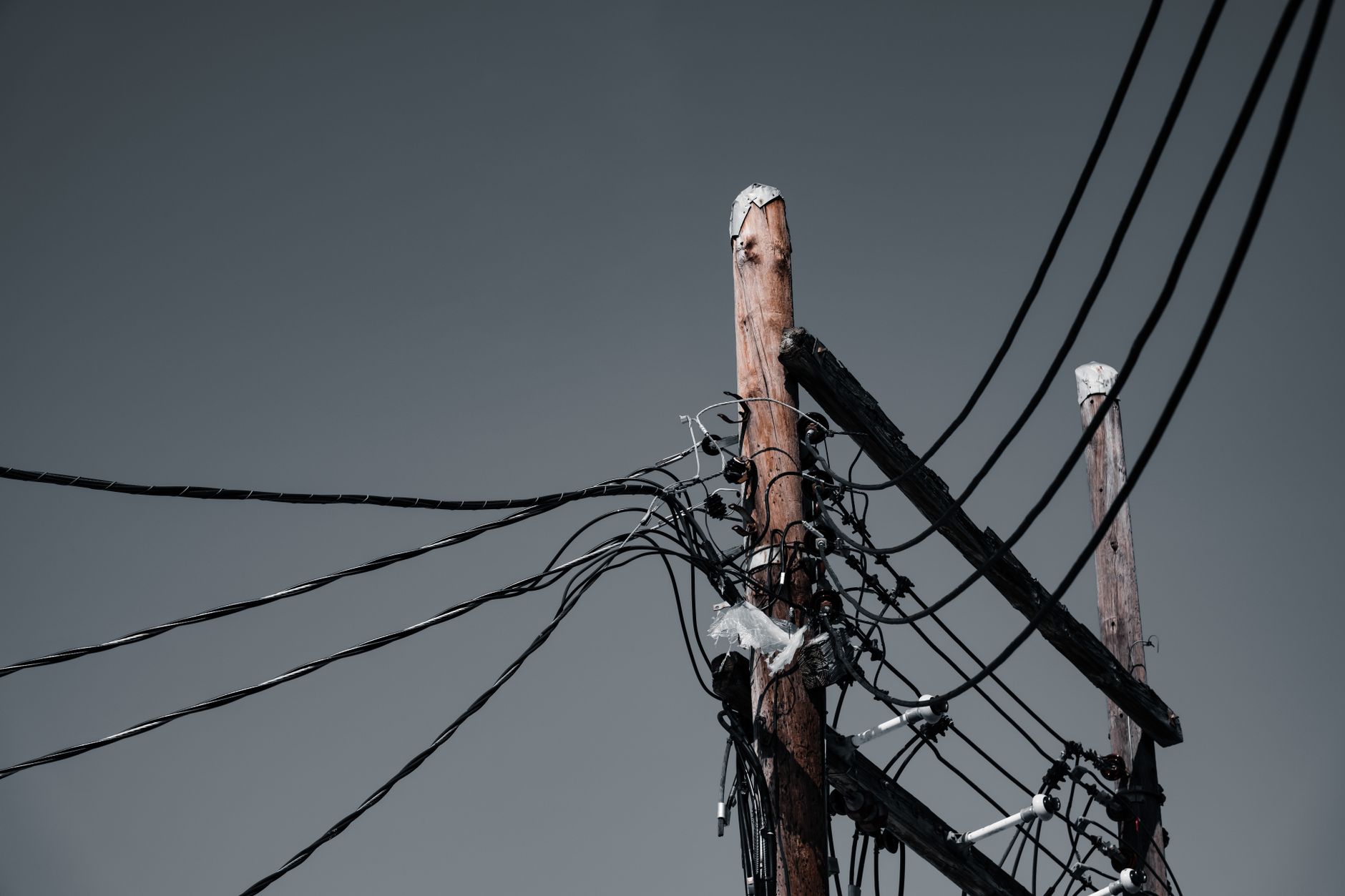
In Homestead, Florida, hundreds of families are facing a dire situation this summer as their electricity is disconnected amidst record-breaking heat. A new city policy to aggressively collect overdue bills has led to a significant increase in shutoffs, impacting working-class and largely immigrant communities. With Florida lacking statewide protections against disconnections during extreme heat, vulnerable residents are left struggling to stay cool and safe as climate change drives hotter summers, exacerbating energy insecurity and highlighting the urgent need for sustainable solutions and support.
Mirella Estrada, a 51-year-old farmworker in Homestead, Florida, knows the fear of the lights going out during a sweltering July night. She and her daughters were forced to sleep in their car after their power was cut, unable to afford a hotel or keep up with their climbing electricity debt. This isn't an isolated incident; hundreds of families in Homestead's farmworker neighborhoods have lost power this summer as temperatures soar.
The city has launched an aggressive new policy to collect overdue electricity bills, a stark shift from the more lenient approach taken since the COVID-19 pandemic. In 2025, only 68 disconnections were recorded, but this year, over 1,300 customers have faced shutoffs between March and mid-August alone. This crackdown comes as Miami-Dade County experiences a record-breaking summer, with 37 heat advisories and one extreme heat warning issued.
Alarmingly, Florida is one of the few states that lacks statewide protections against utility disconnections during extreme heat, leaving vulnerable communities like Homestead—identified as one of South Florida’s most heat-vulnerable areas—at severe risk. As summers become hotter due to climate change, access to cooling is not just a comfort but a critical health necessity.
After years of a soft moratorium, household electricity debt ballooned as prices outpaced inflation. The city of Homestead claims these disconnections are necessary to address over $8 million in outstanding bills and maintain vital energy infrastructure. While payment assistance programs exist, stringent requirements, such as notarized documents of crisis, often make it difficult for those most in need to receive help.
The situation is further complicated by increased U.S. Immigration and Customs Enforcement (ICE) activity in Homestead, a community where about 40 percent of the population is foreign-born. Local advocates report that heightened enforcement has led to fear and lost income for many immigrant families, making it even harder to pay bills and stay safe. Families are resorting to minimal air conditioning use, struggling to balance basic needs with rising utility costs.
Nationally, one in six households is behind on electricity bills, reflecting a pervasive issue of energy insecurity. This crisis in Homestead underscores the critical importance of ensuring affordable and reliable access to power, especially as climate change intensifies heat waves. Without collective action and stronger protections, vulnerable communities will continue to bear the brunt of rising temperatures and economic strain.